
Blooming
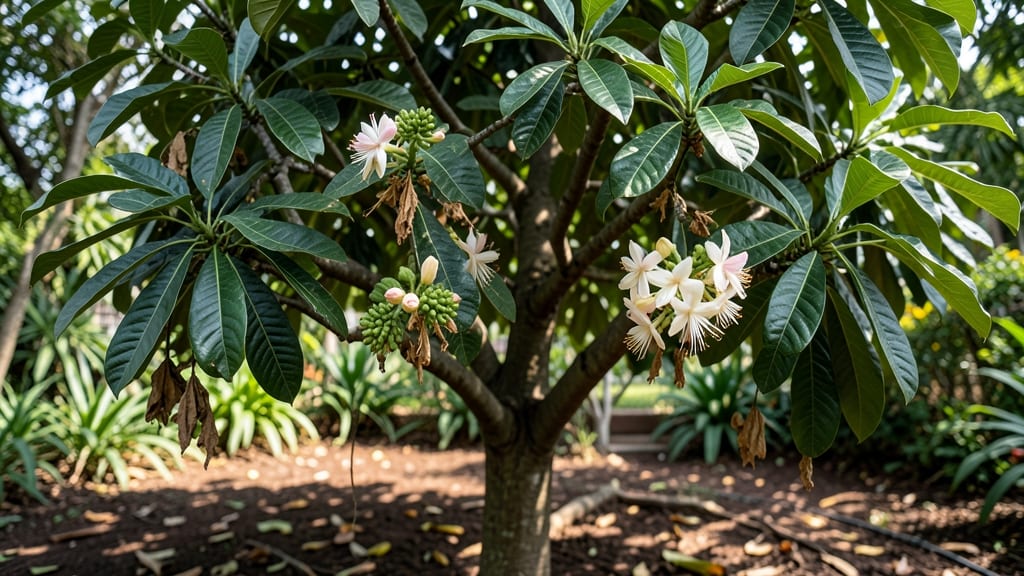
Understanding the mango tree flowering stages is the key to unlocking a bountiful harvest 🥭—each phase from bud formation to pollination demands your attention.
Watching your mango tree bloom is one of the most exciting phases of cultivation—but many growers struggle to recognize the subtle differences between bud formation, flowering, and pollination stages. Missing these key moments can mean fewer (or no) fruit yields, even with a healthy tree.
In tropical and subtropical climates like Florida or Hawaii, where mango trees thrive year-round, the right conditions—warmth, humidity, and sunlight—make all the difference. Without them, your tree might produce stunning flowers but fail to set fruit, leaving you wondering what went wrong.
Here’s what you’ll discover: a step-by-step guide to identifying each flowering stage, the ideal care to support pollination, and how to troubleshoot common issues like poor fruit set. Let’s turn those blossoms into sweet, ripe mangoes.
Mango tree flowering stages: step-by-step visual breakdown of bud development
Understanding the 5 distinct flowering stages of your mango tree is essential for predicting fruit production and addressing potential issues early. Each stage comes with unique visual cues and environmental triggers that can vary between tropical and subtropical climates.
For example, mango trees in Florida may bloom earlier than those in Hawaii due to cooler winter temperatures.
Climate plays a crucial role in triggering these stages. Ideal conditions include 70-85°F temperatures, 60-80% humidity, and consistent sunlight. Subtropical regions often experience delayed flowering if winter temperatures drop below 50°F, while tropical trees thrive year-round with minimal seasonal variation.
Now, let’s break down each stage with clear visual markers and care tips to help you identify them accurately in your own garden.
- 1 Panicle Initiation: Tiny green flower buds appear as small clusters (panicles) along the branches. These buds are barely visible to the naked eye but can be spotted with a magnifying glass. Climate trigger: Short days and cooler temps (60-70°F) stimulate this stage in subtropical regions.
- 2 Bud Swelling: Buds grow to pea-sized (0.5 inch) and turn a pale yellow-green. The panicles begin to elongate slightly, and you may notice a slight waxy coating. Humidity tip: Maintain 70%+ humidity to prevent bud drop in dry climates.
- 3 Flower Emergence: Buds burst open into tiny pink or white flowers with yellow centers. Each panicle holds 100-1,000 flowers, and a sweet fragrance fills the air. Pollination window: Bees and wind must act within 24-48 hours for successful fertilization.
- 4 Full Bloom: Flowers reach peak visibility, covering branches in a dense, fragrant canopy. Petals fall naturally, leaving behind tiny green fruitlets. Temperature alert: Avoid spraying water during this stage to prevent flower drop.
- 5 Post-Flowering: Unfertilized flowers drop, while fertilized fruitlets (size of a pea) remain. Prune excessive fruit clusters to 1-2 per panicle to ensure larger mangoes. Fertilizer tip: Apply potassium-rich fertilizer to support fruit development.
In tropical climates like Thailand or Puerto Rico, these stages may overlap year-round, while subtropical regions like Florida or California see a distinct late winter/early spring bloom. For example, the Alphonso variety typically flowers in February-March in India, while Tommy Atkins in Florida may bloom as early as January.
Pro tip: Use a hand lens to inspect buds for early signs of disease (e.g., powdery mildew as white spots). Healthy buds should feel firm and plump, not mushy or discolored. If you notice bud drop during swelling, check for nutrient deficiencies (e.g., low boron or zinc).
For subtropical growers, extend the flowering season by providing artificial shade during hot afternoons (80°F+ can cause flower abortion). In contrast, tropical growers should focus on consistent watering to prevent stress-induced bud failure. Always monitor your tree’s response to local climate patterns!
🌱 Understanding these stages helps you time pollination support (e.g., hand-pollinating if bees are scarce) and pruning for optimal fruit set. Next, we’ll explore how to optimize these stages for maximum yields.
Key factors affecting mango flowering success: pollination, pruning, and environmental control
Understanding how to optimize your mango tree flowering stages can transform your harvest from sparse to abundant. The right combination of pruning techniques, pollination support, and environmental adjustments makes all the difference.
For example, I’ve seen trees with identical care produce vastly different yields simply because one received targeted pollination assistance during bloom.
First, let’s address the most critical factor: pruning timing. Pruning too late in the season can remove potential flower buds before they open, while pruning too early may stress the tree.
The ideal window is late winter to early spring, just before new growth begins. This encourages airflow and sunlight penetration, which are essential for healthy flower development.
Mango trees need balanced nutrients, but too much nitrogen fertilizer promotes leafy growth at the expense of flowers. Always use a low-nitrogen, high-phosphorus blend (like 6-12-6) during flowering stages to support bud formation. Test your soil before applying any amendments to avoid nutrient imbalances.
Next, let’s tackle pollination challenges. Mango trees are self-pollinating, but their flowers have a unique structure that sometimes requires assistance. If your tree isn’t producing fruit despite healthy blooms, try hand-pollination using a soft paintbrush.
Gently transfer pollen from one flower to another on different branches to encourage cross-pollination, which can boost fruit set by up to 30%.
Environmental control is equally vital. Mango trees thrive in warm, humid conditions with consistent moisture. During flowering, reduce watering slightly to prevent root stress, but maintain even soil moisture. Avoid sudden temperature drops below 60°F (15°C), as cold snaps can cause flower drop.
If you’re in a subtropical zone, consider using shade cloth during heatwaves to protect delicate blooms.
Wind exposure also plays a role. While gentle breezes help with natural pollination, strong winds can damage flowers and reduce fruit set. If your tree is in an exposed area, install windbreaks or prune to create a more sheltered canopy.
I’ve found that strategic pruning to open the tree’s center improves airflow without sacrificing structural integrity.
Finally, monitor your tree for pests and diseases during flowering. Aphids, thrips, and fungal infections like anthracnose can devastate blooms. Use neem oil or insecticidal soap as a preventive measure, and remove any infected flowers or leaves immediately.
Proactive care ensures your tree’s energy focuses on fruit development rather than recovery.