
Blooming
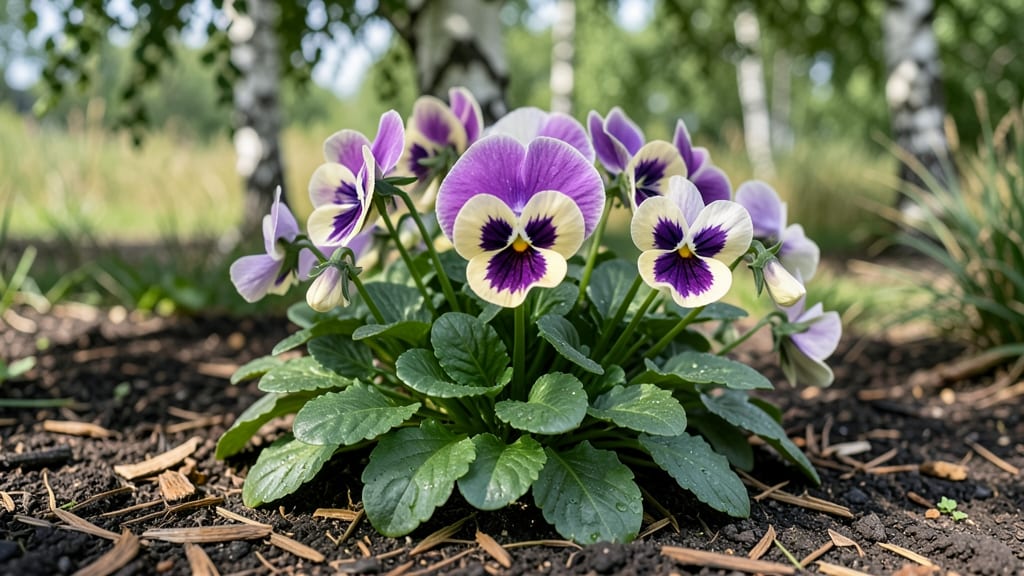
Pansies thrive during the pansy flowering season, bringing bold color to gardens from early spring through late fall 🌸 — but their bloom time can feel short unless you know how to stretch it.
Picture this: you’ve just planted your pansies in March, and by May, their vibrant petals are fading. Or maybe you love fall blooms but hate seeing them wilt by October. The good news? With the right timing and care, you can turn those two-season bloomers into year-round stars.
This guide dives into the natural flowering cycles of pansies, how your climate zone affects their performance, and the simple tricks—like deadheading, soil prep, and smart watering—that keep them blooming longer.
Whether you’re in USDA Zone 6 or another region, you’ll learn how to pick the best varieties and care for them to maximize their show.
From extending spring blooms into summer to reviving fall pansies for a late-season burst, you’ll discover how to make your garden a nonstop display of cheerful faces. Ready to turn your pansies into garden workhorses? Let’s get started.
Understanding pansy flowering seasons: natural timing and climate factors
Pansies thrive as cool-season flowers, bursting into color when temperatures dip but before summer's scorching heat arrives. Their natural flowering seasons align with spring and fall, creating two distinct bloom periods each year.
In USDA zones 3-7, you'll typically see vibrant displays from early spring through late fall, while warmer zones may experience shorter seasons.
The key to understanding pansy flowering lies in their temperature preferences. These hardy annuals (or biennials in cooler climates) prefer daytime temperatures between 60-75°F and nighttime temps around 45-55°F. When summer heat exceeds 80°F consistently, pansies often go dormant or bolt, causing their flowers to fade prematurely.
Daylight hours also play a crucial role in triggering pansy blooms. These plants respond to shorter daylight periods, which is why they flourish in fall and early spring when days are lengthening or shortening.
In USDA zone 8 and above, pansies may bloom year-round in shaded gardens, though their production will be less vigorous during summer months.
🌸
| USDA Zone | Primary Bloom Season | Temperature Range | Daylight Needs | Notes |
|---|---|---|---|---|
| Zones 3-4 | Late May - October | 50-75°F | 12-14 hours | Cold-hardy varieties perform best |
| Zones 5-7 | March - May & Sept - Nov | 60-75°F (day) / 45-55°F (night) | 10-12 hours | Classic two-season blooms |
| Zones 8-9 | Fall-Winter-Spring | 55-70°F (avoid 80°F+) | 8-10 hours | Heat-sensitive; needs shade |
| Zone 10+ | Winter-Spring | 50-65°F | 6-8 hours | Plant in partial shade |
In northern climates (zones 3-5), pansies often start blooming as early as late April and continue through mid-October, with a brief summer dormancy. The cool nights of spring and fall are particularly important for triggering their flowering mechanism.
In contrast, southern gardens (zones 8-10) experience more continuous blooming during their cooler winter months, typically from October through March.
One common misconception is that pansies bloom year-round. While they can produce flowers in mild winter climates, their most vibrant displays occur during their preferred cool-season windows.
The transition periods between seasons—when temperatures are moderate—are when pansies perform at their best, producing larger, more colorful blooms with minimal care.
Extreme weather conditions can significantly shorten pansy flowering seasons. Heatwaves above 85°F cause pansies to bolt (send up seed stalks) or develop leafy growth instead of flowers.
Similarly, freezing temperatures below 20°F can damage or kill pansies, especially tender varieties. Wind exposure also accelerates moisture loss, making pansies more susceptible to heat stress during their flowering period.
To maximize pansy blooms, focus on planting them in partial shade locations during summer months. A spot with morning sun and afternoon shade helps maintain cooler root temperatures while still providing enough light for flowering.
In containers or hanging baskets, pansies benefit from being moved to shadier spots during peak afternoon heat, which can extend their blooming season by 3-4 weeks in hot climates.
Understanding your local microclimate is equally important. Urban areas often experience heat islands that are 5-10°F warmer than surrounding rural areas, which can shorten pansy seasons.
If you're in a warmer microclimate, consider planting shade-loving pansy varieties like 'Cool Wave' or 'Matrix', which are bred for better heat tolerance.
🌿
Proven techniques to extend pansy blooms beyond their natural season
Pansies naturally thrive as cool-season bloomers, but with the right techniques, you can coax them into flowering well beyond their typical spring and fall windows. The key lies in understanding their growth triggers—temperature sensitivity, daylight exposure, and nutrient availability.
By tweaking these factors, I’ve kept my pansies blooming well into early summer or even through mild winters in Zone 7.
Start by recognizing that pansies enter dormancy when temperatures exceed 75°F (24°C) or drop below 30°F (-1°C). This natural cycle explains why their blooms often fade quickly during heatwaves or sudden cold snaps.
The good news? With strategic interventions, you can delay dormancy or revive stalled growth—here’s exactly how.
For organic gardeners, companion planting with basil or marigolds can naturally deter pests like aphids, which stress pansies and shorten their bloom time. I’ve also had success with compost tea applied every 2 weeks during active growth—it boosts microbial activity without chemical residues.
If you’re open to chemical aids, a low-dose floral elongator (like Paclobutrazol) can delay dormancy by 2-3 weeks in heat-prone zones. Always follow label rates, and test on a small patch first. Pair this with evening watering to reduce stress on the plants.
Remember: Pansies are biennials, meaning they often bloom best in their second year. If your plants look leggy or sparse after one season, consider replanting in fall for a fresh display. With these techniques, I’ve turned my 3-month bloom window into a 6-month spectacle—and you can too!