
Flowers
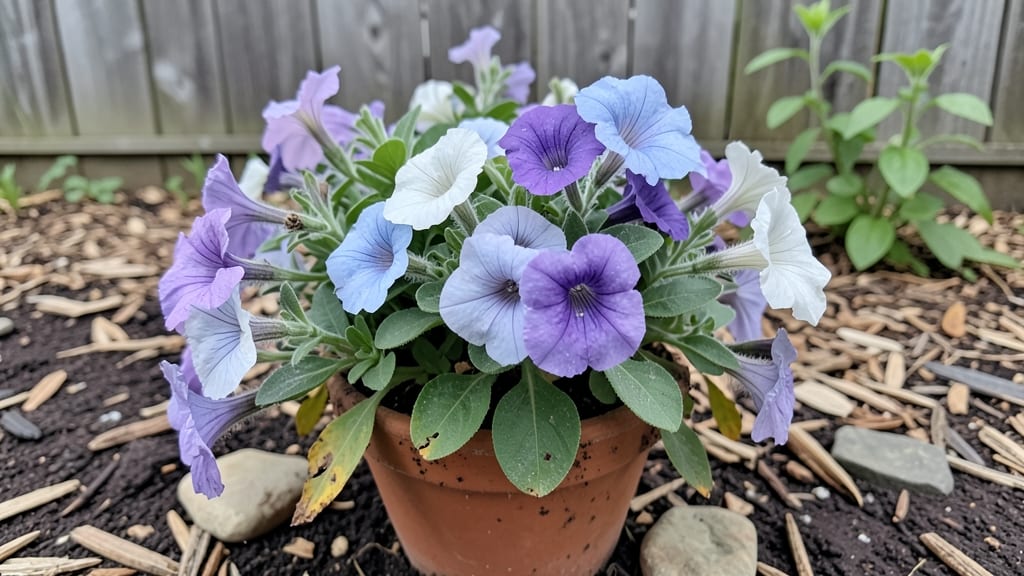
A mini flower garden can outshine any backyard with its vibrant bursts of color and endless charm—even in a 4x4-foot space. 🌸 I learned this the hard way after trying (and failing) to cram too many plants into a tiny balcony.
The secret? Smart plant choices, clever arrangements, and a focus on what thrives in small spaces.
You’ll need just a few supplies: containers (or a raised bed), well-draining soil, and a handful of dwarf or cascading flowers like petunias, pansies, or sweet alyssum. These varieties pack big impact with minimal space, and many bloom continuously from spring through frost.
A small watering can and a sunny spot complete the setup—no fancy tools required.
By summer’s end, you’ll have a lush, fragrant display that attracts pollinators and turns heads. The best part? With the right mix, you can extend blooms into fall with cool-season flowers like snapdragons or violas. Even in winter, evergreen foliage plants like heuchera or ornamental grasses add texture and color.
Perfect for balconies, patios, or sunny windowsills—this approach proves that size doesn’t matter. Whether you’re working with containers, vertical planters, or a small in-ground bed, the key is layering plants to create depth and movement. Let’s bring that charm to your space!
📚 In This Guide
- What you need
- Instructions
- Tips and common mistakes
- Wrapping up and next steps
What you need
- ● Container: A shallow tray, window box, or small pot (6"–12" deep, with drainage holes). Pro tip: 💡 Repurpose old wooden crates, colanders, or even a vintage teacup!
- ● Potting soil: 1–2 gallons of well-draining, lightweight mix (e.g., cactus/succulent blend or peat-based soil).
- ● Drainage material: Small pebbles, perlite, or broken pottery shards (½" layer at the bottom of the container).
- ● Flowers: Compact, slow-growing varieties like: Mini petunias 🌼
- ● Begonias 🌺
- ● Pansies 🌸
- ● Sweet alyssum (edging flowers) ✨
- ● Succulents (e.g., sedum or echeveria) 🌵
- ● Watering can or spray bottle: For gentle hydration (avoid overwatering!).
- ● Fertilizer: Balanced liquid fertilizer (5-10-5) or slow-release granules.
- ● Gloves: To keep hands clean while handling soil.
- ● Trowel or small spade: For easy planting and soil adjustments.
- ● Decorative elements: Paint (for containers), moss, or pebbles for a polished look.
- ● Sunlight meter or app: To track light exposure if your space is tricky.
- ● Pest control: Neem oil or insecticidal soap (preventative measure).
Step-by-Step instructions for creating a mini flower garden
Here's how to craft a vibrant, space-efficient garden that blooms all year.
🪴 Step 1: Choose and Prepare Your Containers
Select containers with drainage holes—ceramic pots, wooden window boxes, or even repurposed buckets work perfectly. I like to use a mix of sizes: a 12-inch pot for larger plants like petunias and a 6-inch pot for smaller varieties like pansies. Clean containers thoroughly with soapy water to remove any residue that could harm roots. Place a 2-inch layer of small rocks or broken pottery at the bottom of each container to improve drainage and prevent soil compaction.
This setup ensures excess water flows away from roots, which prevents root rot—a common issue in small containers. If your containers lack drainage holes, drill a few near the bottom to mimic natural drainage. Real talk: Skipping this step can turn your pretty garden into a soggy mess within weeks.
🌱 Step 2: Layer Soil and Plant Your Flowers
Fill each container with 2-3 inches of potting mix, leaving about 1 inch of space at the top for watering. Gently press the soil down to remove air pockets but don’t compact it too tightly—roots need room to breathe. For each planting hole, use a small trowel or your finger to create a hole twice as wide as the plant’s root ball and just as deep.
Place your plants in the holes, then cover the roots with soil, pressing lightly to secure them. Water immediately after planting to settle the soil and remove air gaps around the roots. Here’s the thing—if you see gaps between the soil and roots, add a little more potting mix to ensure full coverage. This step is critical for establishing strong roots right away.
☀️ Step 3: Position for Sunlight and Watering
Place your mini garden where it gets at least 4-6 hours of sunlight daily. Most annual flowers thrive in full sun, but some like impatiens can tolerate partial shade. Rotate containers a quarter turn every few days so plants grow evenly instead of leaning toward the light. You’ll notice this makes a big difference in how straight and healthy your plants look.
Water deeply every 2-3 days, ensuring the top inch of soil feels dry before watering again. Overwatering is the biggest mistake here—small containers dry out faster than garden beds, but soggy soil suffocates roots. Use a spray bottle for delicate flowers like pansies and a watering can for heartier varieties. Watch for wilting leaves; that’s your cue to water again.
✂️ Step 4: Maintain and Encourage Blooms
Deadhead spent blooms weekly to encourage more flowers and prevent seed formation. Pinch back leggy stems to promote bushier growth—this works especially well for petunias and geraniums. Fertilize every 4-6 weeks with a balanced liquid fertilizer (like 10-10-10) diluted to half strength. You’ll see a noticeable boost in color and vigor after just one feeding.
In cooler months, move containers to a sheltered spot or bring them indoors if temperatures drop below 40°F. Some flowers, like pansies, actually thrive in cooler weather and will keep blooming beautifully. Real talk: If you ignore this, frost can kill tender plants overnight—don’t let that happen to your hard work!
Tips & tricks for perfect mini flower gardens
Transforming your space into a blooming oasis doesn't have to be complicated—just a few smart moves make all the difference.
Container Selection: Don't overlook the importance of container material! Terracotta pots wick away moisture naturally, which helps prevent overwatering, while plastic containers retain moisture longer—great for drier climates. For a budget-friendly option, repurpose buckets or wooden crates, just be sure to drill drainage holes if they don't already exist. I've seen thrift store finds become stunning planters with just a little creativity!
Soil Strategy: In Step 2, when you're adding your 2-3 inches of potting mix, consider mixing in a slow-release fertilizer right into the soil. This eliminates the need for frequent feeding and gives your flowers a steady nutrient supply. Just follow the package instructions for proper ratios—typically 1-2 tablespoons per gallon of soil. This is especially helpful if you're not planning to fertilize every 4-6 weeks as mentioned in Step 4.
Sunlight Savvy: The 4-6 hours of sunlight mentioned in Step 3 is non-negotiable for most annuals, but here's the thing: morning sun is gentler than afternoon heat. Position your containers to catch that morning glow first, then move them to a slightly shadier spot in the afternoon if your space gets intense afternoon sun. This prevents leaf scorch on delicate varieties like pansies.
Watering Wisdom: When checking that top inch of soil for dryness in Step 3, use your finger to test moisture at different spots in the container—not just one area. Soil moisture can vary dramatically even within the same pot. Also, water in the morning whenever possible; this gives plants time to absorb moisture before evening temperatures drop, reducing stress on your plants.
Pro Tips for Mini Flower Garden
- Transforming your space into a blooming oasis doesn't have to be complicated—just a few smart moves make all the difference.
- Container Selection: Don't overlook the importance of container material!
- Soil Strategy: In Step 2, when you're adding your 2-3 inches of potting mix, consider mixing in a slow-release fertilizer right into the soil.
Frequently asked questions
Got questions about creating your own mini flower garden? You’re not alone! Here are answers to some of the most common inquiries—so you can dive in with confidence and enjoy those tiny bursts of color all year long.
How much space do I need for a mini flower garden?
You don’t need much! A mini flower garden can thrive in containers as small as 6 inches wide (like window boxes or hanging pots) or even vertical planters if space is tight. Just ensure each plant has room for its roots—check the tag for mature size. For example:
- Sunflowers (bush varieties) or pansies fit well in 12-inch pots.
- Succulents or herbs (like thyme) can share a shallow tray.
What’s the best time to start a mini flower garden?
Spring is ideal for most flowers, but you can plant cool-season blooms (like violas or snapdragons) in early spring or fall for year-round color. For warm-season flowers (petunias, marigolds), wait until after the last frost (check your local frost date!). Pro tip: Start seeds indoors 6–8 weeks before the last frost for a head start!
Can I grow a mini flower garden indoors?
Indoor mini gardens work beautifully with low-light-tolerant plants like:
- African violets (love indirect light)
- Orchids (needs humidity)
- Herbs (basil, mint—great for windowsills!)
Place them near a south-facing window or use grow lights (12–14 hours/day) for best results.
What if my mini flowers aren’t blooming?
Don’t worry—it’s often fixable! Common reasons and solutions:
- Not enough light: Move to a sunnier spot or supplement with grow lights.
- Over- or under-watering: Stick your finger 1 inch into soil—if dry, water; if soggy, let it dry.
- Lack of nutrients: Use a balanced fertilizer (like 10-10-10) every 4–6 weeks.
- Wrong variety: Some plants (like succulents) prioritize foliage over flowers.
Pro tip: Prune spent blooms to encourage new growth!
What are some easy, low-maintenance mini flower alternatives?
If you want zero-fuss blooms, try these:
- Sedum (Stonecrop): Drought-tolerant, thrives in pots.
- Calibrachoa (Million Bells): Looks like tiny petunias but needs less care.
- Zinnias: Fast-growing, great for pollinators.
- Succulents (echeveria, sempervivum): Need sunlight and infrequent watering.
These are perfect for beginners or busy gardeners!
Wrapping up and next steps
Creating a mini flower garden is more than just a trend—it’s a joyful way to bring nature’s beauty into your space, no matter how small!
Whether you’re a seasoned gardener or a beginner, these compact blooms prove that big charm fits in tiny spaces. 🌸 With the right care and a little creativity, your garden will thrive year-round, offering color, fragrance, and a serene escape.
Ready to turn your vision into reality? Start by sketching your design, gathering supplies, and planting your first flowers—your future blooms will thank you! 🌱 Explore our plant care guide to keep your garden flourishing.