
Landscaping
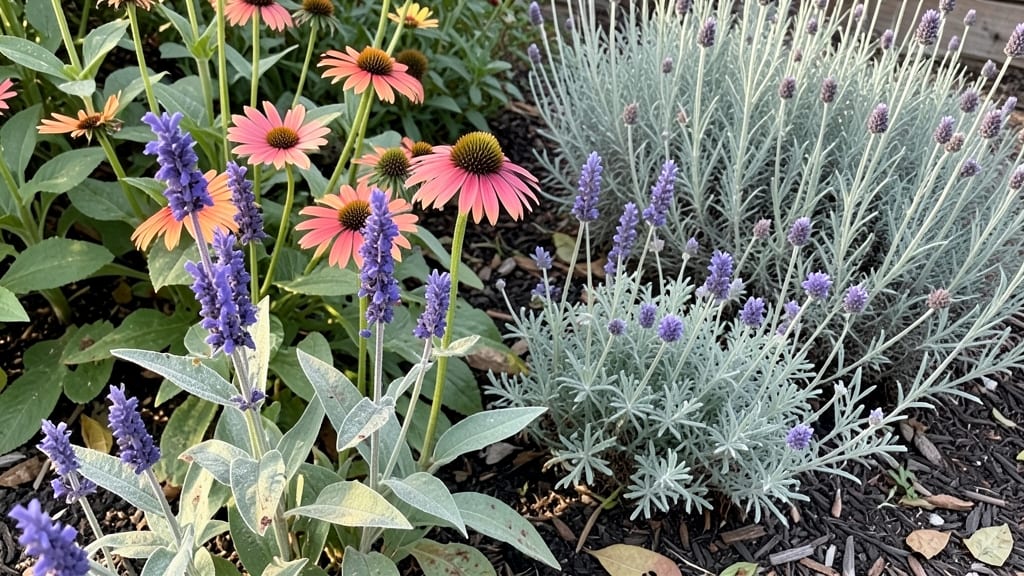
Designing stunning flower garden beds 🌸 that bloom all season isn’t about spending big—it’s about smart layering that keeps color vibrant and pollinators buzzing.
Picture this: A bed that stays lively from spring tulips to fall asters, with no gaps or wilted patches. The secret? Mixing tall perennials with low-spreading annuals, then tucking in ground covers to fill every inch.
I’ll show you how to stack plants by height and bloom time so your garden looks intentional—and stays that way.
You’ll learn which flowers attract bees and butterflies, how to prep soil for year-round growth, and the 3 biggest mistakes that turn pretty beds into maintenance nightmares. No green thumb required—just a little strategy.
By the end, you’ll have a plan to transform even a small patch into a pollinator magnet that thrives with minimal fuss. Ready to get started?
How to layer flower garden beds for season-long color & pollinator support
Creating a flower garden bed that thrives year-round isn’t about planting random blooms—it’s about strategic layering. By arranging plants by height, bloom time, and sunlight needs, you’ll create a dynamic display that attracts bees, butterflies, and hummingbirds while minimizing gaps in color.
The key is balancing perennials (long-lived workhorses) with annuals (seasonal stars) and ground covers (filler plants) to ensure every inch of space works hard.
Start by dividing your bed into three vertical layers: the back layer (tall plants), the middle layer (medium-height blooms), and the front layer (low-growing fillers). This creates depth and visual interest while allowing sunlight to reach all plants.
For pollinator support, prioritize native flowers with long bloom periods—they’re the unsung heroes of a thriving garden. Pairing early spring bloomers like columbine with late summer favorites like black-eyed Susan ensures your garden never goes dormant.
For sunny beds, pair tall coneflowers (back) with medium-height black-eyed Susans (middle) and low creeping thyme (front). This combo ensures continuous blooms from early summer through fall. In shadier spots, swap in astilbes (back), heucheras (middle), and sweet woodruff (front) for a lush, low-maintenance display.
The secret? Group plants with similar water needs together to simplify care—no more overwatering delicate blooms while drought-tolerant plants thirst.
Don’t forget to leave space between plants as they mature. Crowding leads to disease, poor airflow, and fewer blooms. Aim for 12-18 inches between medium plants and 24+ inches for tall perennials.
If your bed gets 6+ hours of sun, focus on drought-resistant annuals like lantana or portulaca—they’ll thrive with minimal water and attract butterflies all season. For partial shade, impatiens and coleus add vibrant pops while keeping humidity-loving pollinators happy.
Seasonal layering is where the magic happens. Plant early spring bulbs like daffodils (back layer) alongside spring annuals (middle) and creeping phlox (front) for a burst of color as soon as snow melts. By late summer, sedum and goldenrod take over, providing late-season nectar for migrating monarchs. Even in winter, evergreen shrubs like boxwood or holly add structure, while winter aconite peeks through snow for a surprise bloom.
To boost pollinator activity, intersperse native milkweed (for monarchs) and bee-friendly lavender every 3-4 feet. These plants act as magnets, drawing wildlife deeper into your garden. Avoid double-flowered varieties—they often lack pollen, leaving pollinators hungry.
Instead, opt for single-bloom varieties like cosmos or sunflowers, which are pollinator powerhouses. A little mulch (2-3 inches of shredded bark) around plants also helps retain moisture and suppress weeds, giving your garden a polished look.
Maintenance tips keep your layered bed looking effortless. Deadhead spent blooms regularly to encourage reblooming, and fertilize lightly in spring (use a balanced 10-10-10) to support growth without overpowering flowers. In fall, cut back annuals and tidy perennials but leave seed heads for winter interest and bird food. A light pruning in early spring removes dead growth and makes room for new shoots. With this approach, your flower garden bed will be a pollinator paradise and a year-round showstopper.
Pro tip: Sketch your bed before planting! Use graph paper to map out height zones and color themes. For example, purples and blues (like salvia and catmint) pair beautifully with yellows and oranges (like black-eyed Susans and marigolds) for a high-contrast, vibrant look. Adjust as you go—
Best flower combinations for pollinator-friendly garden beds by season
A pollinator-friendly garden bed thrives on diversity—mixing native flowers, drought-resistant perennials, and seasonal bloomers ensures bees, butterflies, and hummingbirds have food year-round. The key? Strategic pairings that overlap bloom times and provide continuous nectar sources without gaps.
For example, pairing early spring columbine with late summer black-eyed Susan creates a seamless transition.
Start with three height layers: tall backdrops (like coneflowers), mid-height fillers (such as bee balm), and low-growing ground covers (like creeping thyme).
This structure mimics natural ecosystems, where pollinators can forage efficiently from the ground up. Companion planting also plays a role—pairing marigolds with lavender deters pests while adding color contrast.
🌸 Seasonal Pollinator Powerhouses
- 🌱 Spring (March–May): Virginia bluebells, purple coneflower, lupine (early nectar + native support)
- ☀️ Summer (June–August): butterfly weed, salvia, goldenrod (late-season pollinator magnet)
- 🍂 Fall (September–November): sedum, asters, Russian sage (drought-tolerant + fall color)
- ❄️ Winter (December–February): winter honeysuckle, ornamental grasses, heather (evergreen structure + early pollen)
Pro Tip: Add 1–2 native grasses (like little bluestem) for winter interest and seed heads that feed birds.
For drought-resistant beds, prioritize xeric plants like yarrow and blanket flower, which thrive with minimal water. Group them with succulents (e.g., sedum) to reduce evaporation. Mulch with wood chips to retain moisture and suppress weeds—this frees up time for you while keeping pollinators happy.
Don’t overlook color psychology: Purple and blue flowers (like beard tongue) attract bees, while red and orange (such as bee balm) lure hummingbirds. Mix 3–4 colors per bed to create visual interest while maximizing pollinator appeal.
For example, a purple coneflower centerpiece surrounded by yellow black-eyed Susans and white shasta daisies creates a high-contrast, pollinator-friendly palette.
Finally, rotate annuals yearly to prevent soil depletion and pest buildup. Swap out half the plants each spring with new pollinator favorites, like cosmos or zinnia, to keep your garden beds dynamic. This approach also introduces new nectar sources for pollinators, ensuring they return year after year.
With these seasonal combinations, your garden bed becomes a thriving ecosystem—not just a pretty picture, but a functional habitat that supports local wildlife while wowing neighbors. Start small, observe what thrives, and refine over time for the perfect pollinator paradise.