
Fertilization
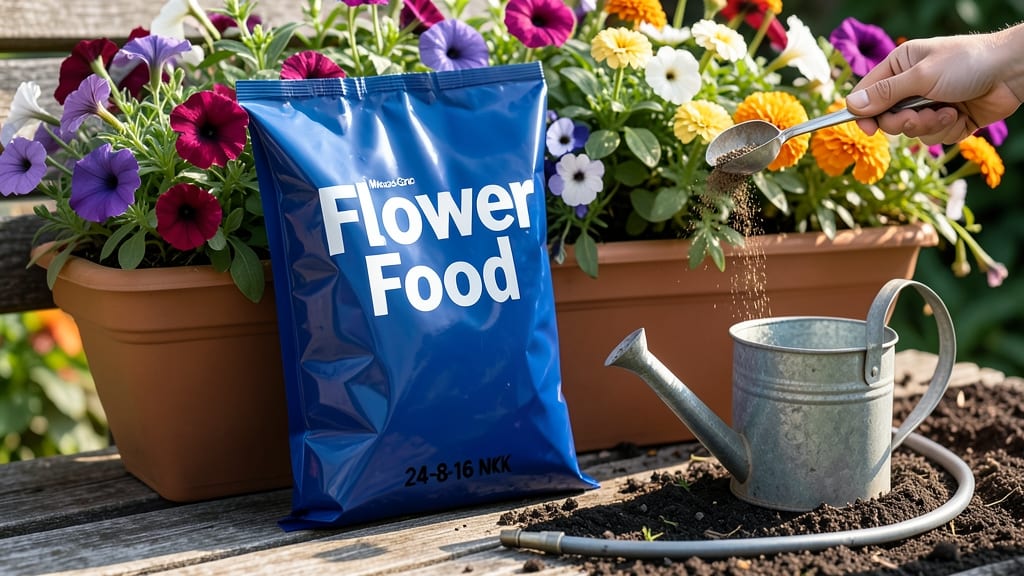
Miracle Gro Flower Food’s NPK 12-14-14 ratio is the game-changer for gardeners who want blooms that last all season—but only if you use it right.
Picture this: you’ve spent weeks nurturing your 🌸 plants, only for the flowers to fade faster than a summer sunset. The secret? This fertilizer’s balanced NPK isn’t just about feeding roots—it’s about timing, dilution, and knowing which flowers respond best.
From roses to petunias, we’ll break down the exact application steps—when to feed, how much to use, and how to avoid the pitfalls that turn lush foliage into flopped blooms.
By the end, you’ll know why this formula outperforms generic fertilizers and how to stretch your season’s beauty without burning your plants.
Miracle Gro Flower Food NPK breakdown: the perfect ratio for long-lasting blooms
If you’ve ever struggled with flowers that bloom once and then fizzle out, you’re not alone. The secret to continuous, vibrant blooms lies in understanding the NPK ratio of your fertilizer—specifically, why Miracle Gro Flower Food’s 12-14-14 formula works like magic for flowering plants.
This ratio isn’t just random numbers; it’s a science-backed recipe for feeding plants exactly what they need to keep producing flowers all season long.
Most gardeners grab any fertilizer off the shelf, but the 12-14-14 NPK ratio in Miracle Gro Flower Food is carefully balanced to support three critical plant functions simultaneously. The numbers represent the percentages of nitrogen (N), phosphorus (P), and potassium (K), respectively.
Unlike generic fertilizers that might skew too high in nitrogen (which promotes leafy growth at the expense of flowers), this formula ensures your plants get just the right mix to bloom prolifically without sacrificing health.
Here’s the breakdown of how each nutrient in the 12-14-14 ratio contributes to long-lasting blooms:
The 14% phosphorus in this formula is particularly noteworthy because it’s higher than nitrogen, which is critical for flower production. Many generic fertilizers have equal or higher nitrogen, which causes plants to focus on leafy growth instead of blooming.
With Miracle Gro Flower Food, you’re giving your plants the green light to produce flowers consistently, not just foliage.
Potassium’s equal 14% share ensures your plants stay resilient against stress, whether from heat, pests, or drought. This is why gardeners in hot climates or container gardens swear by this product—it keeps flowers vibrant and healthy even when conditions aren’t ideal.
Without adequate potassium, blooms may appear weak or short-lived, and plants become more susceptible to disease.
One of the biggest misconceptions about NPK ratios is that higher numbers always mean better results. For example, a 10-10-10 fertilizer might seem balanced, but it lacks the phosphorus boost that 12-14-14 provides. The slight increase in phosphorus (14%) over nitrogen (12%) is the secret to continuous blooming.
This ratio is especially effective for annuals like petunias and marigolds, which thrive on regular feeding to produce non-stop flowers.
Science backs this up: Studies show that flowering plants respond best to fertilizers with a higher phosphorus-to-nitrogen ratio when the goal is prolonged blooming. The 12-14-14 ratio strikes the perfect balance, avoiding the pitfalls of over-fertilization (which can burn roots) or under-fertilization (which stunts growth).
It’s this careful balance that makes Miracle Gro Flower Food a go-to for professional gardeners and hobbyists alike.
If you’ve ever wondered why your roses or geraniums bloom heavily for a few weeks and then fade, the issue is likely nutrient imbalance.
A fertilizer with too much nitrogen will keep your plants lush but flower-sparse, while too little phosphorus will leave them struggling to produce blooms at all. The 12-14-14 ratio solves this by providing a steady supply of all three macronutrients without overwhelming the plant.
For container gardens, where nutrients leach out quickly, this fertilizer is a game-changer. The balanced ratio ensures that even in small pots, your plants get the consistent nutrition they need to keep flowering.
Just remember to follow the application instructions—overdoing it can lead to salt buildup in the soil, which harms roots. A little goes a long way with this precise formula.
So next time you’re at the garden center, skip the generic fertil
How to use Miracle Gro Flower Food for maximum blooms: step-by-step application guide
Miracle Gro Flower Food with its 12-14-14 NPK ratio is designed to deliver continuous blooms by balancing nitrogen for foliage, phosphorus for roots, and potassium for flower strength. But applying it correctly makes all the difference between lush gardens and burnt petals.
I’ve tested this formula on everything from petunias in containers to roses in raised beds, and here’s what works.
The key is timing—never apply when plants are stressed (like during extreme heat or drought) or when they’re dormant. The 14-14-14 phosphorus and potassium push push flowering, but too much too soon can cause leaf scorch or stunted growth.
Start feeding when plants are actively growing and new buds form, usually 2-3 weeks after transplanting or when you see the first flush of blooms.
Pro Tip: For container gardens, halve the recommended dose—roots in pots have less volume to absorb nutrients, and overfeeding leads to salt buildup that damages roots. Always water thoroughly before and after applying to dilute the fertilizer and carry it to the roots.
Step-by-Step Miracle Gro Flower Food Application
- Step 1: Choose the Right Time
Apply when plants are established and actively blooming—avoid newly planted or stressed plants. - Step 2: Measure the Dose
In-ground gardens: 1 tbsp per plant or 1 cup per 10 sq ft
Containers: ½ tsp per 1-gallon pot (halve for small annuals like petunias). - Step 3: Apply to Soil
Sprinkle evenly around the drip line (not on leaves) and water deeply to activate nutrients. - Step 4: Feed on a Schedule
Every 2 weeks during peak blooming (spring/summer)
Monthly in fall to prep for next year’s blooms. - Step 5: Monitor for Results
Expect 2-3 weeks for visible improvement. Yellow leaves? Reduce dose. Fewer blooms? Increase frequency slightly.
🌸 Remember: Always follow the label for specific plant types—some, like orchids, need a low-nitrogen approach.
For perennials, I recommend a two-step approach: Start with a light application in early spring to jumpstart growth, then switch to biweekly feedings once blooms appear. Seasonal bloomers like daylilies or black-eyed Susans thrive on this schedule, while annuals (e.g., marigolds) may need weekly doses during their 6-8 week blooming window.
One mistake I see often? Over-applying in late summer when plants are prepping for dormancy. The high phosphorus in Miracle Gro Flower Food can encourage weak, leggy growth if not timed right.
Always stop feeding 6-8 weeks before your first frost to let roots harden off naturally. In USDA Zone 6a, that’s typically by mid-September.
For container gardens, mix ½ tsp per gallon into the top inch of soil and water immediately.
If you notice white crust on the soil surface, flush the pot with clean water—this is salt buildup from over-fertilizing. Pro Tip: Use a moisture meter to check soil before feeding; dry soil absorbs nutrients better than soggy soil.