
Fertilization
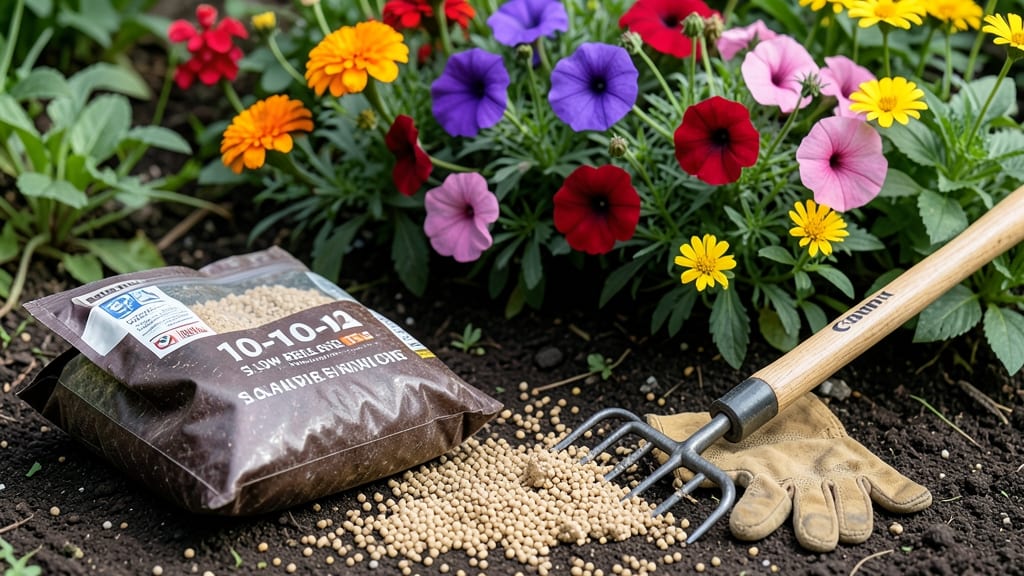
Feeding outdoor flowering plants 🌸 with the right fertilizer is the secret to nonstop blooms from spring through fall.
Picture this: You’ve spent weeks nurturing your garden, only to watch buds fizzle out before they even open. The problem isn’t your green thumb—it’s often the fertilizer. Too much nitrogen? You’ll get lush leaves but no flowers.
Too little phosphorus? Your blooms stay small and weak. Getting the balance right is the key to turning your garden into a vibrant showstopper.
In this guide, I’ll break down the best fertilizer types for your flowering plants—whether you prefer organic compost or fast-acting synthetic blends—and when to apply them for maximum impact. No more guesswork, just science-backed tips to keep your 🌸 thriving all season long.
You’ll learn how to read NPK labels, spot nutrient deficiencies early, and adjust your feeding schedule based on your plants’ growth stage. Let’s get those flowers blooming like never before!
Best fertilizer types for outdoor flowering plants by nutrient needs
Choosing the right fertilizer for outdoor flowering plants depends on their nutrient needs and blooming cycles. Annuals like marigolds need quick nutrient bursts, while perennials like daylilies benefit from slow-release formulas. The key is matching NPK ratios (nitrogen, phosphorus, potassium) to your plants' growth stages.
Too much nitrogen? You'll get lush leaves but few blooms. Too little phosphorus? Your flowers may stay small and sparse.
Most flowering plants thrive with a balanced fertilizer like 10-10-10 or 5-10-5, but heavy bloomers often need more phosphorus. For example, roses and petunias love a 7-7-7 ratio, while bulbs like tulips prefer 10-20-20 during their growing season.
Organic options like compost or fish emulsion release nutrients gradually, while synthetic granules provide immediate results. Let's break down the best choices for your garden.
For annuals like zinnias or cosmos, I recommend a quick-acting liquid fertilizer with a 5-10-5 ratio. These plants bloom rapidly and need phosphorus to support flower production. Apply it every 2 weeks during their 6-8 week growing season.
Look for products labeled "bloom booster" to avoid excess nitrogen that can delay flowering. Perennials, on the other hand, benefit from slow-release fertilizers like Osmocote or Alfalfa meal, which feed them steadily over months.
Watch for nutrient deficiencies like yellowing leaves (nitrogen deficiency) or weak stems (potassium deficiency). Magnesium deficiency shows as yellow patches between leaf veins, while iron deficiency causes pale new growth.
If you notice these signs, switch to a fertilizer with higher secondary nutrients or apply Epsom salt (for magnesium) or chelated iron. For example, roses often need extra potassium to withstand heat stress, so a 5-10-10 ratio works wonders during summer.
Container-grown flowering plants have different needs than those in garden beds. Since potting soil depletes nutrients faster, I use a water-soluble fertilizer every 7-10 days for petunias and geraniums. Mix the fertilizer at half-strength to prevent root burn.
For seasonal bloomers like hollyhocks or black-eyed Susans, apply fertilizer in early spring when new growth appears, then again after the first flush of blooms. Avoid fertilizing late in the season, as it encourages tender growth that won't survive frost.
Soil type plays a huge role in fertilizer effectiveness. Sandy soil drains quickly, so use slow-release fertilizers or apply liquid feeds more frequently. Clay soil holds nutrients well, so you can use organic matter like composted manure or worm castings instead of synthetic fertilizers. Always
Seasonal fertilizing schedule for continuous blooms: when and how to apply
Timing your fertilizer applications is just as important as choosing the right product. Outdoor flowering plants need a balanced nutrient supply throughout their growing season to produce vibrant, continuous blooms.
The key is feeding them when they need it most—spring for root growth, summer for bloom production, and avoiding fertilization in fall and winter when plants rest.
Most flowering plants thrive with a 10-10-10 or 20-20-20 NPK ratio, but heavy bloomers like roses benefit from higher phosphorus (5-10-5). Slow-release fertilizers are ideal for steady nutrient delivery, while liquid fertilizers offer quick results for revitalizing struggling plants.
Always water before and after applying to prevent root burn.
🌱 Seasonal Fertilizing Timeline
- 🌿 Spring (March-May): Apply slow-release granular fertilizer at planting or early spring. Use 10-10-10 NPK for balanced growth. Example: Osmocote Smart-Release Flower & Vegetable.
- ☀️ Early Summer (June): Switch to liquid bloom booster with higher phosphorus (e.g., Miracle-Gro Bloom Booster 7-9-5). Feed every 3-4 weeks.
- 🌼 Mid-Summer (July-August): Continue with liquid fertilizer but reduce nitrogen to encourage blooms over foliage. Example: Fish emulsion 5-1-1 for organic option.
- 🍂 Fall (September-October): Stop fertilizing 6-8 weeks before first frost. Let plants harden off naturally.
- ❄️ Winter (November-February): No fertilization. Focus on mulching to protect roots.
Before fertilizing, test your soil with a home kit or lab analysis to check pH and nutrient levels. Most flowering plants prefer slightly acidic to neutral soil (6.0-7.0 pH).
If your soil lacks organic matter, mix in compost or aged manure before applying synthetic fertilizers. This improves soil structure and microbial activity, helping roots absorb nutrients efficiently.
Over-fertilizing is a common mistake that leads to leaf burn, stunted blooms, or even plant death. Always follow package instructions and start with half the recommended dose for new plants.
Observe your plants for 3-5 days after feeding: yellowing leaves may signal too much nitrogen, while brown tips often mean salt buildup from over-fertilization. Adjust accordingly.
For container-grown flowering plants, use a water-soluble fertilizer like Dyna-Gro Grow 7-9-5 every 2 weeks during summer. Since containers dry out faster, dilute the fertilizer to half-strength to prevent root damage. Always water thoroughly after feeding to flush out excess salts that can accumulate in potting mix.
Pro tip: Keep a gardening journal to track fertilizer types, application dates, and plant responses. Note which products yield the most vibrant blooms and adjust your schedule next year.
For example, my roses bloom longer when I switch to a 5-10-5 formula in July—the extra phosphorus triggers more bud formation. Experiment with small batches to find what works best for your garden! 🌺