
Flowers
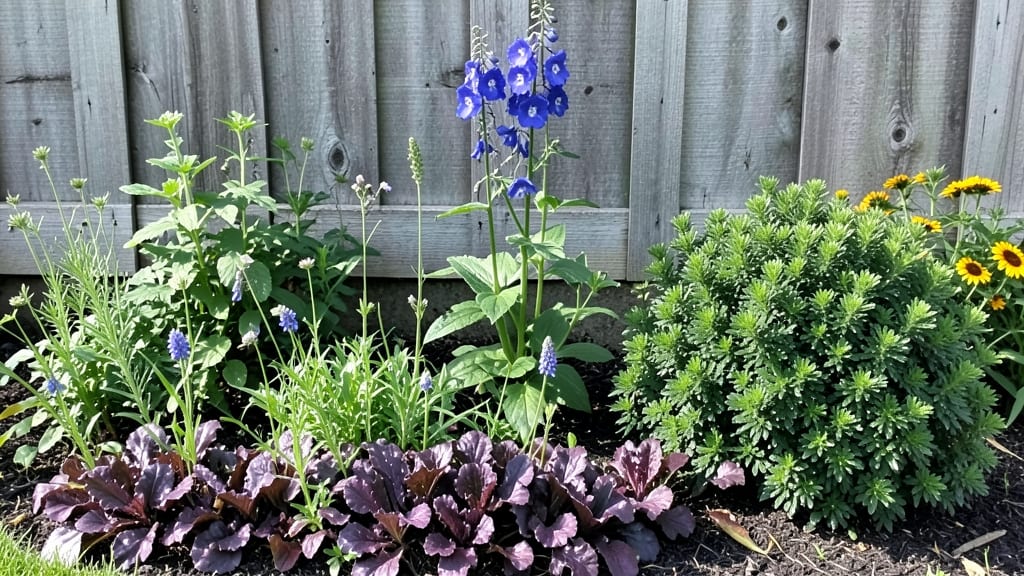
A mixed flower garden doesn't just look pretty—it hums with life, buzzing with bees and fluttering with butterflies all season long. 🌸 I designed mine after realizing my old single-species beds were boring by July, and now it's a riot of color from spring through frost.
The key? Layering plants that bloom at different times so something's always in flower, while keeping maintenance simple enough for busy weekends.
Start with a sunny spot (at least 6 hours of light) and a rough sketch of your space—think tall back, medium middle, and short front for drama. My 5x8-foot bed uses perennials like coneflowers and black-eyed Susans for structure, with annuals like zinnias and cosmos for seasonal pops.
Mulch saves time on weeding, and drip irrigation keeps everything thriving without daily fuss.
By mid-summer, you'll have a garden that never looks tired—purple lavender blending with orange daylilies, white daisies catching the breeze. The best part? Hummingbirds hover over the bee balm while kids chase fireflies at dusk. Even my neighbor's cat (who hates everything) naps in the shade of the Russian sage.
Works in containers too—just scale down the plants. The secret to low maintenance? Group plants with similar water needs and prune spent blooms regularly. Here's how to make it happen without the overwhelm.
📚 In This Guide
- What you need
- Instructions
- Tips and common mistakes
- Wrapping up and next steps
What you need
- ● Flower Seeds or Plants: Choose a mix of annuals (e.g., zinnias, marigolds) and perennials (e.g., coneflowers, black-eyed Susans) for year-round color. Aim for 3–5 varieties to attract diverse pollinators.
- ● Well-Draining Soil: 1–2 cubic yards of native soil + compost (or potting mix for containers). Test soil pH (ideal: 6.0–7.0 for most flowers).
- ● Mulch: 2–3 inches of organic mulch (e.g., shredded bark or straw) to retain moisture and suppress weeds.
- ● Watering Supplies: A hose with a gentle spray nozzle or a drip irrigation kit (for efficiency).
- ● Garden Gloves (1 pair) – Protect your hands from thorns and dirt.
- ● Hand Trowel or Transplant Spade – For digging and planting.
- ● Pruners – Sharp, bypass pruners for trimming dead blooms.
- ● Measuring Tape or Ruler – To space plants 12–24 inches apart (depending on variety).
- ● Wheelbarrow or Bucket – For hauling soil, mulch, or tools.
- ● Pollinator-Friendly Additions: A small water source (birdbath or shallow dish) and native wildflower seeds for extra biodiversity.
- ● Stakes or Trellises – For climbing flowers like morning glories or clematis.
- ● Fertilizer – Slow-release granular fertilizer (10-10-10 ratio) or organic compost tea for a nutrient boost.
- ● Garden Markers – Label plants with biodegradable stakes for easy identification.
- ● Solar-Powered Lights – To highlight your garden at night (and deter pests!).
Step-by-Step instructions for designing a pollinator-friendly mixed flower garden
Here's how to craft a thriving, bee- and butterfly-loving border that blooms from spring to frost.
🌱 Step 1: Plan Your Planting Zones for Seasonal Interest
Start by sketching your garden space and dividing it into three distinct zones: early spring bloomers, mid-season performers, and late-season showstoppers. I always begin with the back row—tall perennials like coneflowers and black-eyed Susans—to create a natural backdrop. These plants establish deep roots first and won't be overwhelmed by shorter varieties in front.
Next, add mid-height plants like bee balm and salvia in the middle row, where they'll catch sunlight without shading smaller flowers. Finally, fill the front with low-growing annuals such as lobelia or sweet alyssum to create a lush, pollinator-friendly carpet. This layering ensures continuous nectar sources as seasons shift.
🪴 Step 2: Prepare the Soil for Diverse Root Needs
Test your soil first—most pollinator gardens thrive in well-draining, slightly acidic to neutral soil (pH 6.0-7.0). Amend heavy clay with 2-3 inches of compost and 1 part perlite to improve aeration, while sandy soils benefit from 1 part peat moss to retain moisture. I spread 1 pound of bone meal per 100 square feet for phosphorus to encourage strong root systems.
For container sections, use premium potting mix mixed with 20% coconut coir to mimic natural moisture retention. Avoid garden soil in pots—it compacts and suffocates roots. Water the prepared beds deeply before planting to settle the soil and eliminate air pockets that could stress young plants.
☀️ Step 3: Plant for Continuous Bloom Cycles
Begin with early spring bulbs like crocus and dwarf daffodils—their bright blooms signal pollinators it's time to wake up. Follow with perennial workhorses such as purple coneflower and Russian sage, which establish quickly and return year after year. I plant these 12-18 inches apart to allow airflow and prevent fungal diseases.
Fill gaps with annual fillers like cosmos and zinnia, which self-seed prolifically and attract butterflies with their bold colors. Space these 6-12 inches apart for a dense, cottage-garden effect. Water immediately after planting to help roots establish, then mulch with 2 inches of shredded bark to retain moisture and suppress weeds.
💧 Step 4: Establish a Watering Routine for Pollinator Health
Deep water 2-3 times per week during the first growing season to encourage deep root growth, but avoid overhead sprinkling after noon—wet foliage invites fungal diseases. Instead, use drip irrigation or soaker hoses to deliver moisture directly to the soil. I check moisture by pushing my finger 2 inches deep; if it feels dry, it's time to water.
Once established, most perennials tolerate drought conditions, but annuals need consistent moisture. Group plants with similar water needs together to simplify care. For example, place thirsty cosmos near water-loving lobelia and keep them separate from drought-tolerant lavender. This zoning prevents over- or under-watering.
✂️ Step 5: Maintain for Long-Term Pollinator Success
Deadhead spent blooms weekly to encourage continuous flowering and prevent self-seeding where you don't want it. I use clean, sharp pruners to trim just above the next set of leaves—this redirects energy to new growth. For perennials like bee balm, cut back one-third of the foliage in early spring to promote bushier, more vibrant blooms.
Leave some seed heads standing through winter—they provide food for birds and shelter for beneficial insects. In late fall, remove only the most diseased or woody stems, leaving the rest to decompose naturally. This organic matter enriches the soil and supports next year's pollinators.
Tips & tricks for perfect pollinator gardens
Creating a thriving pollinator garden takes thoughtful planning—here are my hard-won secrets to maximize beauty and biodiversity.
Layering for Continuous Bloom: The three-row structure in Step 1 isn't just aesthetic—it's a strategic bloom calendar. Tall perennials like coneflowers establish first, providing early nectar while their deep roots prevent competition. Mid-height plants like bee balm take center stage in summer, while front-row annuals like lobelia bridge gaps through fall. I've found this sequence prevents "bloom droughts" when one plant finishes before the next begins.
Soil Science Matters: That pH 6.0-7.0 range isn't arbitrary—it's where most pollinator plants thrive. For heavy clay soils, I mix in perlite at a 1:1 ratio with compost to create pockets of air. In sandy areas, the peat moss addition creates moisture retention without suffocating roots. Pro tip: Test your soil before amending—some native plants actually prefer slightly alkaline conditions, so match your amendments to your region's native flora.
Watering Wisdom: The 2-3 times per week rule applies only to the first growing season. After plants establish (usually after 6-8 weeks), most perennials become drought-tolerant. I've seen Russian sage survive on rainfall alone once rooted. For containers, I use self-watering pots with coconut coir—this mimics natural moisture retention without the risk of overwatering that comes with overhead sprinklers.
Deadheading Discipline: That weekly pruning in Step 5 isn't just about looks—it's about redirecting energy. When you cut just above the next set of leaves, you're telling the plant "keep growing here" rather than wasting energy on seed production. For perennials like bee balm, I cut back one-third in early spring to stimulate bushier growth. This technique can extend the blooming season by 3-4 weeks if done consistently.
Pro Tips for Mixed Flower Garden
- Creating a thriving pollinator garden takes thoughtful planning—here are my hard-won secrets to maximize beauty and biodiversity.
- Layering for Continuous Bloom: The three-row structure in Step 1 isn't just aesthetic—it's a strategic bloom calendar.
- Soil Science Matters: That pH 6.0-7.0 range isn't arbitrary—it's where most pollinator plants thrive.
Frequently asked questions
Got questions about creating a stunning mixed flower garden? Here are answers to some of the most common inquiries—so you can dive in with confidence!
How do I choose the right flowers for a mixed garden?
Start with a mix of perennials (like coneflowers or lavender) for return visits and annuals (such as marigolds or zinnias) for vibrant bursts of color. Consider sunlight needs, soil type, and pollinator appeal—think bees and butterflies! Group plants with similar watering habits together for easier care.
When’s the best time to plant a mixed flower garden?
The ideal timing depends on your climate! In warm zones, plant cool-season flowers (like pansies) in fall/winter and warm-season blooms (such as petunias) in spring. In colder regions, early spring or late summer is best for most annuals. Perennials can often be planted in early spring or fall for stronger roots.
How do I attract more pollinators to my mixed garden?
Pollinators love native plants, flat-topped flowers (like daisies), and early spring blooms (e.g., crocuses). Add a water source (a shallow dish with pebbles) and avoid pesticides. Plant in clusters for easier access, and include nectar-rich flowers like bee balm or sunflowers!
What if my mixed garden looks sparse or uneven?
Uneven growth often happens due to uneven watering or shade issues. Check soil moisture daily and adjust watering—deep, infrequent soaks work best. If some areas are shady, swap in shade-tolerant flowers like impatiens or hostas. Deadhead spent blooms to encourage new growth and fill gaps with fast-spreading ground covers.
Are there low-maintenance alternatives to a traditional mixed garden?
Try a pollinator-friendly meadow with native grasses and wildflowers, or a succulent garden with drought-resistant plants like sedum. For a no-dig option, layer mulch and plant directly into it. Even a container garden with a mix of herbs and flowers (like basil and marigolds) can thrive with minimal fuss!
Wrapping up and next steps
A mixed flower garden isn’t just a feast for the eyes—it’s a thriving ecosystem that supports pollinators, extends your blooms across seasons, and brings joy to your outdoor space. By blending perennials, annuals, and native plants, you create a low-maintenance haven that’s both beautiful and functional. 🌸
Ready to dive in? Start small—sketch a simple layout, gather your plants, and let nature do the rest. Your garden will thank you! 🌱