
Blooming
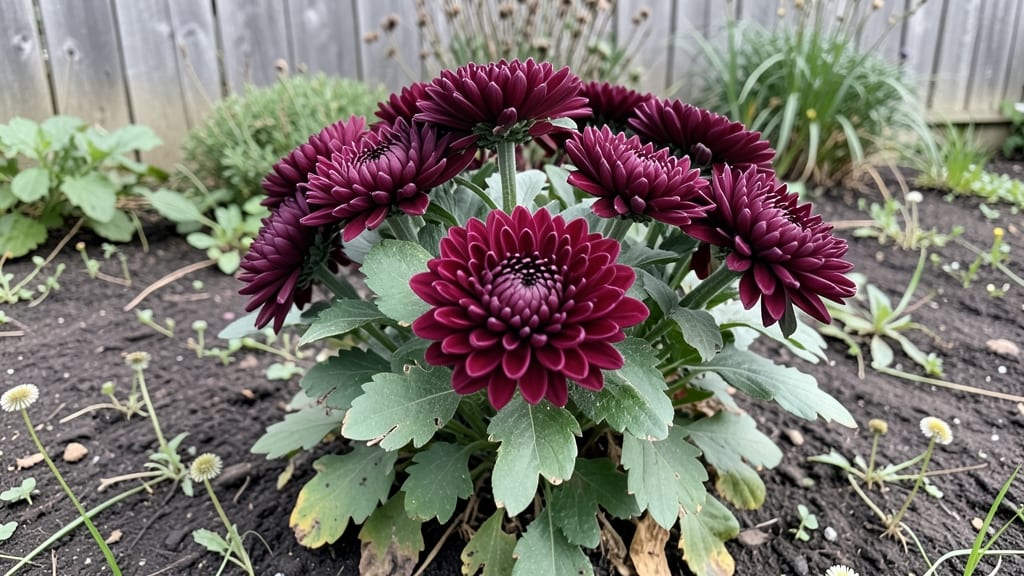
These hardy blooms actually prefer cooler temperatures, which is why they shine in autumn—colder nights slow their growth just enough to trigger vibrant, long-lasting flowers. 🌸 I’ve found that well-drained soil and morning sunlight (without harsh afternoon heat) help them thrive, while varieties like 'Autumn Joy' can even handle light frosts, extending their season well into December.
For container growers, choosing compact varieties like 'Pincushion' makes maintenance easier, while garden mums benefit from deadheading spent blooms to encourage new flowers. The key is balancing their love of cool air with protection from early frosts—just a few simple adjustments can turn your yard into a fall color show.
💡 In This Article
- Ideal Growing Conditions for Fall-Blooming Mums
- Top Mums Varieties for Seasonal Color and Care
Ideal growing conditions for fall-blooming mums
Fall-blooming mums thrive in cooler temperatures because their photosynthesis efficiency actually increases when nights dip below 65°F. This triggers a natural dormancy response that concentrates their energy into vibrant flower production rather than leaf growth.
The cooler weather also slows down fungal diseases, which is why mums often bloom more prolifically in autumn than in summer's heat. Think of it like a plant version of hibernation preparation—just enough stress to spark spectacular color! 🌿
For sunlight, mums need 6-8 hours of direct sun per day, but with a crucial caveat: they prefer morning sun and afternoon shade in hotter climates. This protects their delicate petals from scorching while still giving them enough light for photosynthesis.
In cooler regions, they can handle full sun all day. The key is avoiding afternoon heat spikes above 85°F, which can cause buds to drop before opening. I've seen mums in containers wilt dramatically when left in full afternoon sun, so positioning matters!
Soil pH between 6.0-6.5 creates the perfect balance for mum roots to absorb nutrients efficiently. These plants are heavy feeders and benefit from well-draining soil mixed with compost. The ideal texture should resemble crumbly cake batter—not too dense, but with enough structure to hold moisture without waterlogging.
Too acidic (pH 5.5) or alkaline (pH 7.0+) soils can stunt growth, leading to fewer blooms. A simple soil test kit can reveal your garden's pH in minutes!
Temperature ranges differ dramatically between planting and blooming stages. Young transplants need 55-65°F soil temperatures to establish roots, while established plants can tolerate light frosts (28-32°F) once buds form. The secret to extended blooming lies in protecting plants from early freezes (below 25°F) using frost cloths.
I've kept 'Autumn Joy' mums blooming until Christmas by covering them during hard freezes—just remember to uncover them during the day for sunlight access! ❄️
What most gardeners overlook is the importance of consistent moisture during the 4-6 weeks before blooming. Mums need about 1 inch of water per week, but they hate soggy roots. The best approach is deep watering at the base (not overhead) every 3-4 days, encouraging deep root growth.
Overhead watering can lead to mildew, which is why early morning watering gives leaves time to dry before evening humidity sets in.
Here's a quick visual guide for optimal conditions:
- Sunlight: 6-8 hours/day with afternoon shade in hot zones
- Soil: Well-draining with pH 6.0-6.5 and compost amendment
- Water: 1 inch/week at soil level, not overhead
- Temperature: 55-65°F for planting, 28-32°F tolerance when blooming
The science behind this works because mums are actually short-day plants—meaning they flower in response to decreasing daylight hours. This natural mechanism ensures they bloom precisely when days grow shorter in autumn.
Understanding this helps explain why mums planted too late might not flower until next year—they need that critical daylight reduction to trigger blooming! 🌅