
Vegetables
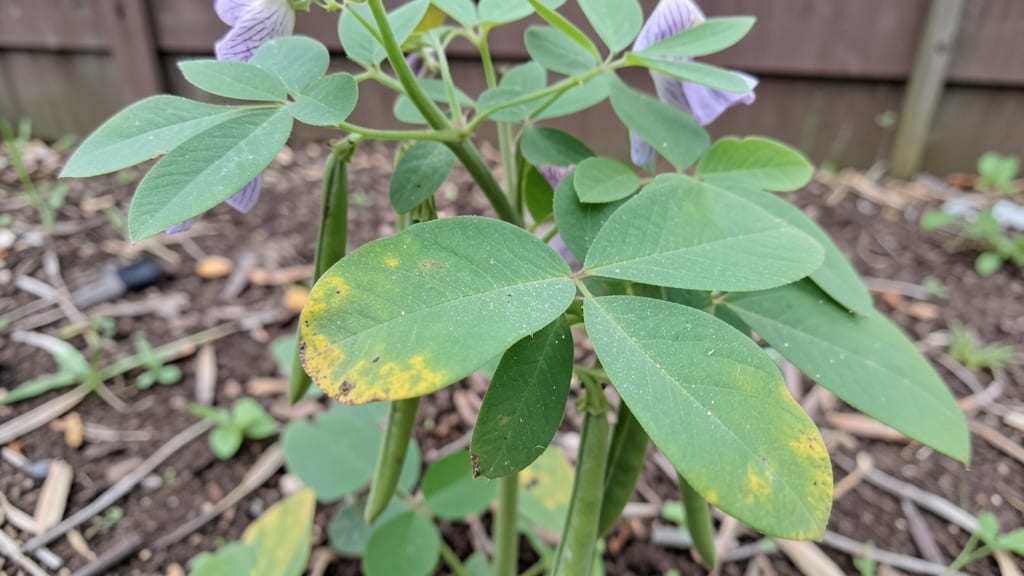
The mung bean flower you might overlook is actually a culinary treasure 🌱 — packed with flavor and nutrients, these delicate blooms are perfect for teas, salads, and garnishes.
Did you know these pretty, edible flowers aren’t just pretty—they’re packed with nutrients and perfect for teas, salads, and garnishes? Growing them is easier than you think, and this guide will show you exactly how to cultivate these edible blooms from seed to harvest.
If you’re planting in USDA Zone 6a, timing is everything: sow seeds in April or May for a summer harvest of both pods and flowers. The key is keeping them happy with full sun and well-drained soil—no fancy tricks, just consistent care.
By the time July rolls around, you’ll have clusters of fragrant flowers ready to pick. Whether you’re growing them for the garden or the kitchen, these blooms add a unique twist to your harvest—and your meals.
How to grow mung bean flowers from seed to edible blooms
Growing mung bean flowers is a rewarding way to add both beauty and nutrition to your garden. These delicate, edible blooms thrive in warm climates and can be harvested for teas, salads, or garnishes.
The key to success lies in understanding their light needs, soil conditions, and watering schedule. Unlike their seed counterparts, mung bean flowers require slightly different care to encourage abundant blooms.
With the right approach, you'll enjoy a bountiful harvest of these nutrient-rich flowers in just a few months.
Before diving into planting, it's essential to choose the right mung bean variety. Look for varieties like 'Berken' or 'Emerald'—these are known for producing abundant flowers alongside their pods. Start with organic seeds from a reputable supplier to ensure healthy growth.
If you're in a cooler climate, consider starting seeds indoors 6-8 weeks before the last frost date. This head start gives your plants a better chance to establish strong roots before transplanting outdoors.
Step-by-step guide to growing mung bean flowers:
Select a spot with full sun exposure (6-8 hours daily) and well-draining soil. Mung beans thrive in warm soil temperatures (at least 70°F). If your soil is heavy clay, amend it with compost or sand to improve drainage.
Test your soil's pH level (ideal range: 6.0-7.0). If needed, adjust with lime (to raise pH) or sulfur (to lower pH). Mix in 2-3 inches of compost to enrich the soil with nutrients. Avoid fresh manure, as it can burn young seedlings.
Sow seeds 1 inch deep and 2-3 inches apart in rows spaced 18-24 inches apart. For faster germination, soak seeds in warm water for 4-6 hours before planting. Thin seedlings to 4-6 inches apart once they reach 2 inches tall to give roots room to grow.
Keep soil evenly moist but not waterlogged. Water deeply in the morning to encourage strong root growth. During hot weather, increase watering to every 2-3 days. Avoid wetting the leaves to prevent fungal diseases like powdery mildew.
Use a balanced fertilizer (5-10-10) when plants are 4-6 inches tall. Apply 1 tablespoon per plant every 4-6 weeks during the growing season. Switch to a low-nitrogen, high-phosphorus fertilizer (like 10-20-10) when flowers begin to form to boost blooming.
Mung bean plants are vining plants that can grow up to 6 feet tall. Install trellises or stakes early to support their growth. Training vines upward improves air circulation, reducing the risk of diseases and making it easier to harvest flowers.
To maximize flower production, hand-pollinate plants if bees are scarce. Use a soft paintbrush to transfer pollen from one flower to another in the morning when blooms are fresh. This is especially helpful in greenhouse settings or during cool weather.
Pick fully open blooms in the morning for the best flavor and texture. Use clean scissors to snip stems just above a leaf node. Harvest regularly to encourage continuous flowering. Store fresh flowers in the fridge for up to 3 days or dry them for later use.
One of the most common issues when growing mung bean flowers is yellowing leaves. This often signals overwatering or nutrient deficiency. To fix this, reduce watering slightly and apply a balanced fertilizer.
If the yellowing is accompanied by brown spots, it may be a sign of fungal disease. Remove affected leaves and treat plants with a copper fungicide or neem oil solution.
Poor flowering is another challenge, often caused by inadequate sunlight or lack of pollination. Ensure your plants receive at least 6 hours of direct sun daily. If flowers aren't setting pods, try hand-pollinating as described earlier.
Additionally, avoid over-fertilizing with nitrogen, as this promotes leafy growth at the expense of flower production. Instead, focus on a phosphorus-rich fertilizer to encourage blooming.
With these steps, you'll be well on your way to growing lush mung bean flowers that are perfect for culinary use. Remember, patience and consistency are key—your efforts will be rewarded with a bountiful harvest of edible blooms that add both beauty and nutrition to your garden. Happy growing! 🌻
Nutritional benefits and culinary uses of mung bean flowers
The delicate mung bean flowers aren’t just ornamental—they’re a nutrient powerhouse packed with antioxidants, vitamins A and C, and minerals like calcium and magnesium. These tiny blooms offer a mild, slightly sweet flavor that pairs beautifully with both savory and sweet dishes.
Whether you’re harvesting them fresh or drying them for later use, their versatility makes them a must-have in your edible garden.
Beyond their culinary potential, mung bean flowers are rich in flavonoids and polyphenols, which support heart health and reduce inflammation. They’re also a low-calorie superfood, making them perfect for health-conscious gardeners looking to add a nutrient boost to their meals without extra calories.
Fresh flowers have a brighter, more floral taste, while dried versions develop a nutty, earthy depth.
For culinary creativity, try adding fresh mung bean flowers to green salads for a delicate floral crunch. Their petals also make stunning edible garnishes for soups or seafood dishes. Dried flowers release a warm, nutty aroma when steeped in hot water, perfect for herbal teas or infused oils.
Even desserts benefit from their subtle sweetness—sprinkle them over fruit tarts or mix into homemade granola.
When harvesting for culinary use, pick flowers in the morning after dew dries to preserve their freshness and flavor. Store fresh blooms in the fridge for up to 3 days, or dry them at 95°F (35°C) for 2-3 hours to extend shelf life.
Dried flowers keep their nutritional benefits longer and add a unique earthy depth to dishes you wouldn’t get from fresh ones.
One of my favorite ways to use them is in a mung bean flower-infused honey. Simply steep 1 cup of dried flowers in 1 cup of warm honey for 24 hours, then strain.
This golden elixir is perfect for drizzling over yogurt or toast. The floral notes complement both sweet and savory flavors beautifully, making it a versatile pantry staple.
If you’re new to using edible flowers, start with small batches to test your taste preferences. Some gardeners find the fresh flowers too delicate, while others love their bright, crisp texture.
Experiment with both forms to discover which you prefer—whether it’s the bright freshness or the deep dried richness. Your garden’s harvest can become a culinary adventure waiting to unfold! 🌷