
How To
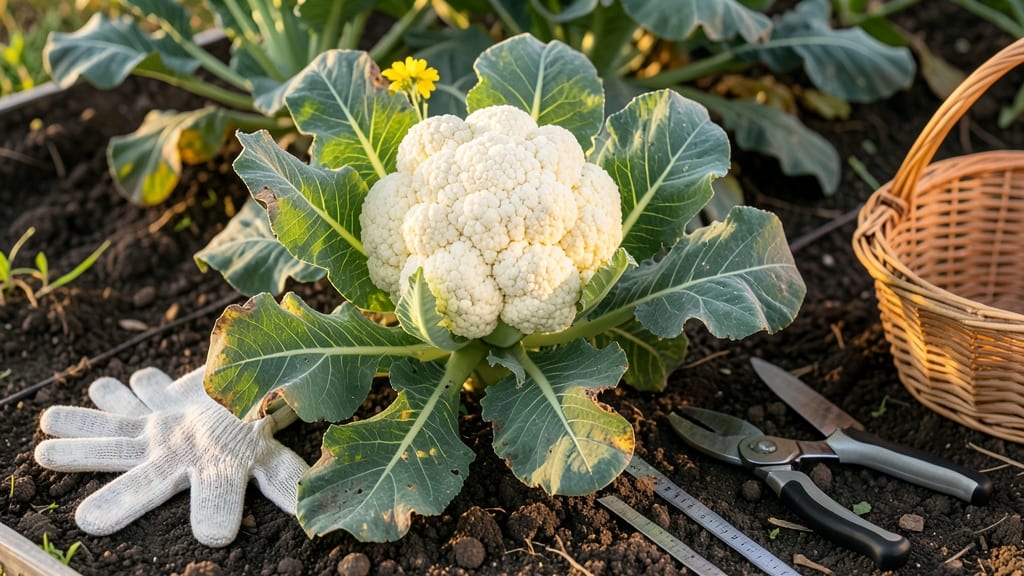
To know when cauliflower 🥬 is ready to pick, watch for a firm, compact head that’s fully formed and tightly wrapped in leaves—this is the golden window before bitterness sets in.
Picking too early means waiting weeks longer for harvest, while waiting too long risks yellowing or loose curds that turn woody. The key is catching it just right, when the head feels solid to the touch and the outer leaves stay snug.
In Zone 6a, most varieties reach this stage between June and August, depending on when you planted. I’ll walk you through the exact visual cues—like curd size, stem color, and leaf changes—to avoid common mistakes.
By the end, you’ll harvest perfect cauliflower heads every time, with tips to keep your plants productive for multiple cuts.


5 Key visual signs your cauliflower is ready for harvest
I’ve spent years watching cauliflower plants transform from tiny seedlings into towering heads—and the difference between a perfect harvest and a bitter disappointment often comes down to timing. The good news?
Your cauliflower will practically tell you when it’s ready, if you know what to look for. Miss these visual cues, and you might end up with woody, yellowing curds that taste like regret.
Harvesting at the right moment means firm, flavorful heads that store well and cook beautifully. But how do you know exactly when to grab your pruners? The answer lies in five clear visual signals that every successful cauliflower harvest has in common.
Let’s break them down so you can pick your crop at peak perfection.
- 1 Curd Firmness: Press the head gently with your thumb—it should feel solid and compact, like a tightly packed ball of cotton. If it gives slightly or feels spongy, it’s not ready yet. Overly firm curds mean it’s past prime.
- 2 Stem Color: The stem where the curd meets the plant should be shrinking and turning green. A thick, white stem means the head is still growing. Once it’s 1/4-inch thick or less and green, harvest time is near.
- 3 Leaf Changes: The outer leaves should still be tightly wrapped around the curd, but the lowest leaves will start yellowing and dying back. This is your plant’s way of saying, “I’m done growing here!”
- 4 Head Size: A ready cauliflower head is typically 6-8 inches in diameter. Smaller heads (under 5 inches) are usually underdeveloped, while larger ones may start splitting. Measure yours—if it’s in this range, it’s likely perfect.
- 5 Color Consistency: The head should be a uniform color (white, purple, orange, or green, depending on variety). Pale or uneven coloring means it’s not fully mature. Overripe heads may develop yellow or brown spots—a sure sign you waited too long.
Pro tip: Check your cauliflower heads every 2-3 days during the final weeks of growth. Morning inspections work best because cool temperatures help the curds firm up overnight. If you’re growing multiple varieties, keep a small notebook to track which plants hit these signs first—some hybrids mature faster than others.
One mistake I see often is waiting until the leaves start browning heavily or the head splits open. By then, the texture becomes woody and bitter, and the flavor suffers.
Trust the visual cues above, and you’ll harvest cauliflower that’s tender, sweet, and ready for the kitchen—or the garden freezer.
For varieties like Romanesco or Purple of Sicily, the color changes can be more dramatic. Purple cauliflower, for example, should deepen to a rich lavender hue before harvest. If you’re unsure, cut one head as a test—you can always replant if the rest aren’t ready yet.
Remember, patience is key. Rushing the harvest because the head looks big enough is a common rookie mistake. The tightness of the curd and the condition of the stem are your best friends here.
When all five signs align, grab your knife, cut about 1 inch below the curd, and enjoy the fruits of your labor.
Now that you’re armed with these visual checkpoints, your next cauliflower harvest will be nothing short of picture-perfect. And if you’re growing in containers, just scale these signs down slightly—dwarf varieties like Snowball Y Improved hit readiness faster but follow the same rules.
Happy harvesting! Your garden—and your taste buds—will thank you. 🥬
How to check cauliflower maturity without damaging the plant
When your cauliflower heads reach the perfect size, you’ll want to confirm maturity without causing stress to the plant. The key is using gentle methods that preserve its health for future harvests.
Start by examining the outer leaves—they should remain tightly wrapped around the head, showing no signs of yellowing or browning. This indicates the plant is still actively supporting the curd’s growth.
Next, focus on the stem flexibility near the base of the head. A mature cauliflower will have a slightly woody but flexible stem—press lightly with your thumb. If it gives slightly but doesn’t snap, the head is likely ready.
Avoid pressing too hard, as this can bruise the stem and invite pests like cabbage worms or aphids.
⚠️ Warning: Overhandling Damages Plants
Excessive touching or rough handling can stress cauliflower plants, causing heads to split or attract pests. Limit checks to 2-3 times per week and use clean, dry hands or tools to avoid spreading disease.
For a non-invasive test, use a small hand pruner to snip a single outer leaf near the base of the head. If the leaf pulls away cleanly without resistance, the head is likely mature.
This method also lets you inspect the inner leaf color—healthy leaves should be vibrant green, not discolored or wilted.
Another tool in your arsenal is a digital caliper or even a ruler. Measure the head’s diameter—most varieties reach 6-8 inches at maturity. If the head is smaller, it needs more time.
Larger heads may still be edible but often have a woody texture and bitter taste, so timing is everything.
Pay attention to the base leaves of the plant. When they begin yellowing and curling, it’s a clear sign the plant is redirecting energy to the head. This is your cue to harvest soon, as the head will stop growing and may start to deteriorate.
Remove any yellowed leaves gently with your fingers to avoid tearing the plant.
Finally, observe the overall plant health. A mature cauliflower should stand upright with no signs of wilting or pest damage. If the plant looks stressed—leaves drooping, stems weak—it’s better to wait a few more days.
Healthy plants yield the sweetest, most tender heads, so patience pays off in flavor and texture.
With these gentle techniques, you’ll harvest perfectly mature cauliflower without harming your plant. Now you’re ready to enjoy homegrown goodness or share your bounty with neighbors! 🥬