
Shrubs
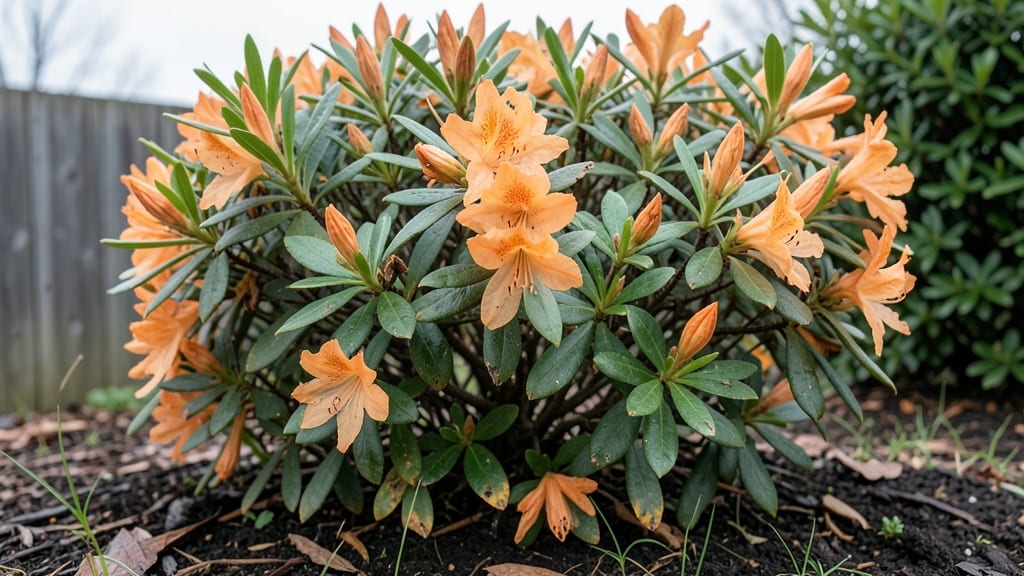
Growing an orange flowered azalea 🌸 means adding a pop of fiery color to your garden—but without the right care, those bold blooms won’t last.
Brighten your garden with stunning orange flowered azaleas—but keeping them vibrant year-round requires more than just planting them in the ground. I’ve watched mine struggle with dull blooms until I learned the soil secrets and seasonal tweaks that make all the difference.
These shrubs thrive in partial shade and acidic soil, but even small mistakes—like overwatering or skipping fall prep—can turn your azalea into a sad, leggy shadow of its former self.
In this guide, I’ll walk you through the exact steps to keep your orange azalea bursting with color, from planting to pruning, so you can enjoy those showstopping blooms for years.
Orange flowered azalea varieties and ideal growing conditions
Orange flowered azaleas bring vibrant color and year-round interest to gardens, but their success depends on matching the right variety to your climate and soil. These deciduous shrubs thrive in acidic conditions and partial shade, but not all orange cultivars have the same needs.
Let’s explore the top orange azalea varieties and their ideal growing conditions to help you choose the perfect fit for your landscape.
Whether you're drawn to the bold blooms of 'Girard’s Orange' or the compact form of 'Orange Princess', each variety has unique requirements for sunlight exposure, soil pH, and watering frequency.
Understanding these needs will ensure your azaleas bloom abundantly and stay healthy for years. Let’s dive into the specifics so you can create the perfect environment for these stunning shrubs.
For optimal growth, all orange azaleas require well-draining, acidic soil with a pH between 4.5 and 5.5.
If your soil is too alkaline, amend it with peat moss or sulfur to lower the pH. These plants also prefer consistent moisture—never let the soil dry out completely, but avoid waterlogging, which can suffocate roots.
Mulching with pine bark or pine needles helps maintain soil acidity and retain moisture.
The sunlight needs for orange azaleas vary slightly by variety, but most thrive in partial shade with 3-5 hours of morning sun. In hotter climates, afternoon shade is crucial to prevent leaf scorch.
If you’re planting in a full-sun location, ensure the soil stays consistently moist and provide afternoon protection with nearby trees or structures.
When selecting a variety, consider your USDA hardiness zone—some orange azaleas, like 'Girard’s Orange', tolerate colder zones (4-8), while others, like 'Orange Princess', prefer milder climates (5-9).
In warmer zones (9+), these shrubs may need afternoon shade to prevent heat stress. Always check the specific zone requirements for your chosen variety before planting.
One of the most important factors for vibrant blooms is proper pruning. Prune azaleas immediately after flowering to encourage new growth for next year’s blooms. Avoid heavy pruning in late summer or fall, as this can remove next year’s flower buds.
Use clean, sharp pruners to make cuts just above a bud or leaf node, and remove any dead or diseased branches to maintain plant health.
In container gardening, orange azaleas need slightly more frequent watering since pots dry out faster than in-ground plantings. Choose a large container with drainage holes and use a well-draining, acidic potting mix.
Fertilize container-grown azaleas every 4-6 weeks during the growing season with an acid-loving plant fertilizer (like 10-10-10 or 8-3-9) to keep them thriving.
To maximize blooms, feed your azaleas with an acidic, slow-release fertilizer in early spring as new growth emerges. Avoid fertilizing in late summer or fall, as this can stimulate tender new growth that won’t survive winter.
In cold climates (zones 4-6), mulch heavily around the base of the plant to protect roots from freezing temperatures. In warmer climates (zones 7-9), focus on keeping the soil moist and providing afternoon shade.
If you notice yellowing leaves, this could indicate overwatering, poor drainage, or alkaline soil. Adjust your watering routine, test your soil pH, and amend it if necessary. Brown leaf edges often signal underwatering or low humidity, especially in hot, dry climates. Mist the foliage
Step-by-step year-round care routine for orange azaleas
Your orange flowered azalea thrives with consistent seasonal care. Unlike many shrubs, azaleas demand attention year-round to produce those vibrant orange blooms you love. The key lies in balancing pruning, hydration, and soil maintenance—each season brings unique needs.
Let’s break down how to keep your azalea healthy from spring blooms to winter dormancy, ensuring it stays lush and full of color.
Start with spring preparation, where you’ll focus on pruning spent blooms and fertilizing to kickstart growth. Summer shifts to deep watering and pest monitoring, while fall is all about soil acidity checks and mulching.
Winter protection is critical—especially in colder zones—to shield roots from freezing. Each step builds on the last, creating a year-round care cycle that keeps your azalea flourishing.
🌸 Year-Round Orange Azalea Care Routine
-
🌱 Spring (March-May): Blooming Prep
- Prune spent blooms immediately after flowering to encourage new growth.
- Apply acidic fertilizer (10-10-10) in early spring to fuel blooming.
- Test soil pH—aim for 4.5-5.5—and amend with sulfur if needed.
-
☀️ Summer (June-August): Hydration & Pest Control
- Water deeply 2-3x/week, ensuring soil stays moist but not soggy.
- Monitor for azalea lace bugs or powdery mildew—treat with neem oil if spotted.
- Avoid pruning during summer—wait until fall to shape the shrub.
-
🍂 Fall (September-November): Fertilization & Mulching
- Apply a light fall fertilizer (half the spring dose) to strengthen roots.
- Mulch with pine bark (2-3 inches) to retain moisture and acidify soil.
- Prune dead or crossing branches to improve airflow and shape.
-
❄️ Winter (December-February): Protection & Dormancy
- Wrap young plants with burlap or use mulch blankets in Zone 6 or colder.
- Avoid fertilizing or pruning—let the plant rest for spring.
- Check for winter burn (brown tips) and trim affected areas in early spring.
One of the most common mistakes I see is over-pruning in spring, which can remove next year’s flower buds. Azaleas bloom on old wood, so prune only after blooming to preserve those vibrant orange flowers.
Another tip: potted azaleas dry out faster—check soil moisture daily in summer and move containers to shadier spots to prevent leaf scorch.
For extra-vibrant blooms, pair your azalea with companion plants like heuchera or ferns, which thrive in the same acidic soil. These plants also help retain soil moisture and deter pests.
If your azalea’s leaves turn yellow, it’s often a sign of overwatering or alkaline soil—test your soil and adjust with peat moss or sulfur if needed.
With this year-round routine, your orange flowered azalea will reward you with bold, healthy blooms for years. The secret? Consistency—stick to the seasonal tasks, and your azalea will thrive like a showstopper in your garden. 🌷