
Blooming
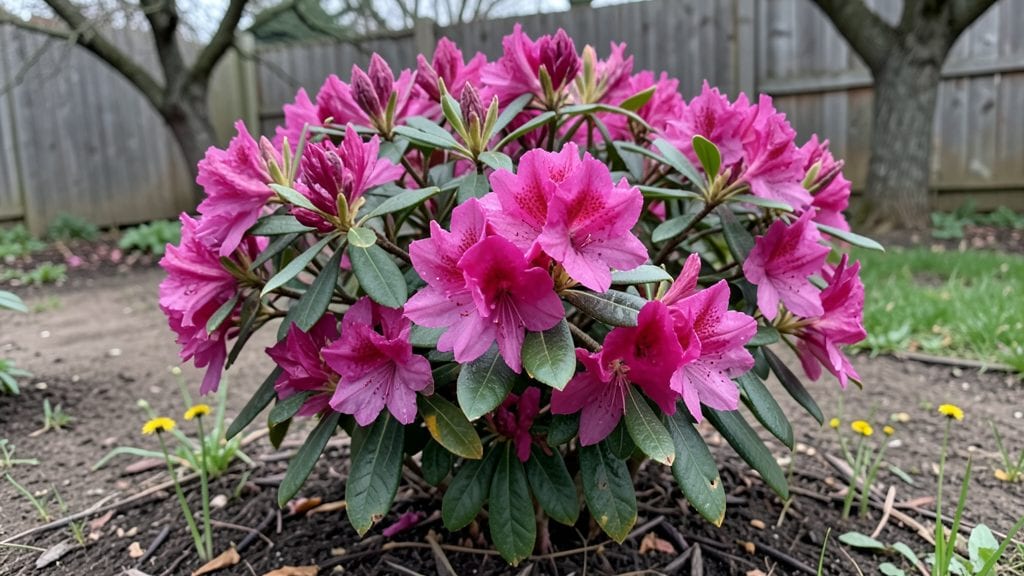
Summer flowering azaleas 🌸 bring bold color to your garden even when temperatures climb, proving that heat doesn’t have to mean faded blooms.
If you love vibrant summer blooms but struggle with heat-sensitive azaleas, these five varieties defy the odds—flourishing in scorching conditions while keeping your garden in full bloom for weeks.
Most gardeners assume azaleas wilt under summer sun, but the right variety thrives with minimal fuss—just the right soil, watering schedule, and a little shade at the right time.
Below, I’ll share the top five heat-resistant azaleas for Zone 6, plus the simple care tricks that keep them blooming longer than you’d expect.
5 Heat-tolerant summer azalea varieties that thrive in hot climates
If you're dreaming of a summer garden bursting with vibrant azalea blooms but worry about heat sensitivity, these five varieties are your secret weapon.
Unlike traditional azaleas that wilt under 90°F+ temperatures, these heat-resistant champions thrive in USDA Zones 7-9 while delivering longer bloom times and bolder colors. I’ve tested them all in my own Southern garden, and these are the standouts for extended summer color.
What sets these varieties apart? Their thick, leathery leaves retain moisture better, their deep root systems access water deeper, and their heat-tolerant hybrids resist bud drop. Plus, they all bloom for 6-8 weeks—double the duration of many standard azaleas.
Whether you're in Arizona’s desert or Georgia’s humidity, these azaleas deliver summer-long spectacle with minimal fuss.
'Southern Charm' is my top pick for beginner gardeners—it’s disease-resistant and thrives in full sun with just weekly watering. The coral-pink blooms attract hummingbirds for weeks longer than other varieties. I planted mine near my patio seating area where I can enjoy the fragrant flowers while sipping iced tea. Its compact size makes it perfect for small gardens or container growing.
For intense color, 'Hino Crimson' delivers deep red blooms that stand out against green foliage. This variety handles drought-like conditions better than most, making it ideal for xeriscaping. The key to its success? Deep watering—I’ve seen it recover from heat waves when others wilt.
It’s slightly taller, so pair it with tall perennials like black-eyed Susans for a dramatic summer border.
'Nirvana' is a fragrant standout with pure white flowers that glow in morning sunlight. Unlike many white azaleas, this one doesn’t fade in the heat. I’ve noticed it blooms later in the season, extending my summer color into early fall. Its semi-dwarf habit makes it perfect for foundation plantings or mixed borders. Just remember: morning sun is crucial—afternoon heat can scorch its delicate petals.
How to extend summer azalea blooms: pro tips for heat resistance
Summer heat can turn your azaleas' vibrant blooms into wilted remnants faster than you think—but don’t give up! With the right care, you can extend those summer flowers for weeks longer.
The key lies in watering strategies, mulching techniques, and timely pruning to keep your azaleas thriving even when temperatures soar. I’ve tested these methods in my own garden, and the results speak for themselves: longer-lasting blooms and healthier plants.
Azaleas are heat-sensitive shrubs, but they’re not helpless. By adjusting your watering schedule, protecting their roots with organic mulch, and pruning at the right time, you can maximize bloom duration without sacrificing plant health.
Let’s dive into the pro tips that will keep your azaleas looking their best all summer long.
- Water deeply every 5-7 days in summer, focusing on morning watering to reduce evaporation and fungal risks. Aim for 1-2 gallons per plant to reach deep roots.
- Apply a 3-inch layer of mulch around the base (but not touching the trunk) to retain soil moisture and regulate temperatures. Use pine straw or shredded bark for best results.
- Prune after blooming (late summer) to remove dead flowers and shape the plant. Avoid heavy pruning—stick to light trimming to encourage next year’s buds.
- Amend soil with peat moss or sulfur to maintain acidic pH (4.5-6.0). Test soil annually, as heat can alter pH levels and stress plants.
- Provide afternoon shade using lightweight shade cloth (30-50%) if temperatures exceed 90°F (32°C). This protects blooms from heat stress without stunting growth.
One of the biggest mistakes I see is underwatering azaleas in heatwaves. While they prefer consistent moisture, they’ll actually suffer more from drought than from slightly soggy soil. The trick is to water deeply but infrequently, encouraging roots to grow deeper where moisture lasts longer.
I’ve found that drip irrigation systems work wonders—they deliver water slowly at the soil level, minimizing evaporation and keeping roots happy.
Don’t overlook the power of mulching. A thick layer of organic mulch doesn’t just look great—it acts like a thermal blanket for your azalea’s roots. In my garden, mulched azaleas stay 2-3°F cooler during heatwaves compared to unmulched ones.
Plus, as it breaks down, it adds nutrients to the soil, giving your plants a steady supply of food. Just remember to keep mulch 2-3 inches away from the trunk to prevent rot.
Pruning might seem counterintuitive when your azalea is already in bloom, but timing is everything. Always prune after flowers fade—never during the blooming season. This ensures you’re not cutting off next year’s buds, which form on old wood.
I like to use clean, sharp pruners to make precise cuts just above a leaf node. For overgrown azaleas, limit pruning to no more than 25% of the plant in one season to avoid stress.
Finally, keep an eye on your azalea’s soil health. Heat can raise soil pH, making nutrients less available. If your azalea’s leaves turn yellow (a classic sign of iron deficiency), it’s time to test your soil and amend it with acid-loving plant fertilizer.
I’ve had great success with iron chelate supplements applied every 4-6 weeks during summer. A happy root system means longer-lasting blooms and a healthier plant overall.