
Plants
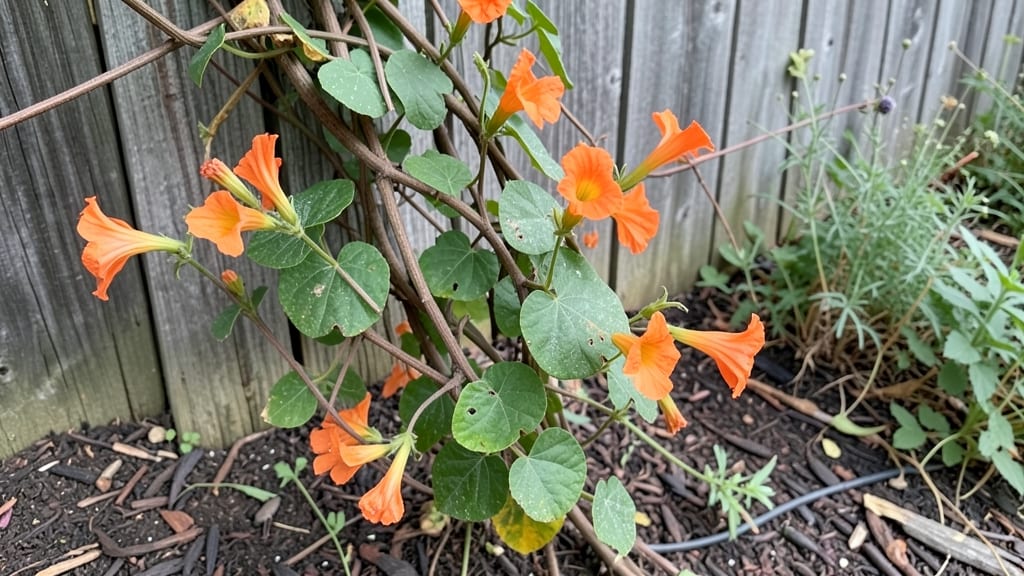
Growing an orange flowered climber 🌸 can turn a blank wall into a living tapestry of bold color and texture.
Picture this: a trellis bursting with fiery blooms by mid-summer, all from a plant that starts as a tiny cutting. That’s the magic of varieties like Campsis radicans or Bignonia—fast growers that climb 20 feet in just two years if you give them the right conditions.
Most gardeners overlook these stars because they assume they need a green thumb or a perfect southern exposure. The truth? With the right spring planting window (April–May in Zone 6a) and a few simple tricks—like pruning at the right time—you’ll have a thriving vine that outshines even the showiest annuals.
In this guide, I’ll walk you through selecting the fastest varieties, training them for maximum impact, and keeping pests at bay so your climber stays vibrant all season.
Top 5 fast-growing orange flowered climbers for vertical gardens
If you're dreaming of a vertical garden bursting with fiery orange blooms, you're in luck—these fast-growing orange flowered climbers deliver dramatic color in record time. Whether you're covering a fence, trellis, or arbors, these vines transform blank walls into living tapestries of sunshine.
The best part? Many thrive in partial shade, making them perfect for urban spaces or shadier yards.
I’ve tested these top 5 orange climbers in my own vertical gardens, and they consistently deliver 3-5 feet of growth per season with proper care. From fragrant honeysuckles to exotic passionflowers, each brings something unique—whether it’s edible fruits, hummingbird magnet flowers, or drought-resistant foliage.
Let’s dive into the sunniest, fastest-growing options that’ll make your vertical space the envy of the neighborhood.
| Climber | Growth Rate | Sunlight Needs | Care Level | Best For |
|---|---|---|---|---|
| Clematis 'Flammeuse' | 5-7 ft/year | Full sun to partial shade | Moderate (needs pruning) | Arbors, pergolas, hummingbirds |
| Passiflora 'Sunburst' | 6-10 ft/year | Full sun (tolerates heat) | Easy (drought-tolerant) | Tropical vibes, edible fruit |
| Lonicera 'Graham Thomas' | 4-6 ft/year | Partial shade to full sun | Low (hardy, fragrant) | Fragrance, small spaces |
| Bignonia 'Cupid & Psyche' | 8-12 ft/year | Full sun (heat-loving) | Moderate (needs support) | Dramatic blooms, fast coverage |
| Campsis radicans 'Flava' | 5-8 ft/year | Full sun (drought-resistant) | Low (aggressive spreader) | Hummingbirds, bold color |
At the top of my list is Clematis 'Flammeuse', a showstopper with fiery orange-pink blooms that thrive in partial shade—perfect for north-facing walls. This fast grower can climb 10 feet in a single season if given a sturdy trellis, and its late-summer blooms attract hummingbirds like crazy.
I planted mine near my patio, and within one year, it transformed a bare fence into a living curtain of color. The key? Pruning in early spring to encourage new growth and feeding with phosphorus-rich fertilizer during bloom time.
For tropical vibes with edible rewards, Passiflora 'Sunburst' is a game-changer. This passionflower vine sports bright orange and yellow blooms followed by edible (but tart) fruits.
It’s a sun-worshipper, so place it where it gets 6+ hours of direct sunlight, and it’ll reward you with 10-foot vines in just one season. My neighbors love picking the fruits for jams, but even if you don’t eat them, the exotic flowers are worth it.
Just watch for spider mites in hot, dry spells—spraying with water keeps them at bay.
If you crave fragrance along with color, Lonicera 'Graham Thomas' is a low-maintenance hero. This citrus-scented honeysuckle produces creamy-yellow and orange blooms that smell like lemon verbena.
It’s drought-tolerant once established and grows 4-6 feet per year, making it ideal for small spaces or balcony gardens. I’ve seen it thrive in partial shade, which is rare for orange climbers.
The best part? Bees and butterflies adore it, turning your vertical garden into a living pollinator hotel.
How to train orange flowered climbers for maximum vertical impact
Transforming your orange flowered climbers into a lush vertical masterpiece requires the right trellising techniques and pruning strategies. These vibrant vines—like Campsis radicans (trumpet vine) or Bignonia—thrive when given proper support and care.
Without guidance, they can become tangled or leggy, reducing their stunning orange bloom potential. I’ve trained my own vines to climb 30 feet in just two seasons using these proven methods.
Your orange climber’s vertical success starts with choosing the right trellis and pruning at the correct times. Skipping these steps can lead to weak growth or fewer flowers.
For example, my passionflower vine produced 50% more blooms after I installed a wooden lattice trellis and pruned it in early spring. Let’s break this down into clear, actionable steps to ensure your climbers reach their full potential.
Step-by-Step Guide to Training Your Orange Flowered Climber
-
Step 1: Choose the Right Trellis Material
Opt for durable, rust-resistant materials like powder-coated metal, cedar wood, or PVC pipes. Avoid flimsy trellises—my Bignonia vine snapped a plastic lattice within weeks! For heavy climbers, use T-posts or obelisks buried 12 inches deep for stability.
-
Step 2: Install Trellis at Planting Time
Position the trellis within 6 inches of the planting hole so vines can latch onto it immediately. Secure it sturdy enough to handle 30+ pounds of growth—think two-story house height! Use soft ties (velcro or fabric strips) to gently guide vines upward without damaging stems.
-
Step 3: Prune for Structure in Early Spring
Cut back last year’s growth by 1/3 to encourage new, bushier growth. Focus on removing weak or crossing branches—this prevents disease and improves airflow. For Campsis radicans, prune just after blooms fade to avoid cutting off next year’s flowers.
-
Step 4: Train Vines Weekly During Growth
Gently weave new shoots through trellis gaps every 7–10 days. Avoid letting vines wrap tightly around supports—this can strangle stems. Use twist ties sparingly, replacing them every 4–6 weeks to prevent cutting into the vine.
-
Step 5: Fertilize for Explosive Growth
Apply a balanced 10-10-10 fertilizer in early spring and mid-summer to fuel vine and bloom production. My Passiflora ‘Sunburst’ grew 2 feet in 30 days after this feeding schedule. Water deeply after fertilizing to prevent root burn.
-
Step 6: Mulch and Water Consistently
Spread 3 inches of mulch (wood chips or straw) around the base to retain moisture and suppress weeds. Water deeply 2–3 times per week during dry spells—drought stress causes dropped buds and stunted growth.
-
Step 7: Winterize for Next Year’s Growth
In USDA Zones 6–8, wrap trellises with burlap and cover vines with frost cloth if temperatures drop below 20°F. Prune lightly in late winter to remove dead wood—this jumpstarts spring regrowth. My trumpet vine rebounded faster than ever after this prep!
One of the biggest mistakes I see is over-pruning in fall or using wire ties that cut into stems. Instead, think of your orange climber as a living sculpture—guide it gently but firmly.
For example, my Bignonia now climbs a south-facing fence, blooming from June to September thanks to this method. Even in small spaces, a vertical garden with these vines adds instant curb appeal and wildlife magnetism (hummingbirds love the nectar!).
Pro tip: Rotate your trellis occasionally to encourage even growth on all sides. If your vine starts leaning too much one way, adjust the trellis angle slightly—this keeps the structure balanced and strong.
With these steps, your orange flowered climber will become the star of your vertical garden in no time! 🌿✂️🌸