
Flowers
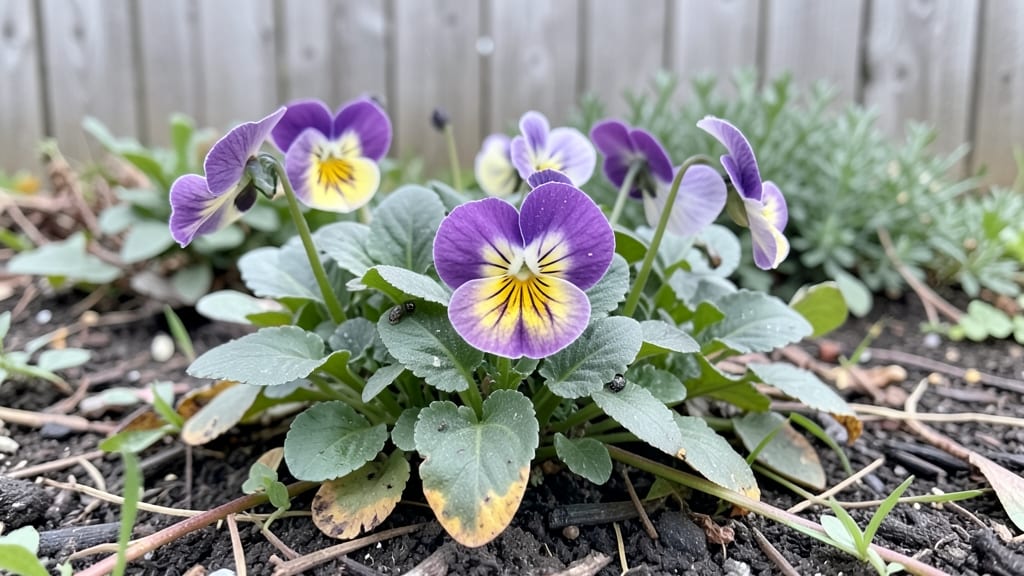
Fall flowers from pansies 🌸 bring a burst of color when summer blooms start fading, turning your garden into a cool-season masterpiece.
Picture this: summer’s golden hues give way to crisp air, and suddenly, your garden is alive with vibrant faces staring back at you from every bed. These aren’t just survivors—they’re thrivers, blooming boldly until frost paints the landscape white.
But here’s the catch: planting them too late or skipping soil prep can leave you with leggy, underwhelming blooms. The secret? Start in August or September, prep the soil right, and pair them with the perfect companions to keep them flourishing through October and November.
In this guide, I’ll walk you through the best cold-hardy varieties, soil tricks to beat frost, and how to keep them looking their best—so your garden stays a showstopper long after the heatwave fades.
Top 5 cold-hardy pansy varieties that bloom until frost
When selecting pansy fall flowers, choosing cold-hardy varieties ensures vibrant blooms even as temperatures dip. These frost-resistant pansies defy seasonal expectations, thriving in USDA zones 3-8 and often lasting until the first hard frost.
Their bright color palettes and compact growth make them perfect for autumn containers or garden borders.
My top picks focus on long-lasting blooms, disease resistance, and visual impact. Whether you prefer classic faces or ruffled edges, these varieties deliver year-round color with minimal care. Let’s explore their unique characteristics and visual distinctions for easy identification in your garden.
The Ice Palace variety stands out with its elegant white blooms and lavender accents, perfect for creating a frost-kissed garden. Its classic face and large blooms make it ideal for cut flowers or container gardens.
This variety thrives in USDA zones 3-8, making it one of the most versatile options for northern gardens.
For a bold statement, the Major Series delivers with its rainbow mix of colors. These ruffled petals add texture to your garden beds, and their long bloom duration ensures color from September to frost.
Plant them in full sun to partial shade for the best results, and watch them thrive in cooler temperatures.
The Rocket Series is my go-to for tall, dramatic pansies. Their deep purple and black hues create a moody contrast against autumn foliage. This variety is perfect for back-of-border plantings or tall containers, where their upright stems can shine.
They bloom later in the season, often outlasting other varieties.
If you prefer soft, romantic colors, the Sorbet Series offers pastel pinks and peaches that brighten fall landscapes. These compact pansies
How to extend pansy blooms through late fall and winter
Fall’s crisp air doesn’t have to signal the end of your garden’s vibrant display. With the right care, your pansies can continue blooming well into winter, adding color and life to chilly landscapes. The key lies in preparing them for cool temperatures and protecting them from harsh winds.
I’ve learned that soil prep, mulching, and smart watering make all the difference in extending their bloom time.
Start by selecting cold-hardy pansy varieties like 'Ice Palace' or 'Major Series,' which thrive in temperatures down to 20°F (-7°C). These varieties are bred to withstand frost, but they still need your help to stay healthy.
Proper plant spacing and companion plants can shield them from wind damage, while a thick layer of mulch insulates roots from temperature swings. Let’s dive into the steps that will keep your pansies looking their best all season long.
🌱 Pro Tip for Pansy Longevity
Plant pansies in well-draining soil enriched with compost to improve root health. A 3-inch layer of mulch (straw or shredded leaves) around the base keeps roots insulated and retains moisture. For extra protection, place them near windbreaks like shrubs or fences.
Before the first frost, amend your soil with organic matter like compost or aged manure. This improves drainage and nutrient availability, which is crucial for root development in cooler weather.
Pansies prefer slightly acidic soil with a pH of 5.8 to 6.5, so test your soil and adjust if needed. A balanced fertilizer (like 5-10-10) applied in early fall gives them a nutrient boost for prolonged blooming.
Spacing plays a critical role in winter survival. Plant pansies 8 to 12 inches apart to allow airflow, reducing the risk of fungal diseases like powdery mildew. Overcrowding can lead to weak stems and poor circulation, making them more susceptible to cold damage.
If you’re planting in containers, choose larger pots (at least 6 inches deep) to accommodate root growth and improve stability against winds.
Watering pansies in fall requires a delicate balance. While they need consistent moisture, overwatering can lead to root rot in cold soil. Water deeply every 5 to 7 days, focusing on the base of the plant.
Early morning watering prevents moisture from lingering on leaves, which can freeze and damage foliage. As temperatures drop below 32°F (0°C), reduce watering slightly to mimic their natural dormancy period.
Choose companion plants that complement pansies and offer additional protection. Low-growing plants like sweet alyssum or cabbage can act as living mulch, while taller plants like rosemary or lavender create windbreaks.
These pairings not only enhance your garden’s aesthetic but also create a microclimate that shields pansies from harsh winds and frost.
With these strategies, your pansy fall flowers will continue to thrive, turning your garden into a winter wonderland of color and resilience. The effort you put in now will pay off with long-lasting blooms that keep your outdoor space vibrant until the first signs of spring. Happy gardening! 🌷