
Shrubs
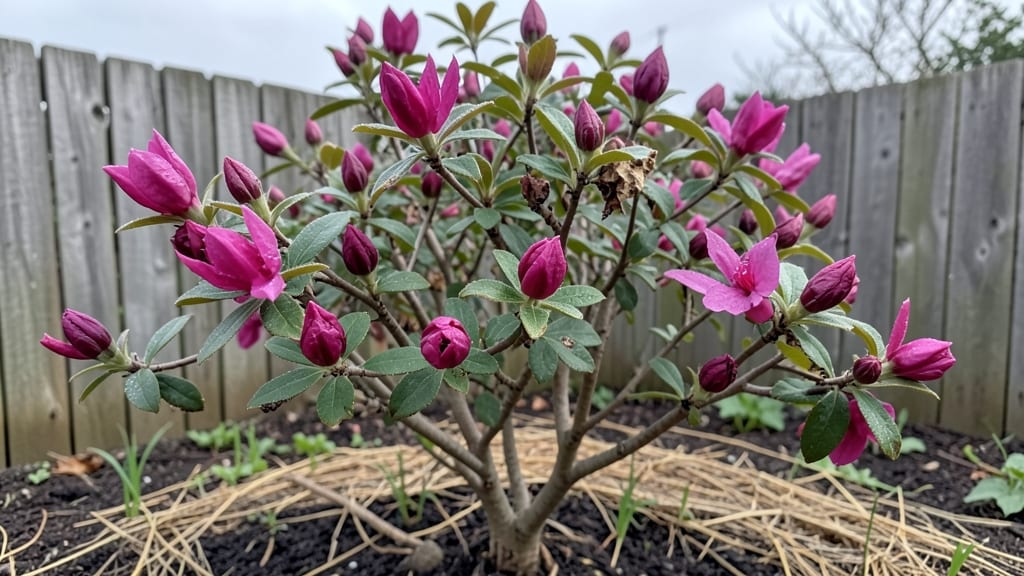
The peach flowering quince 🌸 delivers year-round color with minimal effort—its fragrant blooms appear in late winter, and with the right care, they’ll keep coming until frost.
If you dream of a garden bursting with vibrant blooms without seasonal replanting, this hardy shrub is your answer. Unlike finicky annuals, the peach flowering quince thrives in USDA Zone 6a and beyond, demanding little more than proper planting in fall (September–November) and occasional pruning.
Beyond its stunning spring flowers, this shrub offers edible fruit and a tidy shape perfect for hedges. But its true magic lies in the pruning secrets that unlock nonstop blooms—something most gardeners miss until it’s too late.
In this guide, I’ll walk you through when and how to prune for maximum flowers, seasonal care tips, and why this shrub outperforms other flowering plants in low-maintenance gardens.
Peach flowering quince pruning guide: when, how, and why to trim for maximum blooms
Pruning your peach flowering quince isn't just about keeping it tidy—it's the secret to year-round blooms and a healthier shrub. Unlike many plants that bloom on new wood, this quince thrives when you prune old wood in late winter or early spring.
This timing encourages abundant spring flowers and maintains its compact, ornamental shape. Skipping pruning? You might miss out on those fragrant pink or red blossoms that make this shrub a garden star.
Before you grab your shears, know that wrong pruning timing or aggressive cuts can stress your quince, leading to fewer blooms. The key is patience and precision. We’ll break down the exact when, how, and why to prune, so you can enjoy nonstop color from early spring through winter.
Let’s get started with the foundational steps every gardener should follow.
Step-by-Step Pruning Guide for Peach Flowering Quince
-
Step 1: Prune in Late Winter/Early Spring
Trim old wood (last year’s growth) before buds swell. Aim for February to March in most USDA zones. This encourages spring blooms on old wood.
-
Step 2: Remove Dead or Diseased Branches
Cut out any dead, crossing, or weak branches first. Use sterilized pruners to prevent spreading disease. Focus on 1/3 of the shrub’s height for balance.
-
Step 3: Thin Out Overcrowded Areas
Look for overlapping branches or those growing inward. Remove 1-2 branches per cluster to improve airflow and light penetration. This reduces pest and fungal risks.
-
Step 4: Shape the Shrub for Balance
Prune to maintain a natural, rounded shape. Avoid cutting back more than 1/3 of the plant at once. Focus on outer branches to encourage a fuller form.
-
Step 5: Deadhead Spent Blooms in Summer
After flowers fade, snip off spent blooms to redirect energy to new growth. Use clean pruners and cut just above a leaf node. This encourages late-summer or fall blooms.
-
Step 6: Rejuvenate Old Shrubs with Renewal Pruning
For overgrown quince older than 5 years, prune back 1/2 to 2/3 of the plant in late winter. This stimulates new growth and revives blooming. Expect fewer flowers the first year but a stronger plant long-term.
-
Step 7: Clean Up and Sterilize Tools
After pruning, sterilize shears with rubbing alcohol. Remove all pruned debris from the base to prevent disease buildup. Store tools in a dry place for next season.
Timing is everything when pruning peach flowering quince. If you prune at the wrong time, like after spring blooms or during dormancy, you risk losing next year’s flowers.
For example, cutting back in summer removes next year’s bloom buds, which form on old wood. Always prune before buds swell—this is your golden window for maximum blooms.
Your tools matter just as much as your technique. Use sharp, bypass pruners for clean cuts, and avoid dull shears that tear branches. For thicker branches, grab a pruning saw.
Sterilizing tools between cuts prevents bacterial or fungal spread, keeping your quince healthy. Pro tip: Keep a small bottle of rubbing alcohol handy to wipe down tools mid-prune.
One of the biggest mistakes gardeners make is over-pruning. Cutting back too much—especially in one season—can stress the plant and reduce blooms. Aim to remove no more than 1/3 of the plant’s height in a single year.
For rejuvenation pruning, spread cuts over 2-3 years to avoid shocking the quince. Patience pays off with vibrant, long-lasting flowers.
Did you know that peach flowering quince can bloom year-round with the right care? While spring is its peak, proper summer deadheading and winter shaping can coax blooms in fall and even winter in mild climates.
The secret lies in balancing old and new growth. By pruning old wood in winter and deadheading in summer, you create a cycle that keeps your quince flowering nonstop.
If your quince isn’t blooming as expected, check your pruning habits. Are you cutting back too late in spring? Did you skip deadheading in summer? These oversights can starve the plant of energy needed for flowers.
Start fresh this season by following the step-by-step guide above, and you’ll be rewarded with lush, fragrant blooms that turn heads all year.
For extra-long blooms, consider adding a layer of mulch after pruning. Mulch helps retain moisture and nutrients, reducing stress on the plant. Use organic mulch like wood chips or straw, keeping it 2-3 inches away from the trunk to prevent rot.
This simple step can boost flower production and keep your quince thriving for decades.
Seasonal care calendar for peach flowering quince: sunlight, soil, and watering secrets
The peach flowering quince (Chaenomeles speciosa) rewards gardeners with vibrant blooms and edible fruit when given the right seasonal care. Unlike many shrubs, it thrives with minimal fuss—but timing is everything.
From spring pruning to winter dormancy, each season demands a tailored approach to sunlight, soil, and water. Let’s break down the month-by-month essentials to keep your quince flourishing year-round.
Your quince’s sunlight needs shift slightly with the seasons. While it loves full sun (6+ hours daily), summer afternoons can scorch tender new growth in hot climates. Adjusting mulch depth and watering frequency prevents stress.
Meanwhile, soil pH between 6.0–7.0 ensures nutrient uptake, while well-draining soil prevents root rot—a common pitfall for overwatered shrubs. Let’s dive into the seasonal checklist that keeps your quince blooming like clockwork.
| Season | Sunlight | Watering | Soil Care | Fertilizer |
|---|---|---|---|---|
| Spring (Mar-May) | 6+ hours full sun | Deep water weekly | Test pH 6.0–7.0; add compost | Light feed after pruning |
| Summer (Jun-Aug) | Morning sun; afternoon shade | Every 5–7 days; mulch | Keep soil moist; avoid compaction | Feed every 4–6 weeks |
| Fall (Sep-Nov) | 5–6 hours sun | Bi-weekly; reduce water | Add organic mulch | No fertilizer |
| Winter (Dec-Feb) | Dormant; minimal sun | Monthly deep water | Protect roots with mulch | None; plant rests |
In spring, your quince wakes up hungry for nutrients after winter. After pruning, apply a light fertilizer (10-10-10) to fuel new growth. Water deeply weekly to encourage root expansion, but avoid soggy soil—root rot is the enemy.
Test your soil’s pH level; if it’s too acidic (<6.0), mix in lime to balance it. Mulch with wood chips to retain moisture and deter weeds.
Summer brings peak blooming season, but heat stress can wilt flowers. Provide afternoon shade if temps exceed 90°F, and water every 5–7 days. A 3-inch mulch layer locks in moisture and cools roots.
Prune spent blooms to redirect energy to new flowers. Drought tolerance improves with age, but young quince need consistent care—skip the overhead watering to prevent fungal diseases like powdery mildew.
As fall arrives, reduce watering to bi-weekly and halt fertilizing. The quince prepares for dormancy, so focus on cleaning up debris around the base to prevent pests. Apply a thick mulch layer (4–6 inches) to insulate roots from freezing temps.
This is also the perfect time to plant new quince—cool soil encourages root growth without stress.
Winter care is minimal but critical. Water monthly if the ground isn’t frozen, and avoid pruning unless dead branches threaten the plant. Protect young quince from harsh winds with burlap wraps.
Even in dormancy, your quince’s roots stay active—never let soil dry out completely. With these adjustments, your quince will burst into spring blooms brighter than ever.