
Trees
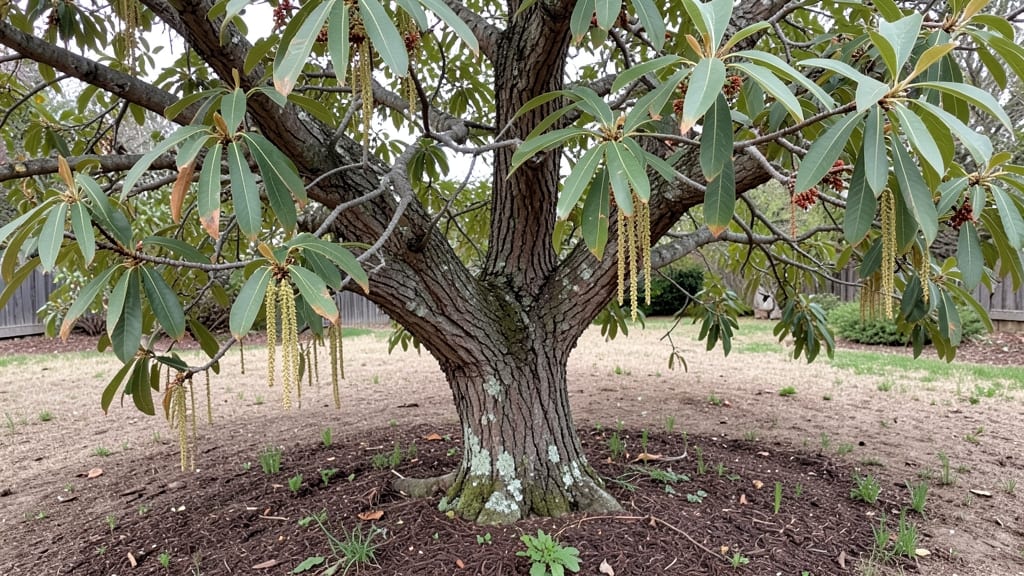
Pecan tree flowering reveals whether your 🌳 will bear nuts this year — and getting it right means knowing the difference between male and female blooms.
Did you know pecan trees produce two distinct types of flowers—male and female—and timing their bloom is key to a bountiful harvest? Understanding when and how to identify these blooms can transform your pecan tree care from guesswork to precision.
In USDA Zone 6, flowering typically kicks off in late winter to early spring, but a late frost can wipe out those delicate blooms before they even set fruit.
The male flowers (long, dangling catkins) appear first, followed by the female flowers (tiny, tight clusters), and their timing tells you everything about next year’s harvest.
Below, I’ll show you exactly when to expect blooms in your region, how to tell the flowers apart, and the 3 simple steps to protect them from frost and pests for maximum nut production.
When do pecan trees flower? Seasonal timing for optimal blooming
Pecan trees typically burst into bloom during late winter to early spring, a critical window that determines your tree's nut production potential.
For most regions in the Southern U.S. (USDA Zones 7-9), flowering peaks in February to March, while northern zones like Zone 6 may see blooms slightly later, around March to April.
This timing aligns with the tree's need to avoid late frosts, which can devastate delicate female flowers and reduce yields.
The exact bloom window depends on temperature accumulation—pecan trees require chilling hours (300-600 hours below 45°F) to trigger flowering. Warmer winters can delay blooms, while cold snaps may push them earlier. Understanding your local climate helps you prepare for bloom season and protect your tree from frost damage.
| Region | Bloom Window | Key Conditions | Temperature Needs |
|---|---|---|---|
| Southern U.S. (Zones 7-9) | Late February - Early March | Warm days, minimal frost risk | 50-75°F during bloom |
| Central U.S. (Zones 6-7) | March - Early April | Moderate chilling, frost watch | 40-65°F during bloom |
| Northern U.S. (Zones 5-6) | April - Mid-April | Cooler temps, higher frost risk | 35-55°F during bloom |
| Young Trees (<5 years) | Sparse or delayed blooms | Focus on root growth | Not temperature-sensitive |
| Mature Trees (10+ years) | Late February - Late March | Abundant male & female flowers | Optimal chilling achieved |
Male flowers, or catkins, appear first and are yellow-green and dangling. These pollinate female flowers, which look like tiny red or purple buds clustered near branch tips.
Both flower types are sensitive to temperature fluctuations, so monitoring local forecasts helps you protect blooms from frost—a single night below 28°F can kill female flowers entirely.
In warmer climates, pecan trees may produce two bloom cycles per year, with a secondary flush in late spring. However, this is rare and often results in smaller, lower-quality nuts.
For consistent yields, focus on supporting the primary winter-to-spring bloom with proper watering and fertilization during the prior growing season.
If your tree skips blooming entirely, it may be too young (most pecans don’t flower until 5-7 years old) or stressed by drought, poor soil, or pests.
Addressing these issues in fall or early spring can encourage stronger blooms the following year. For example, deep-root fertilization in late winter provides the nutrients needed for flower development.
Regional variations matter—Texas pecan trees often bloom 2-3 weeks earlier than those in Georgia or Alabama due to warmer winters. Use your last frost date as a guide: plant cold-hardy varieties like 'Pawnee' or 'Wichita' in northern zones, while 'Desirable' or 'Cape Fear' thrive in the South.
Always check local agricultural extensions for region-specific bloom forecasts.
Protecting blooms from late frosts is critical. Use frost cloths or sprinkler systems to raise temperatures by 5-10°F during critical bloom periods. Even a single frost can reduce yields by up to 50%, so stay vigilant.
For container-grown pecans, move pots to sheltered locations or cover them with burlap sacks on cold nights.
After flowering, focus on post-bloom care: deep watering (15-20 gallons per tree) and light pruning to improve air circulation. Female flowers will develop into tiny pecans by late spring, so avoid heavy pruning during this time.
By understanding your tree’s bloom cycle, you can maximize yields and enjoy a bountiful harvest.
Remember, patience is key—young pecan trees may take 3-5 years to produce meaningful blooms. During this time, prioritize root development and soil health to set the stage for future flowering success. With the right care, your pecan tree will reward you with
How to identify male vs female pecan tree flowers: key differences
Pecan trees produce two distinct flower types—male and female—that play crucial roles in fruit production. The male flowers, called catkins, release pollen, while the female flowers develop into pecans.
Recognizing these differences helps you optimize pollination success and maximize your harvest. Each type emerges at slightly different times, making early identification essential for gardeners.
Male flowers appear first as long, dangling catkins that resemble yellowish-green strings. These catkins release pollen in early spring, often before female flowers open. Female flowers, on the other hand, are small, tight clusters that develop later and require pollen from male flowers to form nuts.
Understanding these visual and temporal differences ensures you support your tree’s reproductive process effectively.
Male vs Female Pecan Tree Flowers: Roles in Fruit Production
Male Flowers (Catkins)
- ✅ Produces pollen for fertilization
- ✅ Appears earlier in spring
- ✅ Long, dangling clusters
- ✅ No fruit development
Female Flowers
- ✅ Develops into pecan nuts
- ✅ Appears later than male flowers
- ✅ Tight clusters near branches
- ✅ Requires pollen for fertilization
Balancing both flower types ensures optimal pollination and nut production in your pecan tree.
Male flowers, or catkins, are typically 3-6 inches long and hang from branches like pendant strings. They release pollen in early spring, often before female flowers emerge. This timing is critical because female flowers need pollen to develop into pecans.
If male flowers are absent or damaged, female flowers won’t produce fruit, leading to a poor harvest.
Female flowers, on the other hand, are small and compact, often found in tight clusters near branch tips. They appear 2-3 weeks after male flowers and require pollen to fertilize. Without cross-pollination from male flowers, these female blooms will wither without forming nuts.
This is why planting multiple pecan trees or ensuring nearby male trees is essential for a successful crop.
To maximize fruit production, monitor your tree’s flowering cycle closely. If you notice fewer male flowers, consider planting a pollinator variety nearby. Conversely, if female flowers dominate but lack pollen, your tree may struggle to produce nuts.
Understanding these differences allows you to intervene early—whether by adding pollinator trees or protecting flowers from frost damage.
Pro tip: Use a hand lens to inspect flowers up close. Male catkins will show visible pollen sacs, while female flowers will appear as tiny, rounded buds. This close observation helps you track the tree’s reproductive health and plan for better yields in future seasons.