
Blooming
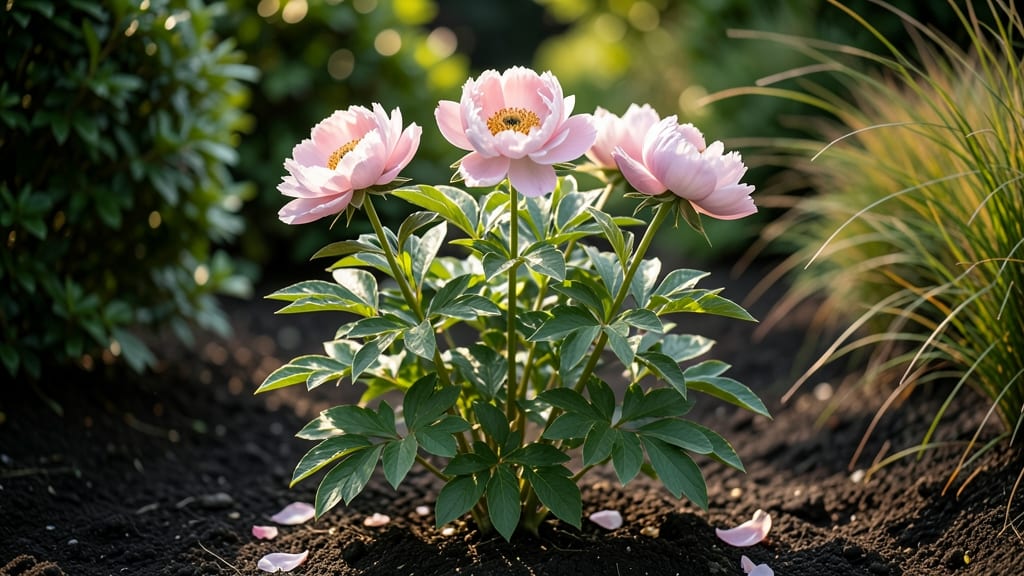
Peonies flower in late spring to early summer 🌸, turning gardens into bursts of color that last weeks—but only if you time your care just right.
Picture this: you’ve waited all year for those lush, fragrant blooms, only to blink and miss the 2-3 week window when they’re at their peak. That’s the magic—and the frustration—of peony flower time.
The good news? With the right knowledge, you can extend their beauty, adjust for your climate, and even coax a second round of blooms later in the season.
From USDA Zone 6a to warmer regions, bloom timing shifts based on variety, sunlight, and soil health. Early bloomers may pop in May, while late varieties hold on until June.
But here’s the secret: it’s not just about when they flower—it’s about how you prep them before and care for them after to guarantee next year’s show.
In this guide, I’ll break down the exact months peonies bloom in your area, how to stretch their vase life, and the simple adjustments that turn one season’s blooms into a year-round garden highlight.
Peony bloom time by season: exact months and climate zones
Peonies are famous for their show-stopping spring blooms, but their exact flowering window depends heavily on your USDA hardiness zone and peony variety.
While most gardeners associate peonies with late spring, some varieties bloom as early as April in warm zones or as late as August with reblooming types. Understanding these timelines helps you plan your garden layout and care schedule for maximum impact.
Traditional herbaceous peonies (the most common type) typically flower in late May to early June across most of the U.S., but tree peonies and intersectional hybrids can extend this window.
Even within the same zone, early bloomers like 'Sarah Bernhardt' might appear weeks before late bloomers such as 'Bowl of Beauty'. Let’s break down the exact months by zone and variety type.
In cooler zones (3-4), peonies often wait until late May or early June to bloom because they need consistent 50°F+ soil temperatures to trigger flowering.
Varieties like 'Coral Charm' are early bloomers that can push buds open as soon as soil warms to 55°F, while 'Bowl of Beauty' prefers to wait until full spring warmth arrives.
Gardeners in warmer zones (7-8) enjoy a longer bloom window, sometimes starting as early as April with 'Bartzella' or extending into early July with 'Krinkled White'. The key difference? Cooler nights in these zones delay bud opening until daytime temperatures consistently reach 70°F+.
If you’re in Zone 8 and notice buds forming but not opening, it’s likely due to heat stress—provide afternoon shade to protect them.
For reblooming peonies (like 'Sarah Bernhardt' or 'Coral Charm'), the magic happens twice: once in late spring and again in late summer (August). These varieties require full sun exposure and consistent moisture to produce a second flush of blooms.
The trade-off? They need regular deadheading after the first bloom to encourage the second round.
Sunlight plays a critical role in bloom timing. Peonies planted in partial shade (less than 6 hours of sun) will bloom 2-3 weeks later than those in full sun.
If your garden has morning sun and afternoon shade, expect blooms to shift toward late May or June instead of April. Conversely, south-facing beds with full sun exposure can trigger early blooms in Zone 5 as soon as mid-May.
Climate also affects bloom duration. In humid regions (like the Southeast), peonies often wilt faster due to fungal pressure, while dry climates (like the Southwest) can cause buds to abort if soil dries out.
The ideal balance is consistent moisture without soggy soil. I’ve found that mulching with 2-3 inches of compost helps maintain even soil temperatures, which directly impacts bloom timing.
Pro tip: If you want to extend your peony season, plant a mix of early, mid, and late bloomers. For example, pair 'Bartzella' (April) with 'Sarah Bernhardt' (May + August) and 'Duchesse de
How long do peony flowers last? Extending bloom duration naturally
Peony flowers typically bloom for 7 to 10 days per individual flower, but with the right care, you can stretch that to 2-3 weeks for the entire plant. The key lies in understanding their natural lifecycle and how environmental factors—like heat, humidity, and soil health—affect their longevity.
Reblooming varieties, like 'Sarah Bernhardt', often outperform single-bloom types by producing multiple flushes of flowers throughout the season.
Hot climates can drastically shorten bloom time, causing petals to wilt within 3-5 days due to rapid moisture loss. In contrast, cooler regions with moderate temperatures (60-75°F) allow peonies to showcase their full beauty for 10+ days per bloom.
The secret? Mimicking their native growing conditions—well-draining soil, consistent moisture, and afternoon shade in intense heat.
- 1. Deadhead daily – Remove spent blooms immediately to redirect energy to new buds.
- 2. Water deeply – 1-2 inches per week at soil level (avoid wetting foliage).
- 3. Mulch heavily – 3-4 inches of organic mulch retains moisture and regulates root temperature.
- 4. Prune strategically – Cut back after blooming (never before) to avoid next year’s buds.
- 5. Fertilize lightly – Use high-phosphorus fertilizer (5-10-10) in early spring only.
Reblooming peonies, like 'Bowl of Beauty', can produce two distinct bloom cycles: the main spring display and a smaller late-summer rebloom (July-August). To encourage this second flush, avoid heavy pruning and ensure consistent watering and sunlight.
Single-bloom varieties, such as 'Kansas', focus all their energy on one spectacular spring show, making their 7-10 day bloom even more precious.
If your peonies wilt faster than expected, check for overwatering or poor drainage—both can cause root rot and premature death. Amend clay-heavy soil with compost or sand to improve aeration, and avoid planting in low-lying areas where water pools.
A well-draining raised bed can extend bloom time by 30-50% in heavy-soil regions.
For cut flowers, harvest peonies when buds are just beginning to unfurl (about 25% open). Place stems in cool water immediately and recut the stems every 2-3 days to maximize vase life.
With proper care, your cut peonies can last 5-7 days indoors, rivaling the longevity of their garden counterparts.
Pro tip: Plant peonies near late-blooming perennials, like black-eyed Susans or Russian sage, to create a season-long color show. This not only extends your garden’s visual appeal but also protects peony stems from wind damage, which can shorten bloom duration.