
Flowers
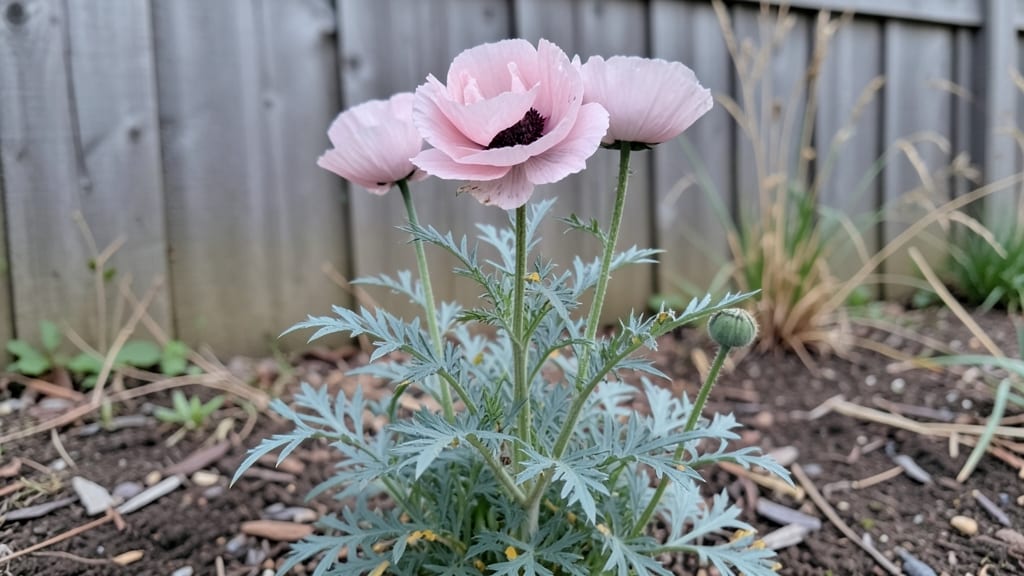
Growing a peony flowered poppy 🌸 transforms your garden into a springtime masterpiece with its velvety blooms and delicate petals.
Picture this: bold, papery flowers in shades of pink, red, and white bursting from your garden beds, drawing admiring glances from neighbors.
This isn’t just any poppy—it’s a rare hybrid that blends the romance of peonies with the wild charm of poppies, yet it’s far easier to care for than you’d expect once it’s settled in.
If you’re in USDA Zone 6a, you’ve got the perfect climate for these showstoppers, but getting them right takes more than just sticking seeds in the ground.
The right soil, timing, and a few smart tricks can mean the difference between a few sad blooms and a garden full of drama.
In this guide, I’ll walk you through everything from planting in early spring to keeping those blooms vibrant all season—plus, how to outsmart pests and slugs before they ruin the show.
Peony flowered poppy identification and key growing conditions
Spotting a peony flowered poppy (Meconopsis betonicifolia) in your garden is like discovering a rare treasure. Its ruffled, peony-like blooms in vibrant pinks, blues, and whites set it apart from classic poppies.
These alpine perennials thrive in cool, moist climates, making them perfect for USDA zones 3–7 where summers stay mild. Unlike traditional poppies, they return year after year, rewarding patient gardeners with late spring to early summer drama.
This hybrid’s delicate foliage and papery petals resemble peonies, but its self-seeding habit and slender stems (1–2 feet tall) scream poppy. Confused? The key is their cool-season love—they wilt in hot, humid summers if not given shade.
Their slightly acidic, moist-but-drained soil is another dead giveaway, unlike peonies that prefer richer, neutral soil.
| Trait | Peony Flowered Poppy | Common Poppy | Peony |
|---|---|---|---|
| Climate | Cool summers, alpine | Hot/dry tolerant | Temperate, rich soil |
| Soil pH | Slightly acidic (5.5–6.5) | Neutral (6.0–7.0) | Neutral (6.5–7.5) |
| Sunlight | Partial shade (morning sun) | Full sun | Full sun to partial shade |
| Water Needs | Moist, well-drained | Drought-tolerant | Moderate moisture |
| Bloom Time | Late spring–early summer | Spring–fall | Mid–late spring |
| Height | 1–2 feet | 6–36 inches | 2–4 feet |
To keep your peony flowered poppy thriving, mimic its natural alpine habitat. Plant in well-draining, slightly acidic soil (amend with peat moss if needed) and protect it from midday sun in hot zones.
A morning sun, afternoon shade spot prevents scorched petals while encouraging robust growth. Mulch with organic matter to retain moisture without suffocating roots—critical in dry spells.
Watering is an art: consistent moisture without soggy soil. Aim for 1 inch per week, letting the top 1–2 inches dry between waterings. Overwatering leads to root rot, while underwatering causes drooping blooms. A drip irrigation system keeps roots happy without wetting foliage (which attracts pests).
Fertilizing is gentle—too much nitrogen = leafy growth, few flowers. Use a balanced 5-10-10 fertilizer in early spring and again after blooming. Avoid high-phosphorus mixes; these poppies prefer moderate nutrients. Deadhead spent blooms to redirect energy into next year’s flowers and prevent self-seeding where you don’t want it.
Pests like slugs and snails adore these tender blooms. Set up beer traps or apply copper tape around plantings. For aphids, blast them off with water or introduce ladybugs.
Disease-wise, powdery mildew is the biggest threat—ensure good airflow and avoid overhead watering. A neem oil spray can prevent outbreaks before they start.
If your peony flowered poppy struggles, check these three red flags:
- Yellowing leaves =
Step-by-step planting and propagation tips for long-term success
Timing is everything when planting your peony flowered poppy. For seed germination, sow seeds indoors in late winter (February) using a stratification method—mix seeds with damp sand and refrigerate for 4-6 weeks to mimic winter conditions.
This tricks the seeds into thinking they’ve survived a cold spell, breaking their dormancy for faster sprouting. Outdoor planting should happen after your last frost date, typically March-April in USDA Zone 6a or later for warmer climates.
If you’re dividing mature plants, spring (March-April) is ideal. Choose a partially cloudy day to minimize stress on the roots. Dig up the plant carefully, separate the clumps into 3-5 inch sections, ensuring each has healthy roots and shoots.
Replant immediately in well-draining soil with 18-24 inches between plants to allow room for their 1-2 foot mature height.
The peony flowered poppy hates soggy roots—waterlogged soil causes root rot and fungal diseases. While they need consistent moisture, especially during root establishment, ensure your garden bed has adequate drainage.
Amend heavy clay soil with compost or perlite to improve airflow. Water deeply but infrequently, aiming for 1 inch per week in spring/summer and reducing to bi-weekly in fall/winter.
For seasonal maintenance, focus on deadheading spent blooms to encourage repeat flowering. Use clean, sharp pruners to snip stems 1 inch above the foliage, avoiding damage to new buds.
In late fall, apply a 2-inch layer of mulch (like shredded bark) to insulate roots and retain moisture. This also suppresses weeds, reducing competition for nutrients.
Propagation shortcuts can save time and money. Here are my top 3 methods for multiplying your peony flowered poppy collection:
- 1. Seed Stratification: Mix seeds with damp sand, refrigerate for 4-6 weeks, then sow in well-draining potting mix under grow lights.
- 2. Root Division: Dig up mature plants in spring, separate clumps, and replant immediately to minimize root shock.
- 3. Layering: Bend a healthy stem to the ground, weigh it down with a rock or stake, and cover the midsection with soil. New roots will form in 6-8 weeks.
To maximize blooms, feed your plants balanced fertilizer (5-10-10) in early spring as new growth emerges. Avoid high-nitrogen fertilizers—they promote leafy growth at the expense of flowers.
Instead, opt for a low-nitrogen, high-phosphorus blend to encourage bold, papery blooms. Pair this with regular deadheading to redirect energy into new flower production.
With the right planting techniques and seasonal care, your peony flowered poppy will reward you with dramatic, repeat blooms for years. Start small, experiment with stratification or division, and watch your garden transform into a showstopping display of color and texture. Happy gardening! 🌸