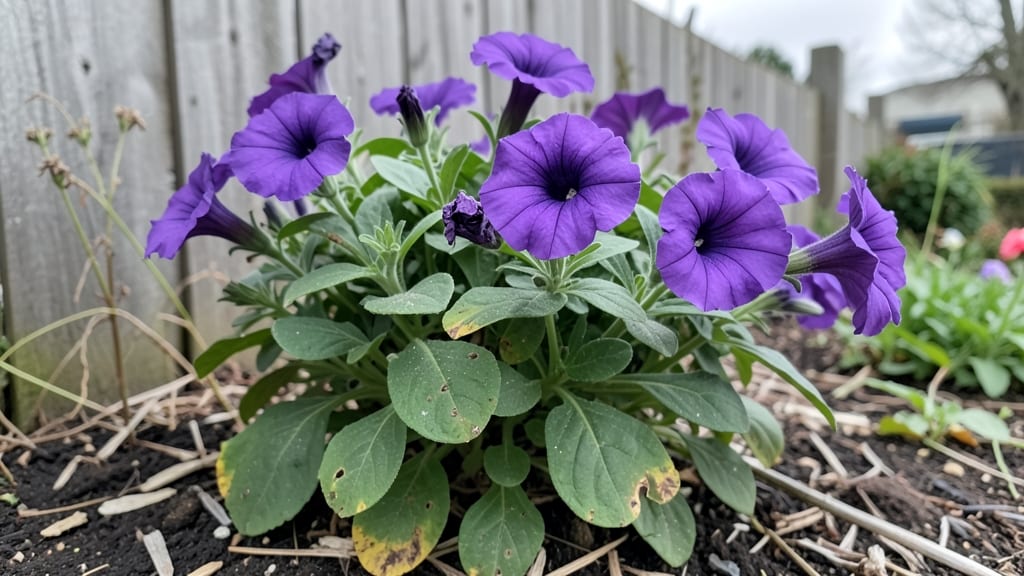
Double-flower petunias 🌸 create cascades of velvety blooms that double the impact of any garden bed, but their extra petals come with extra care needs.
Picture this: you’ve spent weeks nurturing your plants, only for the flowers to wilt faster than single varieties because their layered petals trap moisture. That’s the trade-off for their showstopping looks—and it’s totally fixable with the right tricks.
From picking the hardiest double-flower varieties for your 6a zone to mastering watering schedules that keep blooms fresh all summer, I’ll walk you through every step to turn your spring planting into a nonstop floral display.
You’ll learn how to prune for bushier growth, spot early signs of pests before they strike, and even coax a second flush of blooms when fall arrives—so your garden stays vibrant until the first frost.
Top 10 double-flower petunia varieties for long-lasting color
Double-flower petunias are the superstars of summer gardens, offering voluminous blooms with layered petals that create a romantic, lush appearance. Unlike their single-flower cousins, these varieties pack more petals per bloom, making them ideal for containers, hanging baskets, and garden beds.
The key to their success lies in selecting the right variety for your light conditions and understanding their unique growth habits and color spectrum.
From vibrant pinks to deep purples and velvety reds, double-flower petunias come in a dazzling array of colors. Some varieties thrive in full sun, while others adapt well to partial shade.
Whether you're aiming for a classic cottage garden or a modern urban container display, these top 10 varieties will deliver season-long color with minimal fuss.
Here’s a detailed comparison of the best double-flower petunia varieties, including their bloom size, color range, and sunlight preferences, to help you make the perfect choice for your garden.
| Variety |
Bloom Size |
Color Spectrum |
Sunlight Needs |
Height |
Best For |
| 'Mitchell' Double Delight |
3-4 inches |
Pink, lavender, white |
Full sun to partial shade |
12-18 inches |
Hanging baskets, containers |
| 'Madness' Series |
2.5-3.5 inches |
Purple, red, white, bi-color |
Full sun |
6-12 inches |
Borders, window boxes |
| 'Dreamland' Double |
3-4 inches |
Blue, violet, pink |
Full sun to partial shade |
12-18 inches |
Garden beds, mixed containers |
| 'Sugar Rush' Double |
2-3 inches |
Pink, purple, white |
Full sun |
8-12 inches |
Hanging baskets, urban gardens |
| 'Tidal Wave' Double |
3-4 inches |
Red, pink, lavender |
Full sun |
12-18 inches |
Spillers in containers |
| 'Easy Wave' Double |
2.5-3.5 inches |
Blue, purple, white |
Full sun to partial shade |
6-12 inches |
Low-maintenance borders |
| 'Celebrity' Double |
3-4 inches |
Pink, red, purple, white |
Full sun |
12-18 inches |
Classic garden beds |
| 'Supertunia' Double |
3-4 inches |
Purple, pink, white, bi-color |
Full sun |
12-24 inches |
Large containers, mass plantings |
| 'Wave' Double |
2.5-3.5 inches |
Blue, violet, pink |
Full sun to partial shade |
8-12 inches |
Spillers, window boxes |
<
How to grow double-flower petunias for maximum blooms all season
Double-flower petunias are the showstoppers of summer gardens, with their layered, velvety blooms that seem to multiply with proper care. Unlike their single-flower cousins, these varieties produce extra petals per bloom, creating a lush, almost rose-like appearance.
But achieving that nonstop blooming from June through frost requires a few key strategies—starting with the right soil prep and watering routine.
I’ve learned through years of trials (and a few wilting disasters) that double-flower petunias thrive when given consistent moisture, regular pruning, and protection from pests.
The secret to their prolonged flowering lies in mimicking their natural tropical habits—think of them as high-maintenance divas that reward you with months of color when you meet their needs. Let’s break it down step by step.
Step-by-Step Growing Guide
-
1
Soil Prep: Amend your garden beds with compost and a balanced fertilizer (5-10-5 NPK) to create well-draining, nutrient-rich soil. Double-flower petunias hate soggy roots, so mix in perlite or sand if your soil is heavy clay.
-
2
Planting Time: Wait until after your last frost (typically mid-April in Zone 6a) when soil temps hit 50°F+. Space plants 12-18 inches apart to allow airflow and prevent disease.
-
3
Watering Schedule: Water deeply in the morning every 2-3 days (daily in peak summer heat). Let the top 1 inch of soil dry between waterings to avoid root rot. Use drip irrigation to keep foliage dry and reduce fungal risks.
-
4
Pruning for Blooms: Pinch back leggy stems by 1/3 when plants are 6 inches tall to encourage bushier growth. Deadhead spent blooms weekly to redirect energy into new flowers. Use clean, sharp scissors to avoid tearing stems.
-
5
Pest Prevention: Watch for aphids, spider mites, and whiteflies. Spray plants with neem oil or a soapy water solution (1 tsp mild soap per quart of water) at the first sign of pests. Ladybugs are your best natural allies!
-
6
Fertilizing: Feed every 4-6 weeks with a balanced liquid fertilizer during the growing season. Switch to a low-nitrogen, high-phosphorus formula (like 5-10-5) in late summer to boost flower production over foliage.
-
7
Winterizing: In Zone 6a, cut back plants to 2 inches tall in late fall and mulch with 2-3 inches of straw. Double-flower petunias are annuals, but you can save seeds from healthy blooms for next year’s garden.
One of my biggest mistakes was skipping the morning watering routine—this led to fungal issues and stunted growth. I also learned that over-fertilizing with nitrogen produces lush leaves but fewer blooms. Stick to the high-phosphorus formula in late summer to keep those double-layered blooms coming.
For container gardening, choose hanging baskets or large pots with drainage holes. Use a lightweight potting mix and water more frequently—containers dry out 3x faster than garden beds. Place containers in full sun (6+ hours daily) and rotate them weekly for even growth.
With these proven techniques, your double-flower petunias will reward you with months of vibrant color, turning your garden into a nonstop floral spectacle. The key is cons
★★★★★5.0(10 reviews)