
Container Gardens
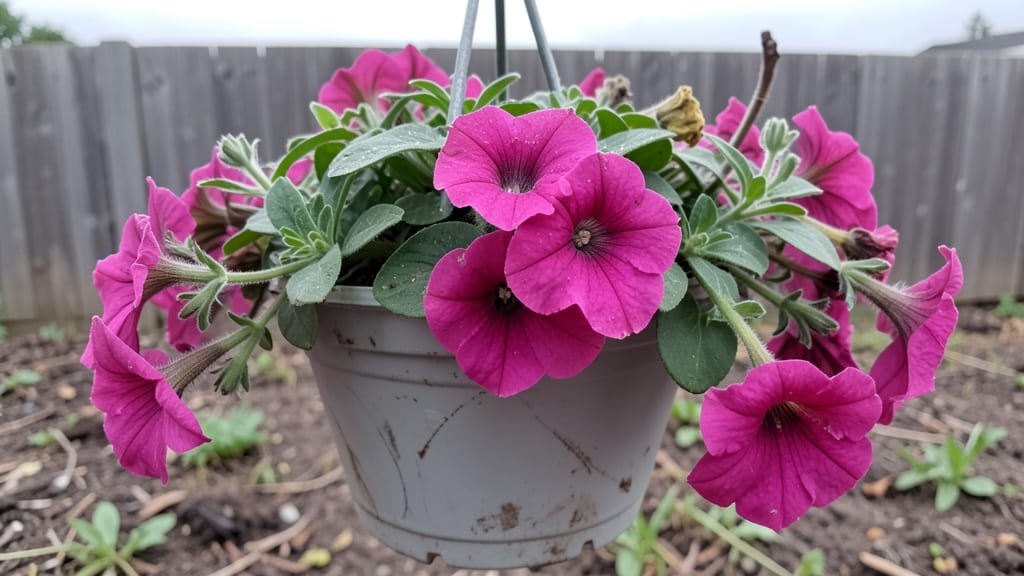
Growing a petunia flower hanging basket that bursts with color all summer isn’t just possible—it’s easier than you think with the right approach.
Imagine cascading petunias in vibrant hues spilling over your porch, balcony, or patio—creating a lush, fragrant oasis that lasts all summer long. The secret to petunia flower hanging baskets that thrive isn’t just luck; it’s science, timing, and a few clever tricks most gardeners miss.
From choosing the perfect varieties to mastering watering and fertilization, this guide will help you avoid common mistakes and keep your petunias blooming non-stop from June through September.
Ready to transform your space with stunning, low-maintenance petunias? Let’s dive into the steps that’ll make your hanging baskets the envy of the neighborhood.
How to choose and prepare petunia hanging baskets for maximum blooms
Selecting the right petunia varieties and hanging baskets sets the foundation for a showstopping summer display. Petunias thrive in containers, but not all varieties or baskets are created equal. The key is matching your space constraints, sunlight exposure, and maintenance preferences with the perfect setup.
For example, trailing petunias like 'Supertunia' or 'Wave' create dramatic cascades, while bush varieties like 'Mitchell' stay compact and spill gently over edges.
Your choice of basket material also matters—coconut fiber and plastic-coated wire are popular because they retain moisture while allowing roots to breathe. Avoid cheap plastic baskets without drainage holes, as they trap excess water and lead to root rot.
Pro tip: Look for baskets with 1-inch drainage holes and a minimum 12-inch diameter to accommodate root growth and water retention.
Here’s a quick comparison to help you decide:
| Factor | Recommendation | Why It Matters |
|---|---|---|
| Petunia Variety | Trailing (e.g., 'Supertunia') | Creates dramatic cascades; ideal for porches. |
| Basket Size | 12-18 inches diameter | Supports root growth and water retention. |
| Material | Coconut fiber or wire | Balances moisture retention and airflow. |
| Drainage | 1-inch holes + liner | Prevents root rot while keeping soil moist. |
| Soil Mix | 50% potting mix + 50% perlite | Ensures aeration and nutrient availability. |
| Fertilizer | Balanced 10-10-10 | Promotes lush foliage and vibrant blooms. |
Before planting, prep your baskets by lining them with coco coir or sphagnum moss to retain moisture and prevent soil from spilling through drainage holes. This step is critical for hanging baskets, as they dry out faster than ground-level containers.
I like to add a slow-release fertilizer to the soil mix—this gives petunias a steady nutrient supply without the risk of over-fertilizing, which can burn roots.
Now, let’s talk soil mix. Petunias crave well-draining, nutrient-rich soil with a slightly acidic pH (6.0–7.0). A blend of 50% potting mix and 50% perlite or vermiculite works wonders.
Avoid garden soil—it compacts in containers and suffocates roots. For extra vigor, mix in a handful of worm castings or compost to boost microbial activity.
One common mistake I see is skipping the moisture-retaining liner. Without it, the soil dries out too quickly, especially in full sun conditions. If you’re in a hot climate, consider adding hydrogel crystals to the soil mix—they absorb and release water as needed, keeping roots hydrated for days.
This trick is a game-changer for balcony gardens or areas with limited watering access.
Finally, position your baskets where they’ll get 6+ hours of sunlight daily. Petunias are sun-worshippers, and insufficient light leads to leggy growth and fewer blooms. If your space is shady, opt for light-colored petunias like 'White Cascade'—they tolerate lower light better than deep hues.
For maximum impact, place baskets near south- or west-facing windows or under a patio cover that filters UV rays gently.
With the right variety, basket, and soil prep, your petunias will reward you with non-stop blooms from early summer until frost. The secret? Start strong, and they’ll keep giving back all season long. 🌸
Step-by-step planting and maintenance schedule for petunia hanging baskets
Petunias are the stars of summer gardens, but their success in hanging baskets depends on precise timing and care. Unlike in-ground plants, container-grown petunias dry out faster and need consistent attention to water, fertilizer, and pruning.
My schedule balances early-season prep with peak-bloom strategies and late-summer revival to keep your petunias thriving until frost 🌸.
Start with a moisture-retentive soil mix and place baskets where they’ll get 6+ hours of sunlight daily. The first 30 days are critical—this is when roots establish and plants adjust to their new home.
After that, shift focus to deadheading, feeding, and pruning to prevent leggy growth and encourage continuous blooms 🌿.
📅 Month-by-Month Petunia Hanging Basket Care
-
April-May (Planting)
- Soak hanging baskets in water for 10 minutes before planting.
- Use trailing petunia varieties (like 'Supertunia' or 'Wave') for best coverage.
- Plant 5-7 plants per 12" basket for full, cascading results.
-
June (Early Growth)
- Water daily in morning—hanging baskets dry out faster than pots.
- Apply balanced liquid fertilizer (10-10-10) every 2 weeks.
- Pinch back tips of stems to encourage bushier growth.
-
July-August (Peak Bloom)
- Deadhead spent blooms 2-3 times weekly to prolong flowering.
- Fertilize weekly with half-strength solution during heatwaves.
- Check for aphids or spider mites—spray with neem oil if needed.
-
September (Late-Summer Revival)
- Prune overgrown stems by 1/3 to rejuvenate growth.
- Reduce fertilizer to every 3 weeks as days shorten.
- Move baskets to slightly shaded spot if afternoon sun is intense.
In September, watch for signs of stress like yellowing leaves or sparse blooms—these signal it’s time to prune and adjust care. Cut back leggy stems to 4-6 inches from the base and fertilize lightly to encourage new growth.
By late summer, petunias often slow down, but with proper revival techniques, you can extend their bloom time until frost 🪴.
Don’t let overwatering or under-fertilizing ruin your efforts. Hanging baskets need consistent moisture but must never sit in water. I recommend using a self-watering basket liner if you travel often. For fertilizer, stick to a balanced formula—petunias thrive on regular feeding but can burn if overfed 💧.
As temperatures drop in October, petunias will naturally decline. Instead of forcing them to bloom, focus on harvesting seeds (if saving varieties) or composting spent plants.
Clean your baskets thoroughly and store them for next year—proper winter prep ensures your petunias will be ready for another spectacular summer display ✂️.