
Flowers
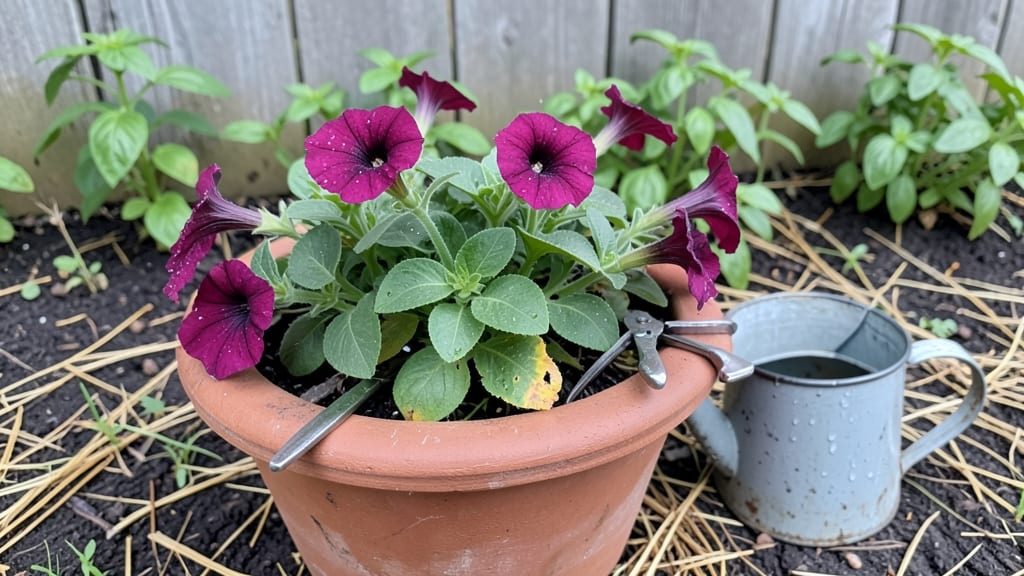
Mastering petunia flower maintenance transforms sad, leggy plants into vibrant, overflowing baskets—just by nailing three simple habits: watering right, snipping spent blooms, and feeding them just enough. 🌸 I’ve watched petunias go from droopy to dazzling with these basics, and you can too without spending hours in the garden.
The biggest game-changer is deadheading—pinch off faded flowers before they set seed, and your plants will redirect energy into new blooms instead of seed pods. Pair that with weekly watering at the soil level (not overhead) to avoid fungal issues, and you’ve already won half the battle.
A balanced fertilizer every 4-6 weeks keeps them lush without burning the roots.
By mid-summer, you’ll have petunias so packed with blooms they look like they’re spilling over their containers. The key is consistency—no skipping deadheading, no letting soil dry out completely, and no over-fertilizing. These flowers are tougher than they look once you give them the basics.
Works for hanging baskets, window boxes, or in-ground beds—just adjust watering frequency for containers. Here’s how to keep them thriving all season long without the guesswork.
📚 In This Guide
- What you need
- Instructions
- Tips and common mistakes
- Wrapping up and next steps
What you need
- ● Well-draining potting mix: 5–10 gallons (or enough to fill containers). Look for a blend labeled for annuals or flowering plants.
- ● Petunia plants: 3–6 plants per container (depending on size). Choose compact, grandiflora, or trailing varieties based on your space.
- ● Containers or garden bed: Containers: 12–18 inches in diameter (1–2 plants per container). Ensure they have drainage holes!
- ● Garden beds: Full sun exposure (6+ hours of light daily) and loose, fertile soil.
- ● Watering can or hose with a gentle spray nozzle: Aim for consistent moisture without soggy soil.
- ○ Balanced liquid fertilizer (10-10-10 or 20-20-20): 1–2 tablespoons per gallon of water. Optional but recommended for extra blooms!
- ● Pruning shears or clean scissors: For trimming dead blooms and shaping plants.
- ○ Mulch (optional): 1–2 inches of organic mulch (e.g., straw or shredded bark) to retain moisture and suppress weeds.
- ○ Soil test kit (optional): Check pH (petunias thrive in 6.0–7.0). Adjust with lime or sulfur if needed.
- ● Slow-release fertilizer granules: Mix ½ cup per container at planting for month-long nutrition.
- ● Support stakes or trellis (for trailing varieties): Install early to avoid root disturbance.
Step-by-Step instructions for petunia flower maintenance
Here's how to keep your petunias blooming nonstop—no fuss, just consistent care.
🌿 Step 1: Deadhead Regularly to Encourage More Blooms
Pinch off spent blooms the day you notice them wilting. This redirects energy from seed production back into new flower growth. I use my thumb and forefinger to gently squeeze the stem just above the next set of leaves—no need for pruners here. The goal is to remove the faded bloom but leave the leafy growth intact.
Do this every morning or evening when blooms are dry. Wet flowers stick to your fingers and make the job messy. You'll see fresh buds forming within 3-5 days of consistent deadheading. If you skip this, your petunias will focus on setting seed instead of producing more flowers.
💧 Step 2: Water Deeply at the Base, Not the Leaves
Petunias need 1 inch of water per week, but they hate wet foliage. Water at the soil line using a watering can with a narrow spout or a soaker hose. I aim for the base of the plant and let the water soak in for 10-15 seconds—long enough to moisten the root zone but not create puddles.
Check moisture by sticking your finger 1 inch deep into the soil. If it feels dry, water again. If it's still damp, wait another day. Overhead watering spreads disease, and petunias are particularly prone to powdery mildew when their leaves stay wet. Water in the early morning so foliage dries quickly under sunlight.
☀️ Step 3: Provide Morning Sun and Afternoon Shade
Petunias thrive in 6-8 hours of morning sun but can scorch in intense afternoon heat. If your plants show yellowing leaves or crispy edges, they're getting too much direct sun. Move them to a spot with dappled shade after 10 AM or provide afternoon shade with a sheer curtain.
I always place mine where they get bright light in the morning and partial shade by early afternoon. You'll notice the difference in leaf health within a week—glossy, dark green leaves mean they're happy, while bleached or curled leaves signal too much sun. Mulch around the base with 1-2 inches of organic mulch to help retain moisture and regulate soil temperature.
✂️ Step 4: Prune Leggy Growth for Bushier Plants
When petunias grow leggy (stems stretching too tall with few leaves), they need a haircut. Use clean pruning shears to trim back the longest stems by one-third just above a leaf node. This encourages branching and a fuller plant shape. I do this in late spring or early summer when growth is active.
Don't cut into woody stems—you want to prune only the soft, green growth. After pruning, give the plant a light dose of balanced fertilizer (10-10-10) to support new growth. You'll see fresh shoots emerging from the leaf nodes within 7-10 days. This step keeps petunias compact and prevents them from looking ragged by midsummer.
🪴 Step 5: Feed Weekly During Blooming Season
Petunias are heavy feeders, especially when they're blooming nonstop. Use a water-soluble fertilizer every 7-10 days during the growing season (spring through fall). I mix 1 teaspoon of fertilizer per gallon of water and apply it directly to the soil, not the leaves. This prevents leaf burn and ensures roots get the nutrients they need.
Stop fertilizing in late summer when growth slows. Overfeeding at this time can lead to weak, disease-prone plants. You'll know your petunias are getting enough nutrients when they produce bright, vibrant blooms consistently and the foliage stays lush and green. If leaves turn yellow between the veins, that's a sign of nitrogen overload—cut back on fertilizer for a week and water thoroughly.
Tips & tricks for petunia flower maintenance
Here's what I've learned after years of growing petunias—these simple tricks make all the difference between a few flowers and a nonstop blooming show.
Timing Secret for Deadheading: I've found that deadheading in the morning gives your petunias the whole day to recover and form new buds. The 3-5 day window mentioned in Step 1 works best if you're consistent—set a reminder on your phone if you tend to forget! I also keep a small pair of scissors in my gardening bag for days when my fingers are too sore to pinch stems. The key is to remove the entire faded bloom, not just the flower head.
Watering Wisdom: The 10-15 seconds watering time in Step 2 might seem short, but it's perfect for petunias. Too much water creates soggy soil that invites root rot, while too little stresses the plant. I test soil moisture by feeling the weight of the pot—if it feels light, it's time to water. For container petunias, I use the "finger test" at 1 inch deep every other day to avoid overwatering. Early morning watering is non-negotiable—it prevents fungal diseases that thrive in damp leaves.
Sunlight Strategy: The 6-8 hours of morning sun recommendation is ideal, but I've had success with 4-6 hours in hot climates where afternoon sun would scorch the leaves. Watch for those yellowing leaves—this is your plant's way of saying "too much sun!" I've used sheer fabric curtains tied loosely around hanging baskets to diffuse harsh afternoon rays. Mulching with 1-2 inches of organic material (like shredded leaves) helps maintain even soil temperatures, which petunias love.
Pruning Payoff: When pruning leggy stems in Step 4, I always look for the leaf node just above where I'm cutting—this is where new growth will emerge. The 7-10 day recovery time can feel long, but patience pays off with bushier plants. I've found that pruning in the morning gives the plant the whole day to recover from the stress. After pruning, I water thoroughly to help the plant bounce back faster. Don't be afraid to give your petunias a haircut—they reward you with fuller growth!
Pro Tips for Petunia Flower Maintenance
- Here's what I've learned after years of growing petunias—these simple tricks make all the difference between a few flowers and a nonstop blooming show.
- Timing Secret for Deadheading: I've found that deadheading in the morning gives your petunias the whole day to recover and form new buds.
- Watering Wisdom: The 10-15 seconds watering time in Step 2 might seem short, but it's perfect for petunias.
Frequently asked questions
Got questions about keeping your petunia flowers looking their best? You’re not alone! Here are answers to the most common concerns from gardeners just like you—so you can enjoy vibrant blooms with confidence.
Can I grow petunias indoors?
Yes! Petunias thrive indoors if you give them bright, direct light (a south-facing window is ideal) and consistent humidity. Use a small pot with drainage holes and fertilize lightly every 2–3 weeks. Keep them away from cold drafts, and you’ll get blooms year-round!
How often should I water my petunias?
Petunias love moist but not soggy soil. Water them daily in hot weather and every other day when it’s cooler. Check the top inch of soil—if it’s dry, it’s time to water. Avoid wetting the leaves to prevent fungal diseases. Pro tip: Use a soaker hose for even moisture.
Why aren’t my petunias blooming?
If your petunias are leafy but not flowering, they might need a few adjustments:
- More sunlight (6+ hours daily)
- Less nitrogen fertilizer (switch to a phosphorus-rich one for blooms)
- Pinching back leggy growth to encourage new buds
How do I fix yellowing petunia leaves?
Yellow leaves can mean overwatering, underwatering, or nutrient deficiency. Here’s how to troubleshoot:
Cause
Fix
Overwatering
Let soil dry slightly between waterings; improve drainage
Underwatering
Water deeply when the top inch of soil is dry
Nitrogen overload
Fertilize with a balanced or phosphorus-heavy formula
What’s the best way to overwinter petunias?
Petunias are tender annuals, but you can save seeds or propagate cuttings for next year:
- For seeds: Let flowers dry on the plant, then collect and store in a cool, dark place.
- For cuttings: Take 4–6 inch stems in late summer, root in water or soil, and grow indoors.
Wrapping up and next steps
Caring for your petunias doesn’t have to be complicated—just a little consistency and love goes a long way! With the right balance of sunlight, water, and occasional pruning, you’ll enjoy a burst of vibrant blooms all season long. 🌸
Ready to see your petunias thrive? Start small: pick one tip from this guide and test it out this week. Before you know it, your garden will be a showstopper—and you’ll be the proud petunia whisperer! 🌿