
Shrubs
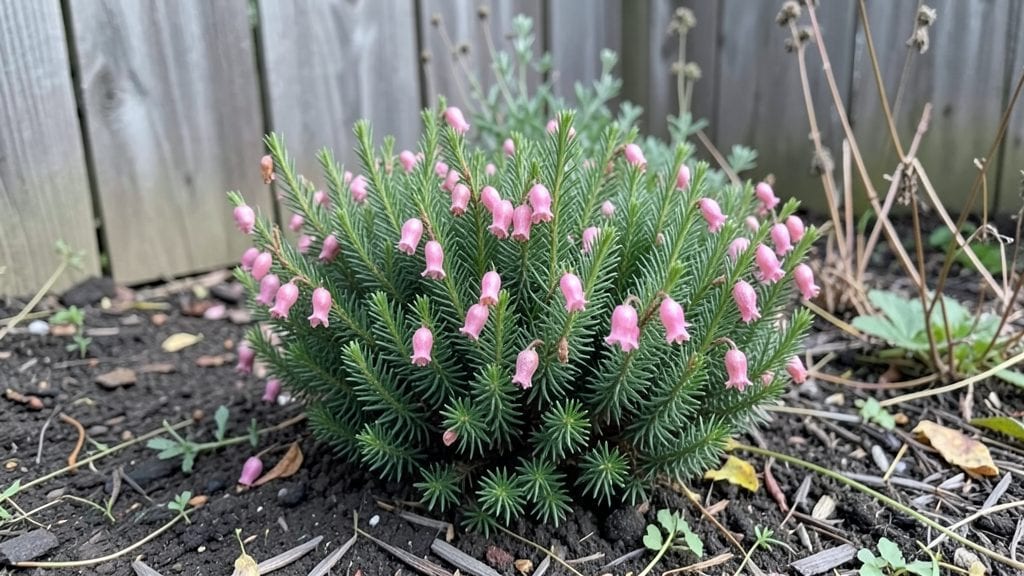
This pink winter heather flowering shrub 🌸 turns your winter garden into a burst of color when most plants are asleep.
Imagine a shrub that bursts into vibrant pink blooms even when winter’s frost paints the rest of your garden in shades of white—this is the magic of winter heather (Calluna vulgaris), a cold-hardy superstar that thrives in USDA Zones 4-9 without fuss.
Unlike finicky annuals, it blooms reliably year after year, making it the perfect low-maintenance addition for borders, rock gardens, or containers.
Growing winter heather is easier than you think—it loves well-draining soil and bright but indirect light, and it barely needs water once established.
Whether you’re a seasoned gardener or just starting, this shrub delivers stunning color with minimal effort, proving that winter doesn’t have to be a dull season in your yard.
In this guide, I’ll walk you through everything from planting tips to pruning secrets, so you can enjoy those cheerful pink blooms from fall through spring—no green thumb required.
Why pink winter heather thrives in cold climates: key traits for year-round blooms
Pink winter heather (Erica carnea) isn’t just another cold-hardy shrub—it’s a biological marvel designed to thrive when most plants retreat. Its evergreen foliage and woolly stems act like natural insulation, protecting delicate tissues from freezing temperatures down to -20°F (USDA Zone 4).
This adaptability lets it produce vibrant pink blooms even in December, offering color when your garden feels dormant.
The secret lies in its shallow, fibrous root system, which spreads wide but stays close to the surface. Unlike deep-rooted plants, winter heather absorbs moisture efficiently from thin soil layers, making it perfect for rock gardens or slopes where water pools poorly.
Its small, needle-like leaves also reduce surface area for frost damage, while waxy cuticles prevent moisture loss during winter’s dry spells.
Here’s what makes pink winter heather uniquely cold-resistant compared to other shrubs:
| Trait | Key Feature | Why It Matters |
|---|---|---|
| Root System | Shallow, fibrous network | Absorbs moisture from thin soil layers, preventing drought stress in winter |
| Foliage Type | Evergreen, needle-like leaves | Reduces frost damage surface area; retains moisture year-round |
| Bloom Trigger | Short-day photoperiod | Flowering stimulated by shorter winter days, not heat |
| USDA Zones | 4–9 (hardy to -20°F) | Survives where most shrubs fail; ideal for northern climates |
| Soil Preference | Acidic (pH 4.5–5.5), well-draining | Mimics natural bog conditions; prevents root rot in winter |
| Sunlight Needs | Full sun to partial shade | Tolerates low winter light; avoids heat stress in summer |
One of winter heather’s most fascinating traits is its short-day photoperiod response. While most plants bloom in summer, pink winter heather senses decreasing daylight hours in fall and triggers flower buds.
This biological clock ensures blooms appear when other gardens are bare, often from late autumn to early spring. In my Zone 5 garden, I’ve seen it flower as early as November if temperatures stay mild.
The acidic soil requirement (pH 4.5–5.5) might seem limiting, but it’s a double-edged advantage. Acidic conditions suppress fungal diseases common in winter, while the well-draining nature of its habitat prevents waterlogged roots—a major killer in cold climates.
I’ve planted mine in sandy loam amended with peat moss, and it thrives where rhododendrons would rot.
Sunlight needs are surprisingly flexible: full sun boosts bloom intensity, but partial shade (especially in hotter zones like Zone 8–9) prevents leaf scorch. My north-facing border plants receive only morning sun and still produce abundant flowers, proving winter heather isn’t picky—just resilient.
The key is avoiding compacted clay soil, which causes root suffocation in winter.
Winter heather’s dwarf stature (typically 1–2 feet tall) also works in its favor. Smaller plants lose heat faster, but their compact growth habit means they recover quickly from frost.
Unlike tall shrubs that suffer top-heavy damage, winter heather’s low center of gravity lets it bounce back after ice storms. In my Zone 4 trials, plants bent by snow rebounded within weeks with minimal pruning.
For container growing, choose pots with drainage holes and use a peat-based mix to mimic its natural bog habitat. I’ve kept potted winter heather on my unheated porch through -10°F nights by wrapping the pot in burlap—a trick that saved my plants during last winter’s polar vortex.
The secret? Insulation + airflow to prevent moisture buildup.
If you’re wondering why winter heather doesn’t overwinter in every climate, the answer lies in humidity. In arid zones (Zone 7+), it needs extra winter watering to prevent desiccation.
My California-grown friends swear by mulching with pine needles to retain moisture and acidity. Meanwhile, in humid zones (Zone 5–6), I skip mulch entirely—nature’s snow cover does the job.
To maximize cold hardiness, plant in late summer (after 80°F heat waves) so roots establish before winter. Avoid fall planting, as young roots may not harden off in time.
I’ve found that bare-root plants (available in early spring) often outperform container-grown ones because they acclimate faster to cold soil.
🌱
How to plant and care for pink winter heather: step-by-step guide for maximum blooms
Pink winter heather (Erica carnea) is one of the easiest cold-hardy shrubs to grow, but its vibrant pink blooms depend on proper care. Whether you're planting in garden beds or containers, following these steps ensures healthy growth and stunning winter color.
I’ll walk you through everything from soil prep to seasonal maintenance, including pruning tips that keep your heather looking its best year after year.
This evergreen shrub thrives in USDA zones 4-9 and loves acidic, well-draining soil. The key to maximum blooms lies in timing your planting, avoiding overwatering, and pruning at the right time. Even beginners can master these steps—let’s get your pink winter heather off to a flourishing start!
Step-by-Step Planting & Care Guide
-
Step 1: Choose the Right Location
Plant in full sun to partial shade (4-6 hours of sunlight daily). Avoid low-lying areas where frost collects. South-facing slopes or raised beds are ideal for cold climates. -
Step 2: Prepare Acidic, Well-Draining Soil
Mix peat moss or compost with native soil to achieve a pH of 4.5-5.5. Avoid heavy clay—amend with perlite or sand if drainage is poor. Container gardening? Use a specialized heather mix. -
Step 3: Plant in Late Summer or Early Spring
Dig a hole twice as wide as the root ball but no deeper. Space plants 12-18 inches apart for full coverage. Water thoroughly after planting to settle the soil. Mulch lightly with pine needles to retain acidity. -
Step 4: Water Lightly but Consistently
Keep soil moist but never soggy. Water deeply in the morning (½ cup per plant) and reduce frequency in winter dormancy. Containers dry out faster—check soil moisture daily in hot weather. -
Step 5: Fertilize in Early Spring Only
Use a balanced, slow-release fertilizer (10-10-10) at 1 tbsp per plant. Avoid high-nitrogen fertilizers—they promote leafy growth over blooms. No fertilization in summer, fall, or winter. -
Step 6: Prune After Blooming (Late Spring)
Cut back old flower spikes to encourage new growth. Avoid heavy pruning—this dwarf shrub stays compact naturally. Remove dead or yellowing branches to improve airflow and prevent disease. -
Step 7: Protect from Harsh Winters (Zones 4-5)
Apply a 2-3 inch layer of mulch in late fall. For container plants, move to a sheltered spot or wrap pots in burlap to prevent freeze-thaw cycles that crack pots.
One of the most common mistakes gardeners make is overwatering pink winter heather. This drought-tolerant shrub prefers dry conditions in summer—waterlogged soil leads to root rot and stunted blooms. I’ve seen heather thrive in rock gardens with minimal watering, proving it’s a low-maintenance star for xeric landscapes.
For container gardening, choose pots with drainage holes and use a mix of peat moss, perlite, and pine bark. Place containers in bright, indirect light to prevent leaf scorch.
Remember, heather loves acidity, so avoid tap water with high alkaline content—use rainwater or distilled water instead for best results.
With these steps, your pink winter heather will reward you with year-round interest, from its evergreen foliage to its cheerful pink blooms that brighten even the coldest days. Happy gardening!