
Flowers
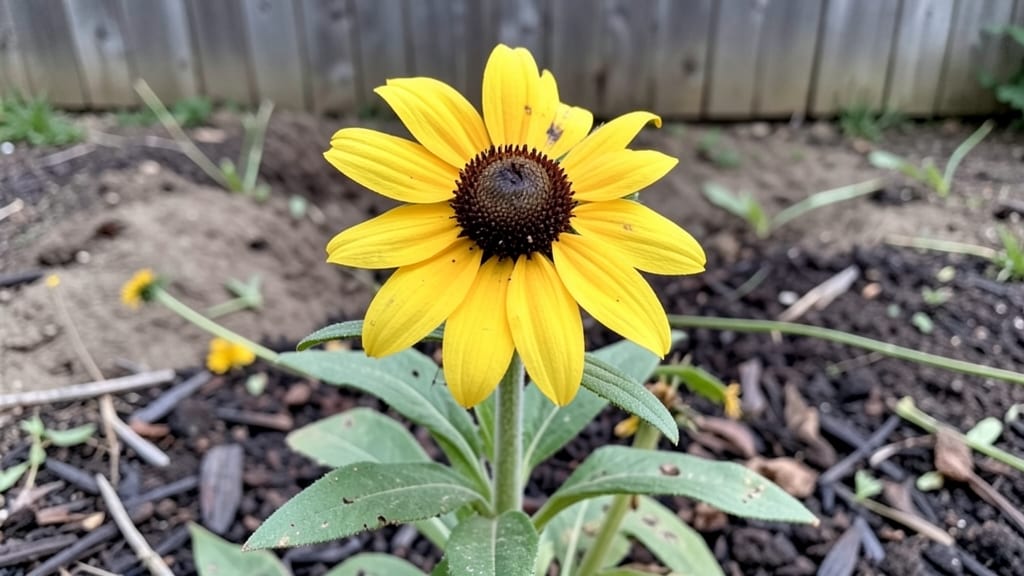
Yellow-flowering plants like marigolds, black-eyed Susans, and coreopsis brighten gardens with vibrant hues and attract pollinators. Identify them by leaf shape, bloom size, and growth habits—marigolds have fern-like foliage, while black-eyed Susans feature daisy-like petals with dark centers.
Many gardeners favor these sunny blooms not just for their cheerful look, but because they're powerhouses for supporting local ecosystems. 🌿 For instance, coreopsis thrives in poor soil and spreads quickly, making it ideal for wildflower meadows, while black-eyed Susans often return year after year with minimal care.
The key to quick identification lies in noticing how the foliage frames the flowers—marigolds' feathery leaves contrast sharply with their bold petals, while sunflowers' broad, rough leaves hug their towering stems.
Seasonal timing also helps narrow it down: daffodils burst in early spring, while zinnias explode in summer heat. I always check the leaf arrangement first—alternate leaves suggest one plant, while whorled patterns might indicate another. These visual clues save time when planning garden layouts or troubleshooting pollinator shortages.
💡 In This Article
- Key Features to Spot Yellow Flowering Plants
- Top 10 Easy-to-Grow Yellow Flower Varieties
Key features to spot yellow flowering plants
Yellow blooms often share bright hues but reveal their true identities through subtle botanical traits. Start with leaf structure: marigolds display finely divided, fern-like foliage with jagged edges, while sunflowers boast broad, rough-edged leaves arranged in a spiral pattern up their sturdy stems.
The leaf arrangement alone can narrow down possibilities—alternate leaves suggest perennials like coreopsis, while opposite leaves often indicate annuals like snapdragons.
Next, examine bloom patterns. Daisy-like flowers with dark centers (like black-eyed Susans) have flat, composite heads, while sunflowers feature layered petals radiating from a central disk. Marigolds produce clustered blooms on branching stems, while zinnias showcase single, daisy-like flowers on rigid stalks.
The stem rigidity matters too: sunflowers have thick, woody stems, while zinnias support themselves with slender but sturdy stems.
Seasonal timing provides another clue. Spring bloomers like daffodils emerge with sword-like leaves, while summer favorites such as zinnias thrive in full sun with rapid growth. Perennials like coreopsis develop deep taproots, making them drought-tolerant, whereas annuals like marigolds spread through fibrous root systems.
These root types influence watering needs—taproots need deep, infrequent watering, while fibrous roots prefer consistent moisture.
Don’t overlook scent and texture. Some yellow flowers like evening primrose emit a faint honey fragrance, while others remain scentless. Petal texture varies too: marigolds have slightly waxy petals, while sunflowers feel papery.
These sensory details help distinguish similar-looking blooms in mixed borders. For example, a yellow flower with papery petals and broad leaves is likely a sunflower, while feathery foliage points to coreopsis.
Consider growth habits next. Marigolds grow in low, bushy mounds, while sunflowers reach towering heights (some varieties exceed 6 feet). Black-eyed Susans often form clumps, while zinnias grow upright in neat rows.
These growth patterns affect garden placement—tall varieties like sunflowers make great backdrops, while low-growing marigolds work as edging plants.
Finally, observe seed heads after blooming. Sunflowers develop large, spiky seed pods, while zinnias produce round, papery seed heads. These post-bloom traits help identify plants even when not in flower.
For instance, finding a dried sunflower head confirms its presence, even if the yellow petals are gone. This attention to detail transforms casual gardening into precise plant identification.