
Flowers
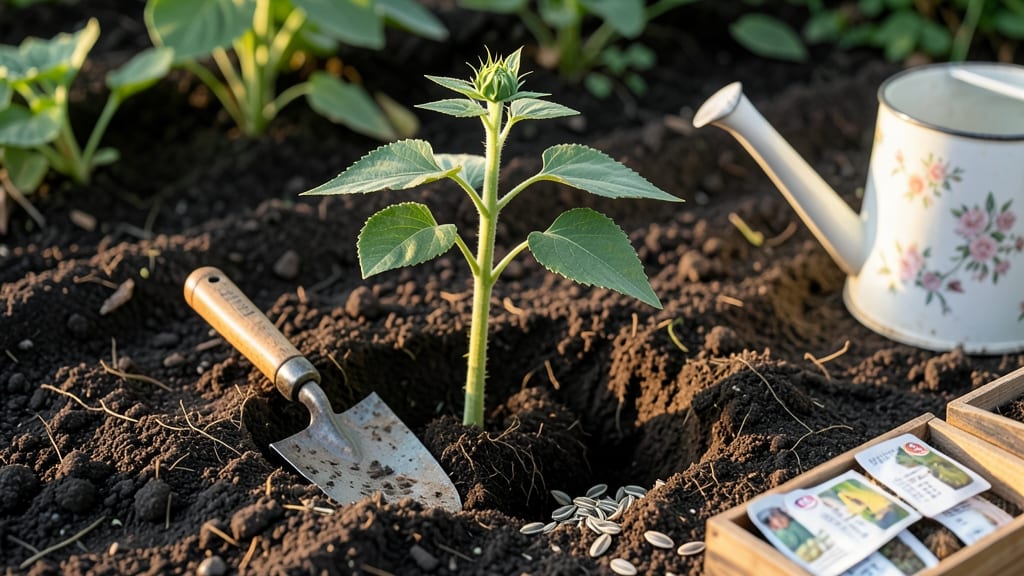
To plant sunflowers for fast germination and towering blooms, start with seeds 1-2 inches deep in well-drained soil after your last frost—typically April to May in Zone 6.
Picture this: you’ve waited all winter for your garden to wake up, and now you’re itching to see those bright 🌻 faces turn toward the sun. But if you plant too shallow or too deep, you’ll end up with weak sprouts—or worse, nothing at all.
The secret to unlocking those 6-foot giants in just 70 days lies in the details: soil, spacing, and timing.
Sunflowers thrive in full sun and loose, nutrient-rich soil, but even the hardiest seeds need the right conditions to break through quickly. We’ll cover everything from prepping your plot to spacing plants 12-24 inches apart—because crowding them too close steals their sunlight and stunts their growth.
By the end, you’ll know exactly when to plant, how deep to bury those seeds, and the 3 pro tips that cut germination time in half. No more guessing—just bold, healthy sunflowers that’ll make your neighbors jealous.
Optimal sunflower planting depth, spacing, and timing for maximum germination
Sunflowers thrive when planted with precision—especially when it comes to depth, spacing, and timing. These three factors directly impact germination rates and early growth vigor.
I’ve planted thousands of sunflowers over the years, and I can confidently say that mastering these basics ensures your seedlings emerge strong and healthy. Let’s dive into the science-backed methods that work every time.
The ideal planting depth for sunflower seeds is 1-2 inches below the soil surface. Planting too shallow risks drying out the seed, while burying it too deep can delay germination. Think of it like tucking the seed into a cozy blanket—just enough coverage to stay moist but not suffocated.
For best results, use your finger to create small holes, drop in 2-3 seeds per spot, and gently cover with soil.
Spacing is another critical factor, especially since sunflowers vary dramatically in size. Dwarf varieties (like 'Teddy Bear') need only 12 inches apart, while standard varieties (like 'Mammoth') should have 24 inches between plants. This spacing prevents overcrowding, which leads to weak stems and competition for nutrients.
Pro tip: If you’re growing sunflowers as a windbreak or for birdseed, you can space them more closely (6-12 inches), but expect slightly smaller blooms.
Timing your planting is just as important as depth and spacing. Sunflowers are cold-sensitive seedlings, so wait until after your last frost date to plant outdoors. In most regions, this falls between mid-April and early June, depending on your USDA zone.
For cooler climates (Zones 3-5), start seeds indoors 4-6 weeks before the last frost or use black plastic mulch to warm the soil faster.
Here’s a quick reference to help you visualize the perfect planting setup:
| Factor | Recommendation | Notes |
|---|---|---|
| Planting Depth | 1-2 inches | Too deep = slow germination; too shallow = drying out |
| Spacing (Dwarf) | 12 inches apart | Examples: 'Teddy Bear', 'Moulin Rouge' |
| Spacing (Standard) | 24 inches apart | Examples: 'Mammoth', 'Autumn Beauty' |
| Planting Time | After last frost | Soil temp should be at least 50°F (10°C) |
| Soil Temp | 50-90°F (10-32°C) | Germination slows below 50°F |
For regions with short growing seasons (like Zones 3-4), consider starting seeds indoors under grow lights 6-8 weeks before the last frost. Use small pots or seed trays with well-draining soil, and keep them in a warm spot (around 70°F) until they sprout.
Once seedlings have 2-3 true leaves, they’re ready to transplant outdoors after hardening off for 7-10 days.
If you’re in a warmer climate (Zones 8-10), you can plant sunflowers as early as February or even year-round in tropical areas. However, be mindful of bolting—sunflowers may flower too quickly if exposed to long daylight hours early in the season.
To delay flowering, choose short-day varieties like 'Russian Giant' or plant in partial shade during hot afternoons.
One common mistake I see is planting sunflowers too close together, especially in containers or small gardens. Overcrowding leads to weak stems that snap easily in wind or rain.
If you’re growing sunflowers in containers, opt for dwarf varieties and use large pots (at least 12 inches deep) with 3-4 plants per container, spaced 6 inches apart.
Finally, always water thoroughly after planting to settle the soil around the seeds. Keep the soil consistently moist (not soggy) until germination, which typically occurs in 7-14 days under ideal conditions.
Once seedlings emerge, thin them to your desired spacing, ensuring the strongest plants remain. With these techniques, you’ll enjoy uniform, vigorous sunflowers that reach their full potential every season.
Soil preparation and sunflower growth requirements for thriving plants
Sunflowers thrive when planted in well-draining soil with a pH between 6.0 and 7.5. This neutral to slightly acidic range ensures your plants absorb essential nutrients like nitrogen, phosphorus, and potassium efficiently.
If your soil is too heavy or compacted, roots struggle to penetrate, leading to stunted growth and weak stems. Testing your soil before planting can save you from costly mistakes and ensure your sunflowers reach their full 6-to-16-foot height potential.
One of the biggest mistakes gardeners make is ignoring soil drainage. Sunflowers despise soggy conditions, which can cause root rot and fungal diseases. If your garden soil feels clay-like or holds water after rain, amending it with organic matter like compost or sand is a game-changer.
Aim for a soil mix that’s loose, airy, and crumbly—almost like a well-fluffed cake batter. This texture allows roots to spread easily while preventing waterlogging.
- Test soil pH (aim for 6.0-7.5)
- Add compost for nutrients
- Use bone meal for phosphorus
- Ensure well-draining soil
- Loosen soil 12 inches deep
- Plant in waterlogged soil
- Over-fertilize with nitrogen early
- Ignore soil compaction
- Skip organic amendments
- Use heavy clay soil without amending
Sunflowers are heavy feeders, especially during their rapid growth phase. A balanced 10-10-10 fertilizer (equal parts nitrogen, phosphorus, and potassium) works wonders, but timing is everything. Too much nitrogen early on can lead to lush foliage at the expense of blooms.
Instead, apply a light feed when seedlings emerge, then switch to a phosphorus-rich fertilizer (like bone meal) once buds form to encourage strong flower development.
If your soil lacks nutrients, don’t panic—organic amendments are your best friend. Compost boosts microbial activity, while bone meal provides phosphorus for root and flower growth. Work these into the top 6 inches of soil before planting.
For sandy soils, mix in a bit of peat moss to retain moisture, while clay soils benefit from perlite or vermiculite to improve aeration. Think of it as giving your sunflowers a nutrient-packed foundation to grow strong and tall.
Watch for signs of poor soil conditions, like yellowing leaves or slow growth. These often indicate nutrient deficiencies or compacted soil. If you notice seedlings struggling, loosen the soil around them gently with a fork and add a slow-release fertilizer.
Mulching with straw or wood chips also helps retain moisture and regulate soil temperature, especially in hot climates. A little preventive care goes a long way in keeping your sunflowers thriving.
Remember, sunflowers are resilient, but they reward attention to soil health with vibrant blooms and towering stems. By focusing on drainage, pH balance, and nutrient-rich soil, you’ll set the stage for a season of stunning sunflowers that turn heads—and maybe even attract pollinators to your garden. Happy planting! 🌻