
Container Gardens
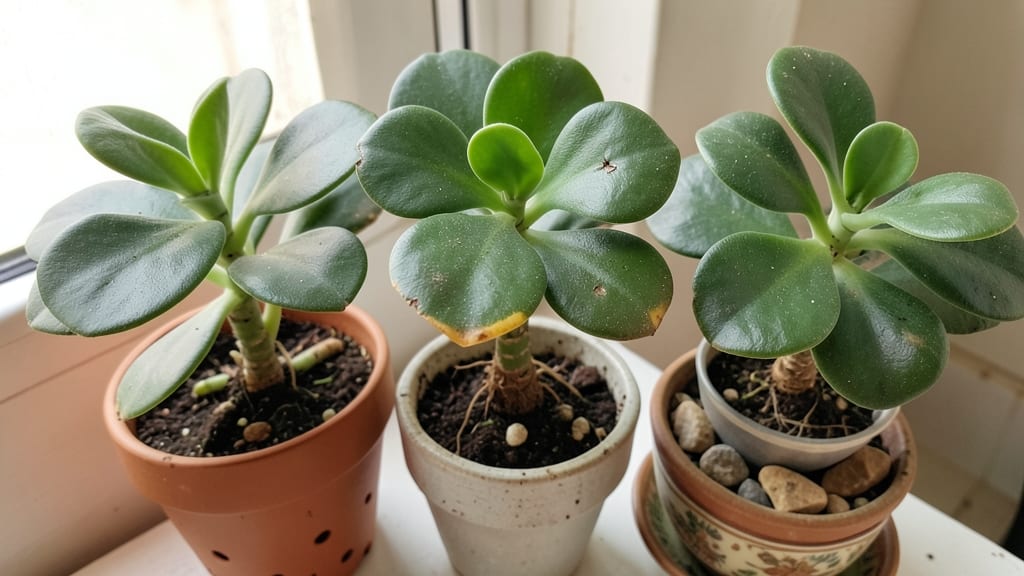
Potted indoor flowers can thrive even in rooms with no direct sunlight—my peace lilies prove it every year. 💚 I’ve turned dim corners into lush green spaces by picking the right plants and tweaking care just slightly.
The key isn’t complicated: it’s about matching the right flowers to your light conditions and keeping their other needs simple.
Start with low-light champions like snake plants, ZZ plants, or cast iron plants—these tough survivors handle neglect and dim corners without fuss. You’ll need well-draining soil, a pot with drainage holes, and a watering routine that mimics their natural drought tolerance.
Most indoor flowers prefer their soil to dry out slightly between waterings, which prevents root rot and keeps leaves vibrant.
Within weeks, you’ll see new growth where there was once just a bare shelf or windowsill. The air stays fresher, the space feels alive, and you’ll have blooms or foliage that lasts for months with minimal effort.
The secret is consistency—not perfection—and knowing when to adjust for seasonal changes like dry winter air.
This works for apartments, offices, or even bathrooms with no windows. Let’s pick the perfect plants for your space and get them flourishing without the guesswork.
📚 In This Guide
- What you need
- Instructions
- Tips and common mistakes
- Wrapping up and next steps
What you need
- ● Ready to bring the beauty of blooms indoors without sunlight? Here’s everything you’ll need to create a thriving potted indoor flower sanctuary—even in low-light spaces! 🌿✨
- ● Pro tip: 💡 If your space is truly dark, opt for Cast Iron Plant (Aspidistra) or Pothos—they’re nearly indestructible!
Step-by-Step instructions for growing potted indoor flowers without sunlight
Here's how to keep your indoor blooms vibrant even in dim corners of your home.
🪴 Step 1: Select the Right Containers and Drainage
Start with pots that have drainage holes—this is non-negotiable for preventing root rot. I like 6-8 inch pots for most varieties, as they provide enough space for roots to expand without overwhelming the plant. If your pots don’t have holes, drill 2-3 extra ones yourself. Place a piece of mesh or broken pottery over each hole to keep soil from washing out while still allowing water to drain freely.
Choose containers with a slightly larger diameter than the plant’s root ball—this gives roots room to grow without crowding. Terra cotta pots are great because they breathe, helping to regulate moisture. Just avoid glazed ceramic, which can trap too much humidity around the roots.
🌱 Step 2: Use the Right Soil and Fertilizer Mix
Fill your pots with a lightweight potting mix designed for indoor plants. Avoid garden soil—it compacts easily and doesn’t drain well in containers. I mix my potting soil with perlite or vermiculite (about 20% of the total volume) to improve aeration and drainage. This keeps roots from sitting in soggy soil, which is especially important for indoor plants that don’t dry out as quickly as outdoor ones.
Add a slow-release fertilizer to the soil before planting. I like to use a balanced, water-soluble fertilizer (like 10-10-10) and mix it into the top 2 inches of soil. This gives your plants a steady supply of nutrients without the risk of over-fertilizing. Water the soil lightly after mixing to help settle everything in place.
☀️ Step 3: Choose Low-Light-Tolerant Flower Varieties
Not all flowers thrive without sunlight, so pick varieties that do well in low to moderate indirect light. Some of my favorites include African violets, peace lilies, and spider plants—they’re forgiving and produce blooms even in dim corners. If you want something with brighter flowers, begonias or calatheas are great choices too. Avoid sun-loving plants like geraniums or petunias—they’ll just wilt without enough light.
When selecting your plants, check the leaf color and growth pattern. Healthy low-light plants have deep green leaves and compact growth. If you see pale or yellowing leaves, it’s a sign the plant isn’t getting enough light, even if it’s indoors. Place your pots near east-facing windows for the best natural light without direct sun exposure.
💧 Step 4: Water and Maintain Proper Humidity
Water your potted flowers only when the top inch of soil feels dry to the touch. Overwatering is the fastest way to kill indoor plants, so I always check the soil with my finger before adding more water. Use room-temperature water to avoid shocking the roots, and water until it drains out the bottom holes. Empty the saucer underneath after 10-15 minutes to prevent the roots from sitting in standing water.
Indoor plants often struggle with low humidity, especially if your home has dry air from heating or air conditioning. I place a humidity tray (a shallow tray filled with pebbles and water) under the pots to add moisture to the air. You can also mist the leaves lightly once a week, but avoid doing this if your plant has fuzzy or hairy leaves—it can clog the pores and cause issues.
✂️ Step 5: Prune and Encourage Continuous Blooming
Deadhead spent blooms regularly to encourage more flowers. Simply pinch off the faded flowers with your fingers or use small pruning shears. This redirects the plant’s energy toward producing new blooms instead of seeding. For plants like African violets, I also trim leggy stems to keep the plant compact and bushy. Just make sure to cut just above a leaf node so the plant can regrow from there.
Rotate your pots a quarter turn every few days so all sides of the plant get even light exposure. This prevents the plant from growing lopsided toward the window. If you notice yellow leaves at the bottom, it’s a sign the plant is outgrowing its pot—consider repotting into a container that’s 2 inches larger in diameter to give it more room.
Tips & tricks for perfect potted indoor flowers
These simple strategies will help you keep your indoor blooms thriving even in the dimmest corners of your home.
Drainage is Everything: In Step 1, those drainage holes aren't optional—they're essential. I've seen too many plants drown in soggy soil just because people skipped this step. If your pots don't have holes, drill them yourself using a nail or small drill bit. For extra insurance, place a coffee filter or mesh over each hole before adding soil—this prevents clogging while still allowing water to escape.
Soil Mix Matters: The 20% perlite or vermiculite in Step 2 isn't just fluff—it's what prevents root rot in indoor plants. I've learned this the hard way after watching plants suffer in compacted garden soil. Mix these amendments thoroughly before planting, and consider adding a handful of orchid bark for even better aeration. This light mix is especially important for low-light plants that don't dry out as quickly as outdoor varieties.
Light Check Strategy: When selecting plants in Step 3, pay attention to leaf color as your guide. Healthy low-light plants should have deep green leaves that look almost waxy. If you notice pale yellowing leaves after a few weeks, it's not a light deficiency—it's often a sign of overwatering. Move your plants to the brightest indirect light spot you have, usually near an east-facing window, and adjust your watering schedule accordingly.
Watering Wisdom: That 10-15 minute rule in Step 4 for emptying saucers is crucial. Standing water creates the perfect breeding ground for fungus and root rot. I've found that using a moisture meter (about $10 at garden centers) helps me track soil moisture more accurately than just feeling the top inch. For extra humidity-loving plants like calatheas, place the pot on a bed of damp pebbles instead of in a saucer to maintain consistent moisture levels without waterlogging.
Pro Tips for Potted Indoor Flowers
- These simple strategies will help you keep your indoor blooms thriving even in the dimmest corners of your home.
- Drainage is Everything: In Step 1, those drainage holes aren't optional—they're essential.
- Soil Mix Matters: The 20% perlite or vermiculite in Step 2 isn't just fluff—it's what prevents root rot in indoor plants.
Frequently asked questions
Got questions about keeping your potted indoor flowers happy without direct sunlight? You’re not alone! Here are answers to the most common concerns from fellow plant lovers:
How often should I water my indoor flowers?
Water your potted indoor flowers when the top inch of soil feels dry—usually every 7–10 days, depending on humidity and plant type. Overwatering is a common mistake! Pro tip: Stick your finger in the soil to check moisture levels before grabbing the watering can.
Can I grow flowers indoors without any natural light?
Many shade-tolerant varieties thrive with artificial grow lights (LED or fluorescent) for 12–16 hours daily. Try snake plants, peace lilies, or African violets—they’re low-light champions. Bonus: Rotate plants occasionally for even growth.
Why are my indoor flowers not blooming?
Low light, improper watering, or nutrient deficiencies often steal the show. Check these basics:
- Light: Even shade-loving plants need indirect light (east or north windows).
- Water: Avoid soggy soil—drainage holes are key!
- Food: Fertilize lightly every 4–6 weeks with a balanced indoor plant fertilizer.
How long does it take for indoor flowers to bloom?
Timing varies by plant! Most indoor flowers take 3–6 months to bloom after purchase, but some (like orchids) can take 1–2 years. Patience pays off—watch for buds forming as a sign they’re happy! Tip: Keep temps steady (65–75°F) for faster blooming.
How do I prevent pests like spider mites or aphids?
Inspect leaves regularly for sticky residue or tiny webs. Act fast with:
- Neem oil spray (mix 1 tbsp per quart of water).
- Isolate infected plants to stop spread.
- Wipe leaves with soapy water (1 tsp mild soap per quart).
Most pests hate humidity—keep air moving with a fan!
Wrapping up and next steps
Bringing life to your space with potted indoor flowers is easier than you think—even in low-light areas! 🌱 With the right low-light varieties, proper care, and a little creativity, you can enjoy vibrant blooms year-round.
Whether you're a seasoned plant parent or just starting, these sunless-friendly flowers prove that greenery thrives with patience and love.
Ready to transform your home? Pick your favorite low-light flower today, grab the supplies you need, and start your indoor garden journey. Your future self—and your plants—will thank you! 🌸