
Shrubs
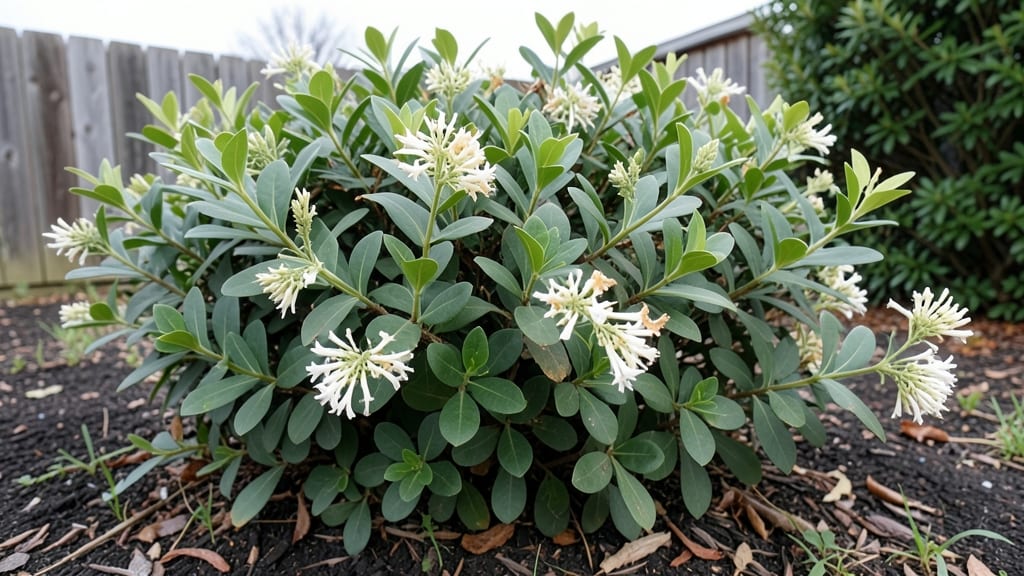
Encouraging your privet hedge flowering 🌿 transforms a simple green screen into a fragrant spring spectacle—but only if you know the right moves.
Your privet hedge isn’t just a living fence—it’s a seasonal showstopper when those fragrant white blooms appear. But why do some privets flower while others stay stubbornly bare? The secret lies in timing, care, and a few expert tricks most gardeners miss.
In USDA Zone 6a, spring is the magic window for blooms, but even the right season won’t guarantee flowers without proper pruning, sunlight, and soil prep. I’ll walk you through the exact steps to coax your hedge into full, lush flowering—plus the common mistakes that keep it looking bare.
Ready to turn your privet from plain to showstopping? Let’s get started with the science (and shortcuts) behind those fragrant clusters.
When and why privet hedges flower: seasonal timeline and plant biology
Privet hedges (Ligustrum spp.) burst into bloom with their signature fragrant white flowers in late spring, creating a stunning visual and aromatic display. This flowering isn’t just decorative—it’s a biological process tied to the plant’s growth cycle, age, and even pollinator interactions.
Understanding these factors helps explain why some privets flower abundantly while others remain sparse.
The natural flowering window for privet hedges typically spans May to June, though early varieties may bloom as soon as April in warmer climates. This timing aligns with the plant’s need to produce flowers before new growth hardens, ensuring energy isn’t wasted on both simultaneously.
Younger hedges (under 3 years old) often prioritize foliage growth over flowering, which is why they may appear bare.
Pollinators play a crucial role in privet flowering. Bees and butterflies visit the blooms, but poor pollinator activity can reduce fruit set (the small black berries that follow flowers). If your hedge has flowers but no berries, it might signal a lack of local pollinators or over-pruning that disrupts flower clusters. Even isolated hedges in urban areas may struggle without nearby pollinator-friendly plants.
Now, let’s break down the key factors influencing privet flowering in a clear, visual format:
The biological trigger for privet flowering begins in late winter when the plant senses increasing daylight. This process, called vernalization, signals the hedge to produce flower buds. If your privet is in a high-shade area or receives inconsistent light, it may skip flowering altogether.
Even over-fertilizing with nitrogen can shift energy toward leafy growth instead of flowers.
Another critical factor is the health of the hedge’s wood. Privets that suffer from disease (like powdery mildew) or insect damage (aphids, scale) often produce fewer flowers because their energy is diverted to recovery.
Regularly inspect your hedge for signs of stress, such as yellowing leaves or sticky residue on stems, which can indicate pest issues.
Age isn’t the only determinant—species differences matter too. For example, Ligustrum japonicum (Japanese privet) tends to have larger flower clusters than Ligustrum ovalifolium (California privet).
If you’re planting a new hedge and want maximum blooms, opt for varieties known for their fragrant, abundant flowers, like 'Amber Beauty' or 'Regent.' These cultivars are bred specifically for ornamental value.
Finally, don’t overlook the role of pollinators in your garden’s ecosystem. Planting pollinator-friendly companions like lavender, rosemary, or butterfly bush near your privet can increase the chances of successful pollination. Even a small bee-friendly garden section can make a difference, especially in urban areas where pollinators are scarce.
A well-pollinated privet will not only bloom more heavily but also produce those small black berries that add winter interest.
By understanding these seasonal triggers and plant biology basics, you can create the perfect conditions for your privet hedge to burst into a fragrant, flower-filled spectacle every spring. The key is balancing light, nutrition, and timing—and giving your hedge the care it needs to thrive. 🌿
5 Proven ways to encourage heavy privet hedge flowering this year
Privet hedges (Ligustrum spp.) are known for their lush foliage, but when they burst into bloom with fragrant white flowers, they truly shine. The key to heavy flowering lies in understanding your hedge's needs and implementing a few strategic gardening practices.
I’ve seen privet hedges transform from sparse bloomers to vibrant floral displays by focusing on just a few critical factors. Let’s dive into the top methods to encourage those coveted flowers this season.
First, timing is everything. Privet hedges typically bloom in late spring to early summer, but the foundation for abundant flowers is laid months earlier. Healthy growth in spring directly impacts the number of flower buds that form.
By addressing soil nutrition, pruning techniques, and watering schedules, you can create the perfect conditions for your hedge to thrive and flower heavily.
- 1 Prune in Late Winter: Cut back overgrown branches by one-third in February to encourage new growth and flower buds.
- 2 Boost Soil Nutrition: Use a balanced fertilizer (10-10-10 NPK) in early spring to provide essential nutrients for flower production.
- 3 Water Deeply and Infrequently: Give your hedge a deep soak every 7-10 days to encourage strong root growth, which supports flowering.
- 4 Ensure Full Sun Exposure: Plant in a spot with 6+ hours of sunlight daily to maximize flower production and overall plant health.
- 5 Prevent Disease with Proper Care: Monitor for powdery mildew and aphids, and treat early with neem oil or fungicides to keep your hedge healthy and flowering.
Let’s start with pruning, which is often misunderstood. Many gardeners prune at the wrong time or too aggressively, which can actually reduce flowering. The best time to prune your privet hedge is in late winter, just before new growth begins.
This encourages the plant to produce fresh, vibrant shoots that will later develop into flower buds. Avoid heavy pruning in summer or fall, as this can stunt new growth and reduce next year’s blooms.
Next up is soil nutrition, which is critical for flower production. Privet hedges thrive in well-draining soil rich in organic matter. I recommend amending your soil with compost or aged manure before planting and applying a balanced fertilizer (like 10-10-10 NPK) in early spring.
This gives your hedge the nutrients it needs to produce abundant flowers. Over-fertilizing with nitrogen-heavy products can lead to lush foliage but fewer blooms, so always follow the package instructions.
Watering might seem straightforward, but many gardeners either overwater or underwater their privet hedges. The key is to water deeply and infrequently. Once established, privet hedges are quite drought-tolerant, but they still need consistent moisture to support healthy growth and flowering.
Aim for a deep soak every 7-10 days, especially during dry spells. Watering in the morning helps reduce evaporation and prevents fungal diseases that can stress your hedge.
Sunlight is another critical factor for heavy flowering. Privet hedges thrive in full sun to partial shade, but they need at least 6 hours of direct sunlight daily to produce their best blooms. If your hedge is in a shady spot, consider transplanting it to a sunnier location.
Even partial shade can reduce the number of flowers, so prioritize sunlight if you want a hedge that’s bursting with blooms every spring.
Finally, don’t overlook disease prevention. Healthy privet hedges are less prone to pests and diseases, which can weaken the plant and reduce flowering. Keep an eye out for common issues like powdery mildew and aphids.
If you spot any problems, treat them early with neem oil or a fungicide to keep your hedge thriving. A healthy hedge is a flowering hedge!