
Trees
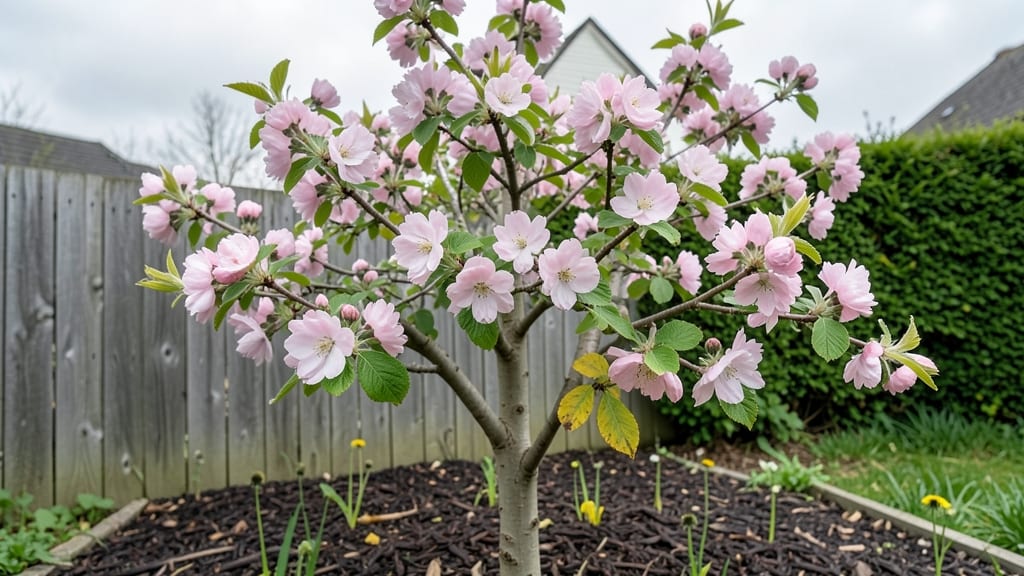
The Profusion flowering crabapple 🌳 delivers a dazzling spring show that lasts well into fall—but only if you prune it the right way.
Picture this: your yard explodes with pink blossoms in April, then puts on a second show in October, all while the rest of the neighborhood’s trees have gone quiet. That’s the magic of this variety, but it takes intentional pruning to unlock it.
Skip the rules, and you’ll end up with a tree that blooms once and then fades into the background.
Whether you’re a first-time gardener or a seasoned pro, the key lies in timing, technique, and timing again. Prune too late, and you cut off next year’s flowers.
Prune too aggressively, and you weaken the tree’s structure. Get it right, though, and you’ll enjoy year-round interest—from spring blooms to fall color—with minimal effort.
In this guide, I’ll walk you through the exact steps to keep your Profusion crabapple thriving, including when to prune, what tools to use, and how to spot (and fix) common mistakes before they ruin your tree’s potential.
When and how to prune Profusion crabapple trees for maximum blooms
The Profusion flowering crabapple thrives on precise pruning timing to maintain its year-round blooming habit. Unlike traditional crabapples that bloom only in spring, this variety rewards you with pink blossoms from late winter through fall—but only if you prune at the right time.
Late winter or early spring, just before buds swell, is your golden window for shaping the tree without sacrificing future blooms.
Pruning at the wrong time—like mid-summer—can trigger overgrowth and reduce flowering. The key is to balance removal while preserving the tree’s natural structure. Start by identifying three-year-old branches, as these bear the most flowers.
Use sharp, clean tools to make 45-degree cuts just above outward-facing buds to encourage new growth in the right direction.
⚠️ Critical Tip: Never remove more than 25% of the tree’s canopy in a single session. Over-pruning stresses the tree and can lead to reduced blooms or even dieback. For mature trees, spread pruning over 2-3 years to avoid shock.
Step-by-Step Pruning Guide for Profusion Crabapple
-
Step 1: Choose the Right Time
Prune in late winter (February-March) or early spring (April), just before buds break. Avoid pruning after June 15th to prevent summer growth that won’t harden before winter.
-
Step 2: Gather the Right Tools
Use bypass pruners for small branches (½-inch thick) and a pruning saw for thicker limbs. Sterilize tools with rubbing alcohol to prevent disease spread.
-
Step 3: Remove Dead or Diseased Wood
Cut out dead branches (no green tissue inside) and any with fungus or cankers). Make cuts 6 inches below the affected area to ensure removal of the entire infected section.
-
Step 4: Thin the Canopy
Selectively remove crossing branches and those growing inward to improve airflow. Aim to open the center of the tree to 30-40% sunlight penetration.
-
Step 5: Shape for Blooms
Focus on three-year-old wood, as these branches produce the most flowers. Cut back 1/3 of the oldest blooming stems each year to encourage new flowering wood.
-
Step 6: Make Clean Cuts
Cut at a 45-degree angle, ¼-inch above an outward-facing bud. Avoid leaving stubs, which invite disease. Seal larger cuts (>1-inch diameter) with pruning sealant.
-
Step 7: Clean Up
Rake up and dispose of all clippings to prevent fungal spores from reinfecting the tree. Water the base thoroughly after pruning to reduce stress.
After pruning, monitor your Profusion crabapple for new growth. Healthy branches should sprout within 4-6 weeks. If you notice yellowing leaves or stunted growth, you may have over-pruned—reduce future cuts by 50% the following year. For young trees (<5 years old), limit pruning to light shaping to establish a strong structure early.
In fall, perform a light maintenance prune to remove any winter-damaged branches or suckers (shoots growing from the base). Avoid heavy pruning in fall, as it can stimulate tender growth that won’t survive frost. Instead, focus on cleaning up debris and mulching to protect roots during winter.
For mature trees, divide pruning into two sessions: a light winter prune (February) to remove deadwood and a summer thinning (July-August) to improve airflow. This two-step approach ensures continuous blooms without stressing the tree.
Always step back and admire your work—your Profusion crabapple should now be on track for a spectacular spring and fall display! 🌷
Pro tip: Take before-and-after photos each year to track your tree’s progress. Over time, you’ll develop an eye for the ideal shape that maximizes blooms while keeping the tree healthy. With patience and precision, your Profusion crabapple will become the showstopper of your landscape! ✂️
Common pruning mistakes that kill year-round flowering (and how to fix them)
Your Profusion flowering crabapple could be a year-round blooming superstar—but only if you avoid these five deadly pruning mistakes. Many gardeners accidentally turn their vibrant spring display into a one-season spectacle by cutting at the wrong time or ignoring critical signs of stress.
Let’s fix that before your tree’s next bloom cycle.
First, the biggest mistake? Pruning at the wrong time of year. Unlike many trees, the Profusion crabapple blooms on old wood, meaning last year’s growth holds this year’s flowers.
If you prune in late winter or early spring before blooms appear, you’re essentially snipping off potential blossoms before they even open. Timing is everything here.
Another silent killer is over-pruning. Some gardeners get aggressive with their shears, thinking more cuts mean a bushier tree. But removing more than 25% of the canopy in one session stresses the tree, weakens its structure, and can lead to fewer blooms.
Think of pruning as a conversation with your tree—not a battle.
Here’s where things get critical: ignoring dead or diseased wood. Dead branches not only look unsightly but also drain energy from your tree. If left unchecked, they can spread disease to healthy branches.
The fix? Remove them immediately—but do it right. Use sterilized pruning tools and cut back to the branch collar, never leaving stubs.
Cutting too late in the season (after June 15) can remove next year’s flower buds, turning your tree into a one-season bloomer. Topping the tree (cutting back to stubs) weakens its structure and invites disease. Pruning during wet weather spreads fungal spores, while using dull tools tears bark, creating entry points for pests.
🔹 Recovery Checklist: Sterilize tools with 70% alcohol, prune only dry weather, and never remove more than 25% of the canopy in one session.
Don’t forget about improper cutting angles. A clean, slanted cut just outside the branch collar promotes faster healing, while a jagged cut invites rot. Always aim for a 45-degree angle and avoid leaving stubs.
And if you’re pruning for shape, focus on opening the canopy to improve airflow—this reduces disease risk and encourages more blooms.
Finally, many gardeners skip post-pruning care. After pruning, apply a balanced fertilizer (like 10-10-10) and mulch around the base to retain moisture. This helps your tree recover faster and sets it up for a stronger bloom cycle next year. Think of it as a recovery smoothie for your tree!
With these fixes, your Profusion flowering crabapple will reward you with year-round color—spring blooms, summer foliage, and even fall interest. Now grab those shears and give your tree the care it deserves! 🌷