
Trees
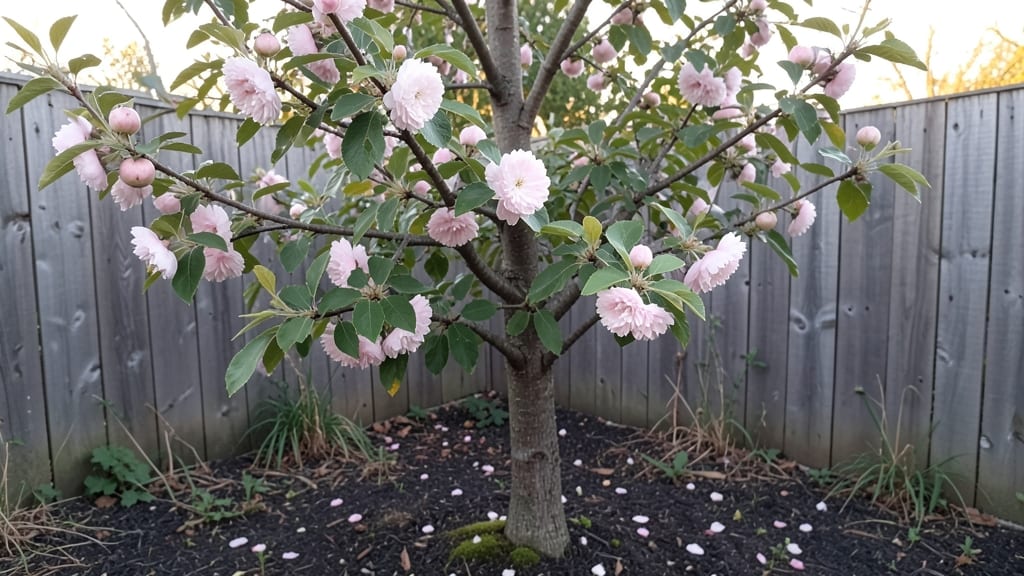
Transform your yard with a pink flowering crabapple tree 🌸 — its showstopping blossoms and year-round interest make it the ultimate low-maintenance star.
Imagine a backyard bursting with vibrant pink blooms in spring, glossy foliage through summer, and striking fall color—all from a single, low-maintenance tree. Pink flowering crabapple trees deliver exactly that, blending beauty with resilience for effortless curb appeal.
Whether you’re designing a statement entrance or filling a shady corner, these trees thrive in USDA Zone 6a and beyond, adapting to almost any landscape. Their compact size (typically 15-25 feet tall) makes them perfect for lawns, borders, or mixed shrubbery without overwhelming small spaces.
Below, I’ll share five top varieties to match your style, plus pro tips on planting, care, and pairing them with complementary plants for a cohesive look. Let’s make your garden the talk of the neighborhood!
Top 5 pink flowering crabapple tree varieties for every landscape
Pink flowering crabapple trees are the stars of spring gardens, offering vibrant pink blossoms, glossy green foliage, and seasonal interest that lasts year-round. Whether you have a small urban yard or a spacious rural landscape, there's a perfect pink crabapple variety to match your space and style.
These trees thrive in USDA Zones 4-8 and require minimal maintenance, making them ideal for both novice and experienced gardeners.
Choosing the right variety depends on your space constraints, bloom preferences, and seasonal color goals. Some varieties burst with double pink flowers, while others offer compact growth for tight spaces.
Below, I’ve compared the top 5 pink flowering crabapple trees to help you pick the perfect fit for your landscape.
⚠️ Comparison Key: Use this table to compare mature size, bloom intensity, fall color, and maintenance needs at a glance.
If you’re dreaming of a showstopping focal point, the 'Royal Raindrops' crabapple is a top choice. This variety features deep pink, double blooms that create a cascading effect, perfect for large lawns or as a centerpiece in a garden bed.
Its 15-20 ft mature height makes it ideal for open spaces, and the orange-red fall foliage adds seasonal interest long after the blooms fade.
The 'Pink Spires' crabapple is my go-to for smaller landscapes or urban gardens. Its 12-15 ft height and soft pink, semi-double flowers create a delicate, romantic look.
This variety also produces purple-red fall color, making it a year-round performer. Plus, it’s disease-resistant, which means less maintenance for you.
For those with rural properties or spacious backyards, the 'Dolgo' crabapple delivers bold magenta-pink blooms and a 20-25 ft mature height. This variety is a statement tree, offering dramatic color and deep red fall foliage.
It’s perfect if you want a tree that commands attention and adds winter interest with its persistent fruit.
Looking for a pollinator-friendly option? The 'Snowdrift' crabapple blends white and pink blooms for a soft, ethereal look. Its 15-20 ft height works well in mixed borders or as part of a wildlife garden.
The yellow-orange fall color adds warmth to your landscape, and its low-maintenance nature makes it a breeze to care for.
Lastly, the 'Pink Pearl' crab
How to plant and care for pink flowering crabapple trees for maximum blooms
Pink flowering crabapple trees are a gardener's dream—easy to grow yet breathtakingly beautiful. To ensure your tree thrives and produces vibrant pink blooms every spring, start with the right planting location and soil conditions.
These trees love full sun exposure and well-draining soil, which sets the stage for healthy roots and abundant flowers. With proper care, your tree can grow into a stunning focal point that enhances your landscape for decades.
Timing is everything when planting. The best time to plant your pink flowering crabapple tree is in early spring (April) or fall (October), when temperatures are mild and the tree can establish roots before extreme weather.
Avoid planting during summer heat or winter frost, as these conditions stress young trees. Once planted, consistent watering and seasonal maintenance will keep your tree looking its best with minimal effort.
Step-by-Step Planting & Care Guide
-
Step 1: Choose the Perfect Spot
Select a location with 6+ hours of full sun daily. Ensure the area has well-draining soil to prevent root rot. Avoid low spots where water pools, as soggy soil can harm your tree.
-
Step 2: Dig the Planting Hole
Dig a hole twice as wide as the root ball but no deeper. Loosen the sides of the hole to encourage root growth. If your soil is heavy clay or sandy, amend it with compost or organic matter to improve drainage.
-
Step 3: Plant with Care
Remove the tree from its container and gently loosen the roots. Place it in the hole so the top of the root ball is 1-2 inches above ground level. Backfill with native soil, tamping lightly to remove air pockets.
-
Step 4: Water Deeply
Water the tree immediately after planting with 15-20 gallons of water to settle the soil. Create a 4-inch mulch ring around the base (avoid touching the trunk) to retain moisture and suppress weeds.
-
Step 5: Fertilize for Growth
Apply a balanced fertilizer (10-10-10) in early spring to promote new growth. Avoid fertilizing in summer or winter, as this can stress the tree. Lightly feed in fall to support root development before dormancy.
-
Step 6: Prune for Health
Prune in late winter or early spring to remove dead, diseased, or crossing branches. Avoid heavy pruning, as this can reduce next year’s flowering potential. Thin out dense areas to improve airflow and sunlight penetration.
-
Step 7: Monitor & Maintain
Check for pests like aphids or diseases such as fire blight regularly. Water deeply every 7-10 days in the first year, then reduce to every 10-14 days once established. Mulch annually to protect roots and conserve moisture.
One of the biggest mistakes gardeners make is overwatering their crabapple trees. While young trees need consistent moisture, mature trees are drought-tolerant once established. Focus on deep, infrequent watering to encourage strong root growth.
This method mimics natural rainfall and helps prevent shallow roots, which can make trees more susceptible to stress.
For maximum blooms, pay attention to your tree’s nutritional needs. A light feeding in early spring with a balanced fertilizer ensures your tree has the energy it needs to produce vibrant pink flowers.
Avoid heavy fertilizers, which can lead to excessive foliage growth at the expense of blooms. Instead, think of fertilizing as a gentle nudge to support overall health.
With these simple steps, your pink flowering crabapple tree will reward you with stunning spring blooms, lush summer foliage, and beautiful fall color—all while requiring minimal maintenance. Whether you’re a beginner or a seasoned gardener, this tree is a fantastic addition to any landscape. 🌸🌿