
Trees
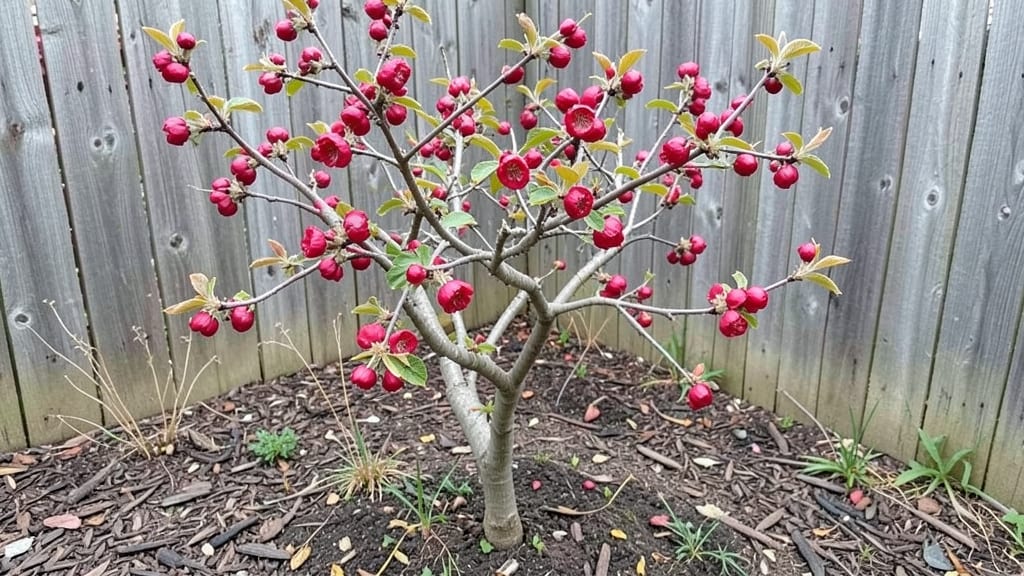
The red flowering crabapple 🌸 is the showstopper of spring gardens, bursting with bold red blooms that turn heads and attract pollinators for months.
Picture this: your yard transformed into a riot of color by April, with bees buzzing around vibrant blossoms that last weeks longer than most spring flowers.
These trees aren't just pretty faces—they're low-maintenance workhorses that thrive in USDA Zone 6a and beyond, offering year-round interest from their striking foliage to their ornamental fruit.
Whether you're planting for curb appeal, wildlife support, or simply to enjoy nature's fireworks, this guide covers everything from planting in early spring or fall to keeping your tree healthy with minimal effort.
We'll show you how to coax those fiery red flowers to their fullest potential while avoiding common pitfalls that turn pretty trees into pruning nightmares.
Ready to add a pollinator magnet that requires less work than your average lawn? Let's get your red flowering crabapple growing like a pro.
Top 5 red flowering crabapple varieties for stunning spring displays
When selecting red flowering crabapple trees for your landscape, the right variety can transform your garden into a springtime masterpiece. These trees aren’t just about vibrant red blossoms—they offer year-round interest with colorful foliage, ornamental fruit, and even wildlife benefits.
Whether you want a compact specimen for small yards or a statement tree for large landscapes, there’s a perfect match among these top five red-flowering varieties.
Each cultivar brings unique traits to the table, from prolonged bloom times to disease resistance and compact growth habits. I’ve grown several of these myself, and I can confidently say they’re game-changers for adding seasonal color and pollinator appeal to any garden.
Let’s dive into the details so you can choose the best fit for your space and style.
🌸
The Red Baron is my go-to for disease resistance and bold red blooms. It’s a reliable performer that thrives in USDA zones 4-8 and produces bright red fruit that persists into winter, adding winter interest.
If you’re short on space, the Centennial variety is a compact powerhouse with a long bloom season and disease resistance built in.
For those who love fragrant flowers and fall color, the Sargent crabapple is a standout. Its pinkish-red blooms are highly fragrant and attract bees and butterflies in droves. Meanwhile, the Adirondack variety is perfect for drought-prone areas thanks to its tolerance for dry conditions and vibrant fall foliage.
If you’re looking for a neat, upright form with fire blight resistance, Malus 'Evereste' is an excellent choice. It’s a low-maintenance option that still delivers showy fruit clusters and seasonal interest.
Each of these varieties brings something unique to your garden, whether it’s disease resistance, compact size, or year-round color.
When selecting your red flowering crabapple, consider your garden’s space constraints, climate zone, and maintenance preferences. For small gardens, the Centennial or Red Baron are ideal. For larger landscapes, the Sargent or Adirondack will make a stunning focal point.
No matter which you choose, you’ll enjoy vibrant spring blooms, seasonal foliage, and wildlife benefits all year long.
🌿
One of the best parts of planting red flowering crabapples is their ability to support pollinators and wildlife. The fragrant blooms attract bees and butterflies early in the season, while the fruit clusters provide food for birds and small mammals later in the year.
If you’re aiming to create a pollinator-friendly garden
How to plant and care for red flowering crabapple trees for maximum blooms
Planting a red flowering crabapple tree is one of the best ways to add year-round color and pollinator support to your landscape. These trees thrive with the right planting conditions and seasonal care, rewarding you with vibrant red blossoms every spring and striking foliage throughout the year.
Whether you're a beginner or an experienced gardener, following these steps will help you cultivate a healthy, blooming tree.
Before you dig, choose a sunny location with well-draining soil—these trees despise soggy roots. A spot with 6+ hours of sunlight daily ensures the best flower production and compact growth habit. If your soil is heavy clay, amend it with compost or sand to improve drainage.
The ideal planting window is early spring or fall, when temperatures are mild and the tree can establish roots without stress.
🌱 Pro Tip for Planting:
Dig a hole twice as wide as the root ball but only as deep as the container. Loosen the roots gently if they're circling, then place the tree so the graft union (visible bump near the base) sits 2-3 inches above soil level. Backfill with native soil mixed with compost to encourage root spread.
Once planted, focus on consistent watering for the first two years to help the tree establish. Water deeply once a week during dry spells, ensuring the soil stays moist but not waterlogged.
Mulch around the base with 2-3 inches of organic mulch, keeping it away from the trunk to prevent rot. This helps retain moisture and regulates soil temperature, which is crucial for healthy root development.
Pruning plays a key role in encouraging blooms and maintaining the tree's shape. The best time to prune is late winter or early spring, just before new growth begins. Remove dead, diseased, or crossing branches first, then thin out overcrowded areas to improve airflow.
Avoid heavy pruning—aim to remove no more than 25% of the canopy in any one year to prevent stress. For maximum flowers, focus on opening up the center of the tree to let sunlight reach inner branches.
Fertilizing your red flowering crabapple supports vigorous growth and abundant blooms. In early spring, apply a balanced fertilizer (10-10-10) around the drip line, not the trunk. Use 1 cup per 10 square feet of soil area, and water thoroughly afterward.
Skip fertilizing in summer and fall to allow the tree to harden off for winter. Over-fertilizing can lead to excessive foliage at the expense of flowers.
Seasonal care keeps your tree thriving year-round. In winter, protect young trees from winter burn by wrapping the trunk with tree wrap or burlap. Monitor for pests like aphids or scale, which can weaken the tree.
If you notice yellowing leaves or stunted growth, check for disease or nutrient deficiencies and adjust care accordingly. With proper attention, your red flowering crabapple will reward you with show-stopping blooms for decades.
With the right planting location, watering routine, and pruning schedule, your red flowering crabapple will become a garden centerpiece that attracts bees, butterflies, and birds. Plus, its low-maintenance nature makes it perfect for busy gardeners who still want high-impact results. Happy planting!