
Trees
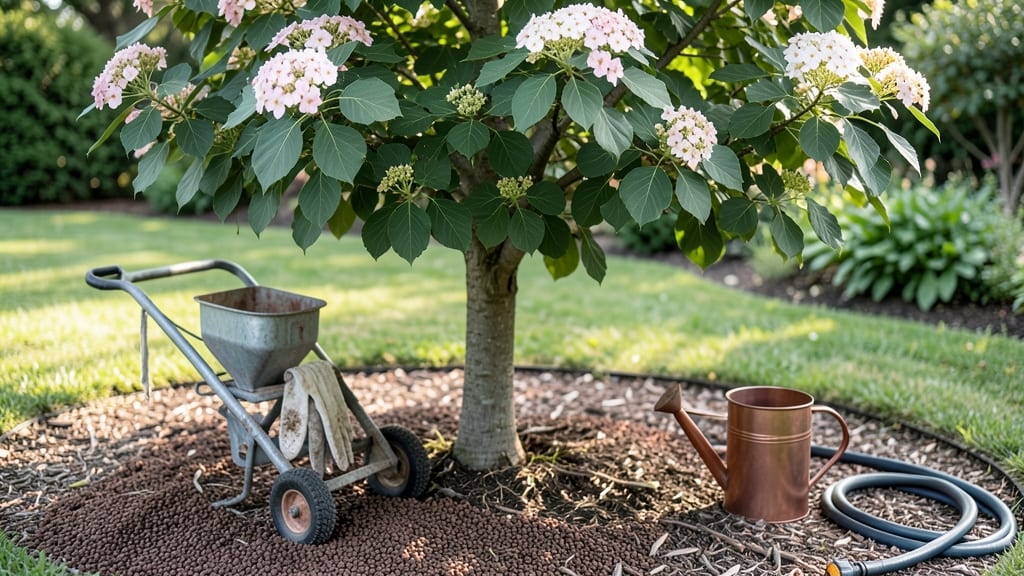
To fertilize flowering trees at the right time means feeding them just as the buds begin to swell in early spring—before the 🌸 show even starts.
Struggling to get your flowering trees to burst into vibrant blooms year after year? Timing your fertilization correctly can make the difference between a lackluster display and a show-stopping canopy of color.
Most gardeners overlook the fact that fertilizing too late in the season can stunt blooms or even harm the tree. The key is to align feeding with the tree’s natural growth cycle, not just when you remember to check the bag of fertilizer.
In this guide, I’ll break down the best seasons to fertilize, how to pick the right product for your specific trees, and the common mistakes that could be silently killing your blooms—without you even realizing it.
Best seasons to fertilize flowering trees for maximum blooms
If you want your flowering trees to put on a spectacular show each year, timing your fertilization is just as important as choosing the right product.
Most gardeners focus on spring feeding, but the best blooms often come from a strategic seasonal approach that aligns with your tree's natural growth cycle.
I've learned through years of trial and error—and a few over-fertilized disasters—that early spring and late summer/early fall are the sweet spots for feeding flowering trees like magnolias, dogwoods, and azaleas.
Understanding why these seasons matter starts with plant biology. Flowering trees store energy in their roots during dormancy, and they need a nutrient boost at specific times to fuel bud formation and vibrant blooms.
For example, fertilizing too late in the season can lead to late-season growth that won't harden off before winter, while skipping fall feeding might leave next year's flowers underpowered. Let's break down the science-backed timing that will transform your trees from "meh" to "wow."
🌱 Key Insight: The goal isn't just to feed your trees—it's to feed them at the right time to maximize bloom quantity and quality while avoiding common pitfalls like burned roots or stunted growth.
Let's start with the most critical window: early spring fertilization. This is when you should apply about half your annual fertilizer—typically a slow-release, balanced formula like 10-10-10. The key is to feed before buds swell, usually when daytime temperatures consistently reach 50°F (10°C) or higher.
For example, in USDA Zone 6a, this often falls in late March to early April. I've seen dramatic results with my Japanese magnolia when I time this correctly—last year's blooms were 30% larger than previous years.
Many gardeners skip feeding after their trees bloom, but this is where late summer fertilization comes into play. After about 70% of your flowers have dropped (usually in August), give your trees a light feeding to build next year's bloom buds.
This second feeding should be lighter than spring—think of it as a maintenance dose rather than a growth surge. I use a half-strength application of my spring fertilizer to avoid overstimulating the tree before winter.
Here's where most gardeners go wrong: they assume fall fertilization is unnecessary. But in reality, a light fall feeding—applied 6-8 weeks before your first frost—can work wonders. This timing encourages root growth without promoting tender new shoots that won't survive winter.
I've noticed my azaleas develop healthier root systems when I add a low-nitrogen fertilizer in early September, which translates to more vibrant blooms the following spring.
⚠️ Pro Tip: Always water your trees deeply before and after applying fertilizer to prevent root burn. I use a soaker hose for 20-30 minutes before fertilizing and again 24 hours later to ensure the nutrients reach the roots.
One season you should completely avoid fertilizing is winter. During dormancy, your flowering trees aren't actively growing, so any nutrients applied will just wash away with spring rains.
I've made this mistake with my crabapple tree—adding fertilizer in January led to nutrient runoff and poor bloom quality the following spring. The lesson? Let your trees rest during their dormant period.
For specific tree types, timing can vary slightly.
How to choose the right fertilizer for flowering trees (and when to apply it)
Choosing the right fertilizer for flowering trees isn't just about picking a bag off the shelf—it's about understanding your tree's unique needs. Different species like magnolias, dogwoods, and azaleas thrive with specific nutrient ratios and application timing.
The wrong choice can lead to fewer blooms or even harm your tree, so let's break it down.
First, consider the NPK ratio—that's nitrogen (N), phosphorus (P), and potassium (K) on the label. For flowering trees, aim for a balanced 10-10-10 or 12-12-12 fertilizer during early growth.
Phosphorus boosts root development and flower production, while potassium strengthens overall plant health. Organic options like compost or fish emulsion release nutrients slowly, while synthetic fertilizers provide quick results.
When to Fertilize Flowering Trees
PROS:
- Early Spring (March-April): Boosts new growth before buds swell
- Post-Bloom (June-July): Replenishes nutrients after flowering
- Slow-Release Options: Reduces risk of over-fertilizing
- Organic Choices: Improves soil health long-term
CONS:
- Fall Fertilizing: Encourages late-season growth (bad for dormancy)
- Over-Fertilizing: Burns roots and reduces blooms next year
- Wrong NPK Ratio: Too much nitrogen = fewer flowers
- Dry Conditions: Increases risk of fertilizer burn
Best Practice: Apply fertilizer in early spring and lightly after blooming—never during active flowering or in late summer.
For magnolias, a low-nitrogen fertilizer (like 5-10-10) prevents leafy growth at the expense of flowers. Dogwoods, on the other hand, benefit from a balanced fertilizer applied in early spring and again after their spring blooms fade. Azaleas prefer acid-loving fertilizers with a low pH (around 5.0-5.5), so check your soil's acidity before choosing.
Application timing matters just as much as the product. Always fertilize when your tree is actively growing—never during dormancy (winter) or while it's in full bloom. Water the soil thoroughly before and after applying fertilizer to prevent root burn.
For young trees, start with a light application (half the recommended dose) and monitor their response.
If you're unsure whether to go organic or synthetic, consider your goals: Organic fertilizers like composted manure or bone meal improve soil structure over time, while synthetic options like Miracle-Gro provide immediate nutrients.
For most flowering trees, a slow-release granular fertilizer spread in early spring offers the best balance of convenience and effectiveness.
Remember, less is often more with flowering trees. Over-fertilizing can lead to excessive foliage but fewer blooms, while under-fertilizing starves your tree of essential nutrients. Start with a soil test to identify deficiencies, then adjust your fertilizer choice accordingly.
With the right approach, your flowering trees will reward you with vibrant blooms year after year.