
Shrubs
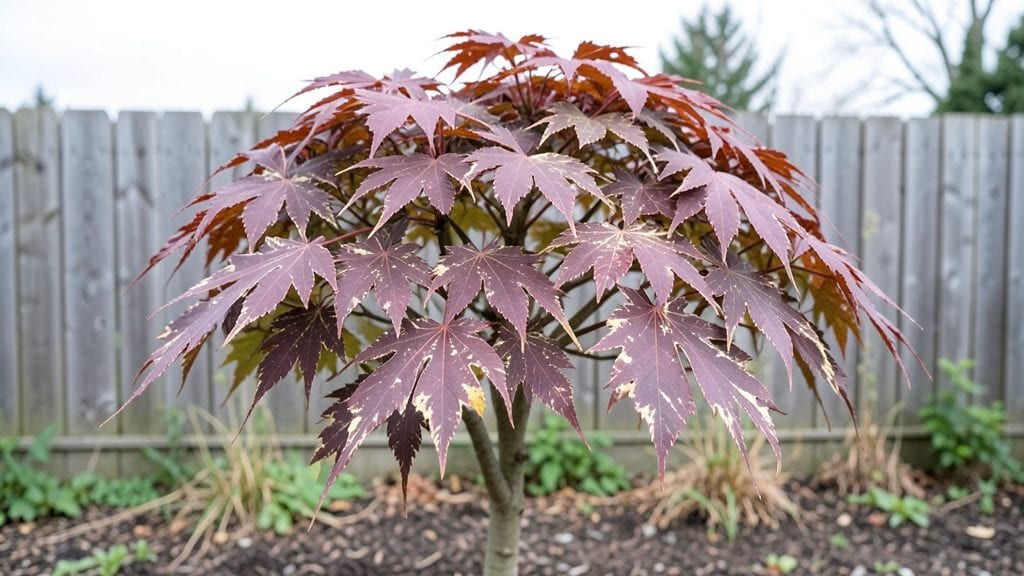
Growing a variegated flowering maple 🌿 transforms your garden into a living canvas of color, blending delicate blooms with striking foliage that never fades out of season.
Imagine a tree that bursts with vibrant spring blooms, transitions into golden fall foliage, and keeps its variegated leaves shimmering all year—without the fuss of constant maintenance. The variegated flowering maple isn’t just a dream; it’s a game-changer for landscapes craving year-round visual impact.
If you’ve ever struggled to find a plant that delivers bold color while staying low-maintenance, this is your solution. Whether you’re a seasoned gardener or just starting, its adaptability and stunning appearance make it a standout choice for any outdoor space.
In this guide, you’ll discover the secrets to planting, pruning, and caring for your variegated flowering maple so it thrives—from selecting the perfect spot to keeping those leaves vibrant and blooms abundant.
How variegated flowering maples create stunning year-round color displays
The secret behind the variegated flowering maple's dazzling displays lies in its botanical duality. These trees combine the delicate pink/white blooms of spring with creamy-yellow variegated foliage that shimmers year-round.
Their genetic variegation creates a natural contrast that catches sunlight at every angle, while anthocyanin pigments in fall transform leaves into fiery oranges and reds.
What makes them truly magical is how sunlight exposure and pruning techniques amplify these colors. Too much direct sun can scorch the variegated edges, while strategic pruning opens the canopy to enhance fall color intensity.
The result? A tree that feels like nature's own living canvas, changing with each season's light and temperature shifts.
🌱
The spring spectacle begins when chilling temperatures break winter dormancy, triggering flower bud development. These pink/white blossoms appear before the leaves, creating a stunning contrast against the emerging variegated foliage.
The creamy-yellow edges are caused by reduced chlorophyll in certain leaf cells—a genetic quirk that makes these trees stand out even in summer's green backdrop.
As summer progresses, the variegated pattern becomes more pronounced with filtered sunlight. This is why I always plant mine in partial shade—it protects the delicate variegated edges from scorching while allowing enough light for vibrant color.
The green centers of the leaves maintain photosynthesis, keeping the tree healthy while the edges dazzle.
Then comes fall's transformation, when cool nights and warm days trigger anthocyanin production. These pigments turn the foliage into deep reds and oranges, while the variegated edges create a stunning two-tone effect.
This is where pruning strategy matters most—I always remove dense inner branches to allow maximum sunlight penetration, which intensifies the fall colors.
The winter display might seem subtle, but it's where the textural beauty shines. The exfoliating bark reveals layered patterns, while the variegated leaves often persist until late winter. This year-round interest is why landscape designers love these trees—they never go unnoticed in any season.
To maximize these seasonal transformations, I focus on three key practices: proper sunlight exposure, strategic pruning, and seasonal care adjustments.
For example, spring pruning should wait until after flowering to preserve next year's blooms, while fall pruning can be more aggressive to open the canopy for better winter sunlight exposure.
Even the watering schedule changes—more frequent in summer to support the variegated foliage, but reduced in winter to encourage dormancy.
One common mistake I see is over-pruning to maintain a specific shape, which can reduce flowering and dim variegation. Remember, these trees thrive on natural form. Another tip: mulch heavily in winter to protect the root system and preserve the variegated leaves longer into the season.
The result? A tree that performs like a well-choreographed color show every year.
For those in warmer climates (zones 7-9), the variegated flowering maple can even retain some foliage year-round, creating a tropical feel in landscapes. In cooler zones (4-6), they still deliver
Top 5 variegated flowering maple varieties for different landscape needs
Selecting the right variegated flowering maple can transform your garden into a living canvas of color. These stunning cultivars offer year-round interest with their variegated foliage and delicate spring blooms.
Whether you need a compact urban tree or a statement specimen for large estates, there's a perfect match waiting for you.
I've curated the top 5 varieties based on their size potential, hardiness zones, and maintenance requirements. Each brings unique visual appeal while adapting to different landscape challenges. Let's explore which one will thrive in your space and elevate your garden's aesthetic.
| Variety | Mature Size | Hardiness Zones | Best For | Maintenance |
|---|---|---|---|---|
| Acer japonicum 'Aureum' | 15-20 ft tall | 5-8 | Urban gardens, containers | Low (drought-tolerant) |
| Acer palmatum 'Sango-kaku' | 10-15 ft tall | 5-8 | Small landscapes, bonsai | Moderate (needs pruning) |
| Acer rubrum 'Autumn Flame' | 20-30 ft tall | 3-8 | Large estates, woodland gardens | Low (native hardiness) |
| Acer saccharinum 'Laciniatum' | 25-35 ft tall | 4-9 | Water gardens, statement trees | Moderate (needs space) |
| Acer buergerianum 'Variegatum' | 15-20 ft tall | 6-9 | Containers, small yards | Low (compact growth) |
For urban gardeners with limited space, Acer japonicum 'Aureum' is my top recommendation. Its compact size and drought tolerance make it perfect for containers or small yards. The golden-yellow variegation on its leaves creates a striking contrast against city backdrops, while its spring flowers add seasonal interest.
If you're creating a Japanese-inspired garden, Acer palmatum 'Sango-kaku' delivers elegant beauty with its delicate lace-like foliage. This variety thrives in small spaces and even works well as a bonsai specimen. Just be prepared for slightly higher maintenance to preserve its unique form.
For those with large properties, Acer rubrum 'Autumn Flame' offers dramatic seasonal color. Its vibrant red fall foliage and pink spring blooms create a stunning focal point. This native variety also supports local wildlife, making it an eco-friendly choice.
Consider Acer buergerianum 'Variegatum' if you want a versatile container tree. Its creamy-white variegation stands out beautifully in patio settings or as a specimen plant. The best part? It's low-maintenance and adapts well to urban pollution.
For a truly spectacular statement, plant Acer saccharinum 'Laciniatum' near a water feature. Known as the golden lacebark maple, its weeping branches and golden foliage create a magical atmosphere. Just ensure you have ample space for its mature size.