
Pruning
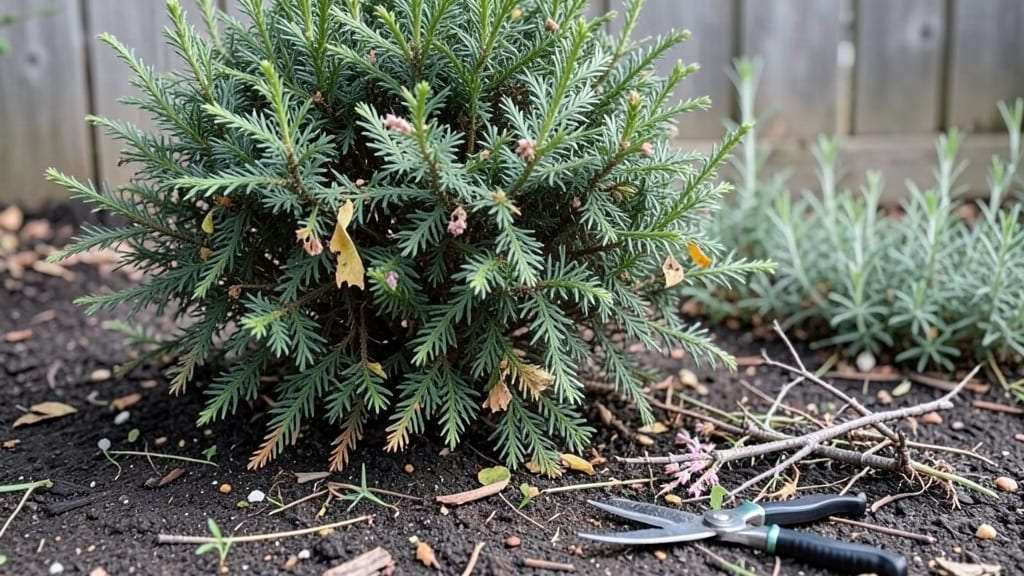
Pruning Chinese fringe flower transforms a scraggly shrub into a vibrant, year-round bloomer with just a few strategic cuts. ✂️ I’ve pruned these plants for years, and the difference between a well-shaped specimen and one left to its own devices is striking—denser foliage, more flowers, and a compact form that fits any landscape.
The key is timing: prune after flowering in late spring or early summer, when new growth is already pushing out.
You’ll only need three basic tools: sharp bypass pruners for clean cuts, loppers for thicker stems, and gloves if you’re sensitive to the fine hairs on the leaves. Start by removing any dead or crossing branches first—this opens up the center for airflow and sunlight.
Then, cut back up to one-third of the plant’s height to encourage bushier growth, but never more than that in a single season. The goal is to maintain shape without stressing the plant.
Within 4-6 weeks, you’ll see fresh green shoots emerging from the pruned areas, and by next spring, your Chinese fringe flower will be bursting with new blooms. The flowers themselves are delicate, with frilly purple or pink edges that last longer when you prune correctly.
This technique also keeps the plant from becoming top-heavy, which is especially important in windy areas. The result? A plant that looks polished all year, not just during its peak flowering season.
This method works equally well for smaller patio plants or larger landscape specimens, though larger shrubs may need a second light pruning in late summer. Just avoid pruning in fall or winter—you’ll risk removing next year’s flower buds before they form.
With this approach, your Chinese fringe flower will reward you with nearly continuous color and a shape that stays neat without constant maintenance.
📚 In This Guide
- What you need
- Instructions
- Tips and common mistakes
- Wrapping up and next steps
What you need
- ● Pruning shears: Sharp, bypass-style shears (4-6" blades) for clean cuts. Sterilize with rubbing alcohol before and after use!
- ● Hand pruners: For smaller branches (2-3" blades). Look for ergonomic grips to avoid hand fatigue.
- ○ Loppers: Optional but handy for thicker stems (up to 1.5" diameter). Choose ratchet-style for ease.
- ● Garden gloves: Heavy-duty, nitrile-coated gloves to protect against thorns and sap.
- ● Disinfectant spray: 70% isopropyl alcohol or a horticultural spray to prevent disease spread.
- ● Sharpie or permanent marker: For marking cuts if you’re shaping the plant.
- ● Bucket or trash bag: To collect pruned branches (for compost or disposal).
- ● Best time to prune: Late winter or early spring (just before new growth starts). Light trimming can be done after blooming to encourage more flowers.
- ● Weather check: Prune on a dry, overcast day to reduce stress on the plant.
- ● Plant health assessment: Inspect for dead, diseased, or crossing branches first—these take priority!
- ● Watering schedule: Water the plant 1-2 days before pruning for easier cutting and faster recovery.
- ● Pruning saw: For very thick stems (rare in fringe flowers but useful for mature plants).
- ● Plant food: A balanced fertilizer (10-10-10) to apply post-pruning for a nutrient boost.
- ● Mulch: Shredded bark or pine straw to retain moisture and protect roots after trimming.
- ● Camera or sketchbook: To document your plant’s shape before and after pruning—great for tracking progress!
Step-by-Step instructions for pruning Chinese fringe flower
Here's the straightforward approach I've used for years to keep these showy bloomers thriving.
✂️ Step 1: Time Your First Pruning for Early Spring
Wait until after the last frost when new growth begins—you'll see fresh 2-3 inch shoots emerging from the base. This is your cue to act. Chinese fringe flower (Loropetalum) responds best when pruned just before its natural flush of growth, which typically occurs in late March to early April in most climates.
Use sharp, clean pruning shears to make 45-degree cuts just above a leaf node or bud. I always remove about one-third of the plant's height in the first pruning. This encourages bushier growth and prevents the plant from becoming top-heavy with flowers. Avoid cutting into old wood—you'll know you've gone too far if you see bare stems without leaves or buds.
🌿 Step 2: Deadhead Spent Blooms During the Growing Season
As flowers fade, pinch them off at the base using your fingers or clean shears. You'll notice the blooms appear in clusters along the stems—each cluster is a potential new growth point. Removing spent blooms redirects the plant's energy toward producing more flowers rather than seed development. I do this every 2-3 weeks throughout the growing season to maintain continuous blooming.
Here's the thing—don't cut into the green stem below the flower cluster. Instead, pinch just above the first set of leaves below the bloom. This ensures you're not removing potential growth points while still encouraging new flower production. If you see any yellowing or diseased leaves during this process, remove them immediately to prevent spread.
⏰ Step 3: Perform a Light Pruning After Summer's Last Bloom
Wait until late August to early September, after the final flush of summer blooms has faded. At this point, you'll see the plant beginning to prepare for dormancy. Give it a 10-15% height reduction by cutting back some of the longest stems. This prevents the plant from putting too much energy into late-season growth that might not harden off properly before winter.
Focus on opening up the center of the plant to improve air circulation. Chinese fringe flower can be prone to fungal issues if the center gets too dense. Make your cuts just above outward-facing buds to encourage new growth that will fill in any gaps. You'll notice the plant looks more balanced and less top-heavy after this pruning.
✂️ Step 4: Clean Up and Prepare for Winter Dormancy
In late fall, after the first hard frost, remove any remaining dead or diseased foliage. You'll recognize dead leaves by their crispy texture and brown color. Cut these back to the base of the plant using clean shears. This step is crucial for preventing overwintering pests and diseases that could affect next year's growth.
Leave the woody stems intact—they provide protection for the plant's root system during winter. I never cut back more than 20% of the plant's height in late fall. This ensures the plant has enough energy reserves to push new growth in spring. Mulch around the base with 2-3 inches of organic mulch to protect roots from freezing temperatures.
Tips & tricks for perfect pruning of Chinese fringe flower
These simple yet game-changing tips will help you maintain your Chinese fringe flower's health and maximize its stunning blooms throughout the year.
Timing is Everything: The key to successful pruning lies in understanding your plant's natural growth cycles. In Step 1, when you see those fresh 2-3 inch shoots in late March to early April, that's your perfect window. I've found that pruning at this exact time—just before the natural flush of growth—stimulates bushier development. Confession: I skipped this timing once and ended up with sparse blooms all summer. The difference between a healthy, flowering bush and a leggy mess often comes down to this single timing decision.
The 45-Degree Cut Technique: When making those all-important 45-degree cuts in Step 1, think of it like creating a tiny roof over each bud. This angle prevents water from pooling on the cut surface, which could lead to rot. I always make my cuts just above a leaf node or bud, never into old wood. You'll know you've gone too far if you see bare stems without any leaves or buds—this means you've cut into last year's growth, which won't regenerate. A good pair of sharp pruning shears makes all the difference here.
Deadheading Strategy: During the growing season in Step 2, when you're pinching off those spent blooms every 2-3 weeks, focus on the first set of leaves below each flower cluster. This is where new growth will emerge. I've noticed that many gardeners make the mistake of cutting too far down the stem, which removes potential growth points. Remember, you're not just cleaning up—you're directing the plant's energy toward producing more flowers. Think of each pinch as a conversation with your plant: "Keep blooming, don't waste energy on seeds."
Winter Preparation Insight: In late fall during Step 4, when you're cleaning up after the first hard frost, pay special attention to those woody stems. They're not just structural support—they're your plant's insulation system for winter. I've learned the hard way that cutting back more than 20% of the plant's height can leave it vulnerable to winter damage. That 2-3 inches of organic mulch around the base isn't just decorative—it's a protective blanket that can make the difference between a plant that survives winter and one that struggles to recover in spring.
Pro Tips for Pruning Chinese Fringe Flower
- These simple yet game-changing tips will help you maintain your Chinese fringe flower's health and maximize its stunning blooms throughout the year.
- Timing is Everything: The key to successful pruning lies in understanding your plant's natural growth cycles.
- The 45-Degree Cut Technique: When making those all-important 45-degree cuts in Step 1, think of it like creating a tiny roof over each bud.
Frequently asked questions
Got questions about pruning your Chinese fringe flower? You’re not alone! Here are answers to some of the most common inquiries to help you keep your plant thriving year-round.
When’s the best time to prune my Chinese fringe flower?
The ideal time to prune is after it finishes blooming, typically in late spring or early summer. This encourages new growth and prepares it for its next flowering cycle. Avoid heavy pruning in fall or winter, as the plant is dormant and can’t recover as easily. A light trim to remove dead foliage in early spring is fine, though!
How do I know if I’m pruning too much?
Over-pruning can stress your plant, so stop when you’ve removed about 1/3 of the plant’s growth. If you see excessive leaf drop, yellowing, or no new buds forming, you may have gone too far. Always use clean, sharp shears and focus on shaping rather than drastic cuts. Think of it like giving your plant a gentle haircut—not a buzz cut!
Can I prune my Chinese fringe flower in winter?
Winter pruning is possible, but it’s best to minimize it unless you’re dealing with dead or diseased branches. If you must prune, do it on a mild day and avoid heavy cuts. Focus on removing only the damaged or weak growth. Winter is a slower growth period, so the plant recovers slower—play it safe!
What should I do if my plant doesn’t bloom after pruning?
If your Chinese fringe flower skips blooming, check these factors:
- Light: Ensure it gets 6+ hours of sunlight daily—partial shade is fine, but not too much.
- Fertilizer: Use a balanced, low-nitrogen fertilizer during the growing season to encourage flowers.
- Water: Avoid overwatering; let the top inch of soil dry out between waterings.
- Age: Young plants may take 1–2 years to bloom after pruning.
Are there alternatives to pruning for shaping my plant?
If you’d rather avoid pruning, try these methods to keep your Chinese fringe flower looking neat:
- Pinching: Gently pinch back new growth tips in early spring to encourage bushiness.
- Staking: Support tall stems with stakes to prevent flopping and maintain an upright shape.
- Deadheading: Remove spent blooms regularly to redirect energy toward new flowers.
- Strategic placement: Plant it near taller shrubs or trellises to blend naturally into your landscape.
Wrapping up and next steps
Pruning your Chinese fringe flower (Loropetalum) doesn’t have to be intimidating—just a little timing, technique, and tender love can transform it into a year-round blooming beauty! 🌸 By following the steps above, you’ll encourage healthier growth, vibrant flowers, and a well-shaped shrub that steals the show in your garden. You’ve got this!
Ready to take the next step? Grab your pruners and schedule a quick maintenance session—whether it’s a light trim in early spring or a deeper cut in late winter, your Chinese fringe flower will thank you with lush, blooming rewards. Happy pruning! ✂️🌿