
Trees
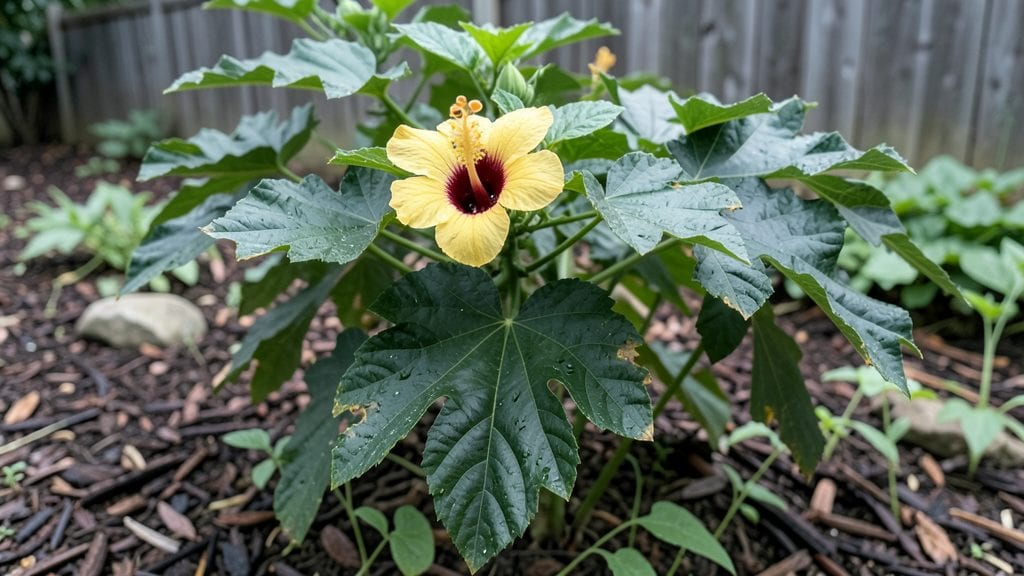
The puakenikeni flower tree 🌺 delivers stunning tropical beauty with minimal effort—perfect for transforming any warm-climate yard into a lush, year-round showstopper.
Picture this: a fast-growing tree bursting with vibrant blooms, thriving in your garden with almost no fuss. Unlike high-maintenance tropical plants, puakenikeni adapts to partial shade, drought-like conditions, and even urban soil—making it the ideal choice for both beginners and seasoned gardeners.
Native to Hawaii and thriving in USDA zones 10-12, this tree isn’t just ornamental—it’s a game-changer for curb appeal, privacy screens, and even small-space gardens. Whether you’re planting in spring or year-round, its low-maintenance nature means more time enjoying your garden and less time stressing over care.
In this guide, you’ll discover the fastest-growing varieties, expert planting tips, and seasonal care secrets to keep your puakenikeni flowering like a pro—no green thumb required.
Fastest-growing puakenikeni varieties for tropical landscapes
If you're dreaming of a lush tropical garden with minimal wait time, the puakenikeni flower tree delivers stunning results in record time. These varieties are prized for their rapid growth rates and vibrant blooms, making them perfect for instant landscape transformation.
Whether you're filling in gaps or creating a bold focal point, these top 5 fast-growing puakenikeni varieties will exceed expectations.
Native to Hawaii and thriving in USDA Zones 10-12, these trees can grow 2-4 feet in their first year and reach mature heights of 15-30 feet within just 3-5 years. Their colorful, fragrant flowers add year-round interest, while their low-maintenance nature makes them ideal for busy gardeners.
Let's explore the fastest-growing varieties that will turn your outdoor space into a tropical oasis.
🌺
The 'Rainbow' Puakenikeni is my top pick for colorful diversity and adaptability. This variety grows 3-5 feet in its first year and matures to 20-25 feet tall, showcasing a stunning mix of pink, yellow, and red blooms.
It thrives in full sun to partial shade, making it versatile for different garden spots. Plant it near patios or walkways to enjoy its fragrant flowers up close.
For a bold statement, the 'Maui Sunset' variety is unmatched. Known for its vibrant orange, cream, and deep red flowers, it grows 4-6 feet in its first year and reaches 25-30 feet at maturity.
This variety loves full sun and sandy loam soil, making it perfect for coastal gardens or sandy soil landscapes. Its fast growth rate ensures quick coverage and impact.
If you prefer a softer, elegant look, the 'Hawaiian Snow' variety is ideal. With white and blush pink flowers, it grows 2-4 feet in its first year and matures to 15-20 feet tall.
This variety prefers partial shade and rich, organic soil, making it a great choice for shaded garden areas or as an understory plant. Its delicate blooms add a romantic touch to any landscape.
The 'Red Sunset' variety is perfect for those who love a dramatic pop of color. Its deep red and yellow flowers grow 3-5 feet in the first year and reach 20-25 feet at maturity.
This variety thrives in full sun and well-draining, slightly alkaline soil, making it ideal for arid or rocky landscapes. Its bold hues create a striking focal point in any garden.
Lastly, the 'Golden Shower' variety brings a sunny, cheerful vibe to your garden. With golden yellow and cream flowers, it grows 4-6 feet in its first year and matures to 22-28 feet tall. This variety adapts
How to plant and care for puakenikeni trees in warm climates
The puakenikeni flower tree thrives in warm climates with minimal fuss, making it perfect for tropical gardens. To ensure your tree grows strong and blooms abundantly, start with well-draining soil and partial sunlight. These conditions mimic its native Hawaiian environment, where it flourishes effortlessly.
Whether you're planting from a seedling or transplanting a mature tree, proper preparation sets the stage for years of vibrant foliage and fragrant flowers.
Puakenikeni trees love humid, tropical conditions but can adapt to slightly drier environments if given extra care. The key to success lies in understanding its watering needs, pruning schedule, and seasonal adjustments.
With the right approach, your puakenikeni will reward you with lush growth and stunning blooms year-round.
⚠️ Avoid These Puakenikeni Planting Mistakes
Overwatering is the #1 killer of puakenikeni trees. These tropical beauties prefer well-draining soil and consistent moisture, not soggy roots. Water only when the top 2-3 inches of soil feel dry to the touch.
Another common error is planting in full sun without shade. While puakenikeni enjoys sunlight, afternoon shade protects its delicate leaves from scorching in intense tropical heat.
Begin by selecting a planting site with partial shade—think dappled sunlight or morning sun with afternoon shade. Amend your soil with organic compost to improve drainage and fertility.
Dig a hole twice as wide as the root ball but only as deep, ensuring the tree sits at the same level it was in its container. Gently remove the plant from its pot and loosen any root-bound roots before placing it in the hole.
After planting, water deeply to settle the soil and remove any air pockets around the roots. Mulch the base of the tree with 2-3 inches of organic mulch, like wood chips or shredded bark, to retain moisture and regulate soil temperature.
Keep the mulch 2-3 inches away from the trunk to prevent rot. This step is crucial for young trees still establishing their root systems in the new environment.
Watering your puakenikeni correctly is essential for its health. During the first year, water deeply every 3-5 days, ensuring the soil stays consistently moist but never waterlogged. Once established, reduce watering to every 5-7 days, adjusting based on rainfall and temperature.
In hot, dry months, you may need to water daily, especially if your tree is in a container.
Prune your puakenikeni lightly in late winter or early spring to shape the tree and encourage new growth. Remove any dead, diseased, or crossing branches first. For shaping, trim back overgrown branches by about one-third to maintain a balanced form.
Avoid heavy pruning, as puakenikeni responds best to light, strategic cuts rather than drastic trimming.
Feed your puakenikeni with a balanced fertilizer (6-6-6 NPK ratio) every 4-6 weeks during the growing season (spring through fall). Apply fertilizer in the early morning to prevent leaf burn, and always water thoroughly afterward.
In winter months, reduce or skip fertilizing entirely, as the tree enters a slower growth phase. This seasonal care ensures your puakenikeni stays healthy and vibrant throughout the year.