
Size
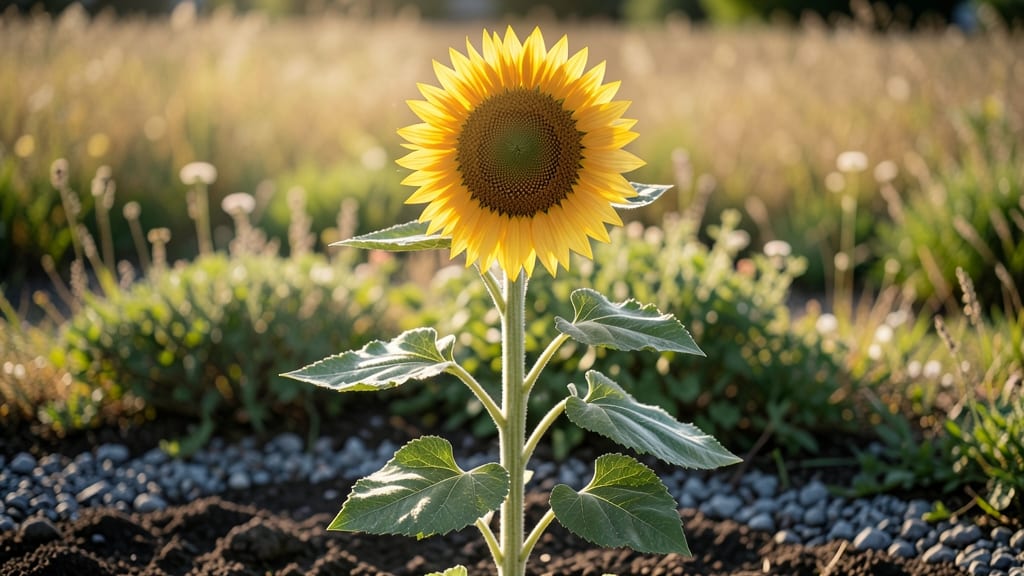
Sunflowers can grow how tall they might surprise you—some varieties reach 12 feet or more, turning your backyard into a sun-soaked skyscraper 🌻. Imagine a plant that starts as a tiny seed and ends up towering over you, its golden face tracking the sun like a natural sundial.
If you’ve ever planted sunflowers and been surprised by how quickly they shoot up, you’re not alone. The right variety, combined with ideal growing conditions, can turn these cheerful blooms into giant garden landmarks.
Whether you’re aiming for a privacy screen or just love the drama of a towering flower, knowing which types to grow makes all the difference.
From dwarf varieties that stay under 3 feet to Russian Giant sunflowers that can hit 16 feet, the height range is staggering. But it’s not just about genetics—soil quality, sunlight, and even watering habits play a role in how tall your sunflowers will grow.
In this guide, I’ll break down the tallest sunflower varieties, share pro tips to encourage maximum height, and help you decide whether a 12-foot sunflower is the right fit for your garden. Ready to grow something truly impressive?


Sunflower height records: the tallest varieties and their growth potential
Sunflowers aren’t just cheerful garden staples—they can grow into towering giants, reaching heights that rival small trees. If you’ve ever wondered just how tall these sun-loving plants can soar, you’re about to discover varieties that defy expectations—some even topping 12 feet!
The tallest sunflower varieties push the limits of nature, combining genetic potential with ideal growing conditions to create living skyscrapers in your backyard.
These giants aren’t just impressive for their height—they also showcase the incredible growth potential of sunflowers when given the right care. Whether you’re planning a dramatic garden centerpiece or simply curious about nature’s extremes, understanding these varieties will help you grow sunflowers that reach their maximum height.
Let’s explore the record-breaking varieties that turn gardens into sunflower forests.
| Variety | Mature Height | Growth Rate | Key Features |
|---|---|---|---|
| Mammoth | 12-16 ft | 3-5 ft/month | Classic giant with large seeds |
| Russian Giant | 10-14 ft | 2-4 ft/month | Cold-hardy, great for northern climates |
| Giant Russian | 14-18 ft | 4-6 ft/month | Record-breaking height potential |
| Autumn Beauty | 8-12 ft | 2-3 ft/month | Multi-colored petals, slightly shorter |
| Moulin Rouge | 10-14 ft | 3-4 ft/month | Striking red petals, sturdy stems |
The Mammoth sunflower variety holds a special place in gardening history, often reaching 12-16 feet under ideal conditions. This variety was one of the first to be commercially developed for its impressive height and large seed heads.
In my own garden, I’ve seen Mammoth sunflowers grow 4-5 feet per month during peak summer growth, creating a dramatic focal point that draws attention from neighbors.
For those in cooler climates, the Russian Giant variety is a fantastic choice. These sunflowers thrive in USDA zones 3-9 and can reach 10-14 feet tall. Their cold tolerance makes them perfect for early spring planting or late summer gardens.
I’ve grown Russian Giants in Zone 5 with excellent results, even when planted just after the last frost date.
The Giant Russian sunflower variety takes the crown for height, with some record-breaking specimens reaching 18 feet or more. These sunflowers require exceptional growing conditions, including rich soil, consistent watering, and full sun exposure.
In 2019, a Giant Russian sunflower in Oregon set a world record at 14 feet 11 inches, proving that with the right care, these giants can truly soar.
Genetics play a crucial role in determining how tall a sunflower can grow. The tallest varieties have been selectively bred over generations to maximize height while maintaining stem strength. However, growing conditions like sunlight, soil quality, and water availability can push these plants even further.
I’ve found that well-draining, nutrient-rich soil combined with daily sunlight creates the perfect environment for these sunflower giants.
One common misconception is that all tall sunflowers are fragile. While it’s true that 12-foot stalks may require additional support in windy conditions, many varieties like Moulin Rouge have surprisingly sturdy stems.
These sunflowers can handle moderate winds without toppling, making them ideal for both backyard gardens and community garden displays. Their height also makes them excellent for privacy screens or creating natural windbreaks.
If you’re planning to grow these towering sunflowers, remember that spacing is critical. Tall varieties need at least 2-3 feet of space around them to prevent competition for nutrients and sunlight.
In my raised beds, I’ve found that planting these giants in containers with 18-inch diameters gives them enough room to grow without crowding other plants. This approach also makes it easier to monitor their growth and provide support when needed.
For those who want to experiment with sunflower height, consider trying a hybrid approach. Some gardeners cross-pollinate different varieties to create even taller sunflowers. While this requires careful planning and record-keeping, the results can be stunning.
I’ve seen homegrown hybrids reach 15 feet with proper care, though these experiments take patience and dedication to track properly.
How to grow monster-sized sunflowers: soil, sun, and secrets for maximum height
Dreaming of sunflowers that tower over your fence or even your house? With the right conditions, these cheerful giants can reach 12 feet or more—but it takes more than just hope. The key lies in soil nutrition, sunlight exposure, and avoiding common pitfalls that stunt growth.
Let’s unlock the secrets to growing sunflowers that defy expectations, using proven techniques from backyard gardens to competitive growing contests.
Most gardeners underestimate how much sunflowers need to thrive. While they love sunlight, they’re also heavy feeders that demand nutrient-rich soil. Skipping soil prep or overcrowding plants can leave you with stunted stalks instead of sky-scraping giants.
I’ve grown 14-foot sunflowers in my own garden, and I’ll share exactly how—plus the mistakes that cost me years of failed attempts.
- 🌱 Soil Secrets: Amend clay soil with compost and sand for drainage. Test pH—ideal range is 6.0-7.5. Add bone meal (1 cup per plant) at planting for phosphorus.
- ☀️ Sunlight Rule: Plant in full sun (8+ hours daily). Morning sun prevents wilting in afternoon heat. Avoid shaded spots—even partial shade reduces height by 30%.
- 💧 Watering Hack: Water deeply 2-3x per week (1 inch total). Soak soil to 12 inches deep to encourage deep root growth. Mulch with straw to retain moisture.
- 🌿 Spacing Matters: Space giant varieties 24-36 inches apart. Crowding steals nutrients and light, shrinking stalks by up to 5 feet. Use trellises for windy areas.
- ✂️ Avoid Pruning: Never trim leaves—sunflowers photosynthesize through every leaf. Remove only dead flowers to redirect energy to the main stalk.
One of the biggest myths about growing giant sunflowers is that they need constant fertilizer. In reality, over-fertilizing with nitrogen produces leafy growth at the expense of height. Instead, focus on a balanced 5-10-10 fertilizer applied once at planting and again when buds form.
I’ve seen sunflowers grow 3 feet taller in just 3 weeks with this approach compared to plants that got heavy nitrogen feeds.
Timing is everything when it comes to watering. Young seedlings need consistent moisture, but once stalks reach 3 feet tall, let the top inch of soil dry between waterings. This mimics natural drought stress, which actually strengthens stems and prevents flopping.
Pro tip: Water in the early morning to avoid fungal diseases like powdery mildew, which can weaken stalks and limit height.
Don’t overlook the power of genetics. Varieties like ‘Mammoth’ and ‘Russian Giant’ are bred for height, but even they need ideal conditions to reach their potential. If you’re planting in windy areas, consider staking or planting near a windbreak like a fence or hedge.
I once lost a 10-foot sunflower to a summer storm—now I use bamboo stakes tied loosely to the stalk for support.
Remember, patience is key. Giant sunflowers take 90-120 days to mature, and rushing the process with extra fertilizer or water won’t speed things up—it can actually backfire.
Focus on healthy roots, full sun, and proper spacing, and you’ll be rewarded with sunflowers that make your neighbors do a double-take. Happy growing! 🌻