
Planting
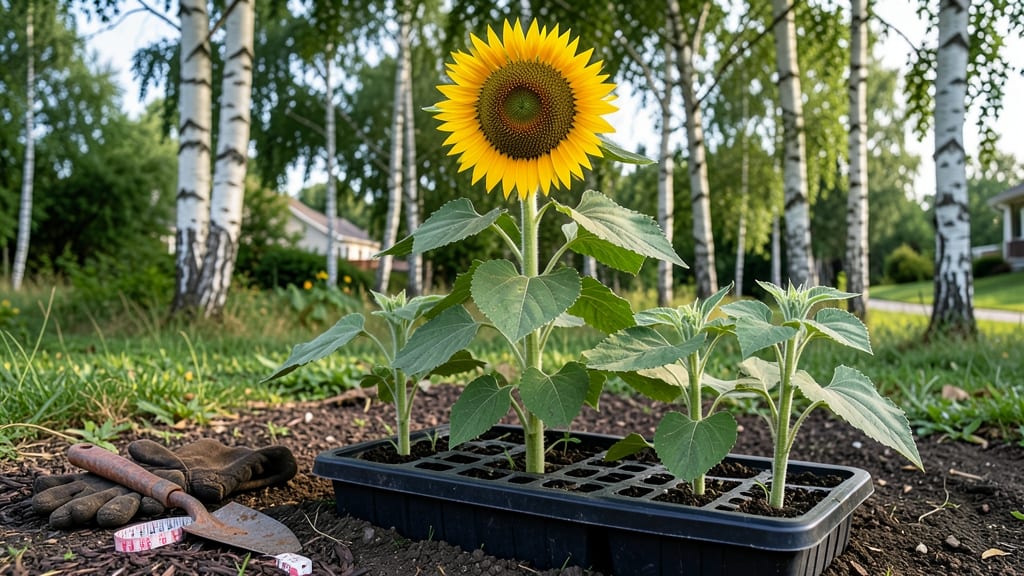
Spacing a mammoth sunflower plant correctly ensures those towering stems reach their full 10–14-foot glory without stealing nutrients from each other.
Picture this: You’ve waited all spring for your giant sunflowers to bloom, only to find them leaning like drunken giants, their heads drooping from competition for sunlight. That’s the cost of cramming them too close together—something even the hardiest varieties can’t outgrow.
Most gardeners assume 12–18 inches apart is enough, but soil type, wind exposure, and even your local climate can change the ideal yardage. Too tight, and you’ll battle fungal diseases; too wide, and you waste precious garden real estate.
The right spacing balances airflow, sunlight, and root strength—so your sunflowers stand proud, not just survive.
Below, I’ll walk you through the exact spacing rules for each growth stage, plus clever tricks to fit mammoth sunflowers into small yards without sacrificing their majestic height. Ready to plant with confidence?
Optimal mammoth sunflower spacing by growth stage: from seedlings to full bloom
When planting mammoth sunflowers, spacing isn't one-size-fits-all. These giants need room to grow, but their spacing needs change dramatically as they mature. Seedlings require close quarters initially, while vegetative plants need space to develop strong stems, and flowering plants demand maximum sunlight exposure.
Understanding these stages helps you avoid overcrowding, which leads to weak stems, poor blooms, and even toppling in wind.
Mammoth sunflowers can reach 10-14 feet tall, making them one of the tallest annual flowers. Their massive size means they compete aggressively for nutrients, water, and sunlight. Poor spacing can result in stunted growth, fungal diseases, and stems that snap under their own weight.
By adjusting your spacing based on their growth phase, you'll ensure each plant has the resources it needs to reach its full potential.
Here’s a science-backed breakdown of spacing requirements for each growth stage, including soil depth and wind resistance considerations to keep your mammoth sunflowers standing tall and proud.
| Growth Stage | Spacing (inches) | Soil Depth | Wind Resistance Tips |
|---|---|---|---|
| Seedlings (0-3 weeks) | 4-6 inches apart | 1 inch deep | Thin to strongest plants; avoid wind exposure |
| Vegetative (3-6 weeks) | 12-18 inches apart | 2-3 inches deep roots | Stake tallest stems; space rows 2-3 feet apart |
| Flowering (6-12 weeks) | 24-36 inches apart | Deep roots (12+ inches) | Use windbreaks; avoid border plantings |
| Mature (12+ weeks) | 36-48 inches apart | Full root depth | Stake all stems; prune lower leaves |
During the seedling stage, mammoth sunflowers can be planted closely—4-6 inches apart—since they’re small and won’t compete for resources yet.
This is also when you’ll thin weaker seedlings to give the strongest ones room to grow. Plant seeds 1 inch deep in well-draining soil to prevent rot, and ensure they receive full sun from the start to encourage rapid growth.
As they enter the vegetative stage (3-6 weeks), your spacing should increase to 12-18 inches apart.
This is when their stems begin to elongate, and they’ll need room to develop a strong root system. Space rows 2-3 feet apart to improve airflow and reduce the risk of fungal diseases like powdery mildew.
If you’re in a windy area, consider staking the tallest stems early to prevent them from snapping.
The flowering stage (6-12 weeks) is when mammoth sunflowers demand the most space—24-36 inches apart.
At this point, their massive flower heads require maximum sunlight exposure, and their deep roots need ample soil depth to anchor them. Wind resistance becomes critical; avoid planting them along property borders or in open fields.
Instead, place them in sheltered areas or use windbreaks like tall grasses or fencing.
By the time they reach maturity (12+ weeks), your mammoth sunflowers should be spaced 36-48 inches apart.
This final spacing ensures their towering stems have enough room to sway without touching each other, which reduces disease spread and improves air circulation. Stake all stems at this stage, especially if you’re in a region with frequent storms.
Prune lower leaves to keep the stems clean and reduce the risk of pests.
Another key factor in spacing is soil depth. Mammoth sunflowers develop deep roots—sometimes 12+ inches deep—to support their massive height.
Amend your soil with compost before planting to improve drainage and nutrient availability. Avoid compacted or rocky soil, as it can stunt root growth and weaken the stems. If your soil is heavy clay, consider planting in raised beds or mounds to improve drainage.
For wind resistance, think beyond just spacing. Plant mammoth sunflowers in clusters rather than single rows to create natural windbreaks. If you’re in a particularly windy area, consider using trellises or stakes to support their height.
You can also interplant them with shorter, wind-resistant flowers like cosmos or marigolds to provide additional support and reduce exposure.
Proper spacing isn’t just about giving your mammoth sunflowers room to grow—it’s about maximizing their potential. When done right, you’ll end up with taller stems, larger blooms, and healthier plants that stand proud in your garden. Follow these guidelines, and you’ll be rewarded with sunflowers that reach new heights—literally!
Common spacing mistakes that stunt mammoth sunflower growth (and how to Fix them)
Even experienced gardeners accidentally crowd mammoth sunflowers, thinking more plants mean bigger blooms. But when stems compete for sunlight and nutrients, they grow leggy and weak. I’ve seen 12-foot stems collapse under their own weight because they were planted too closely—don’t let that happen to your garden!
The key is understanding how spacing affects airflow, root development, and disease resistance.
One of the biggest mistakes is assuming standard sunflower spacing works for mammoth varieties. While regular sunflowers can handle 12 inches apart, mammoths need 18–24 inches minimum to reach their full potential.
Skimping on space leads to nutrient depletion in the soil and increased risk of powdery mildew, a fungal disease that thrives in crowded, humid conditions.
⚠️ Warning: Overcrowding Pitfalls
✗ Planting mammoth sunflowers less than 18 inches apart leads to:
- Stunted growth (stems won’t reach 10+ feet)
- Fungal risks (powdery mildew, rust)
- Weak stems (prone to snapping in wind)
- Nutrient competition (smaller blooms)
Fix: Space plants 24 inches apart in loamy soil or 30 inches apart in sandy soil for better drainage.
Another common error is ignoring soil type when spacing. Clay soil holds moisture longer, slowing root growth and increasing fungal risks. In these conditions, I recommend 30-inch spacing to allow roots to spread and dry out between plants.
Meanwhile, sandy soil drains too quickly, so 18-inch spacing with mulch helps retain moisture and nutrients for deeper root development.
If you’re growing mammoth sunflowers in containers or small spaces, the temptation to squeeze them in is real. But even in pots, give each plant at least 12 inches of diameter—any less, and you’ll struggle with root binding.
I’ve tried growing them in 5-gallon pots with 24-inch spacing between pots, and the results were surprisingly strong stems and larger blooms than my overcrowded in-ground plants!
Don’t forget about companion planting—some neighbors can help or hurt your mammoth sunflowers. Planting bush beans or marigolds nearby improves soil nitrogen and deters pests, but avoid corn, which competes aggressively for nutrients.
When planning your layout, sketch a rough grid with 24-inch increments and mark taller plants first to ensure no shading occurs mid-season.
Finally, adjust spacing if you notice early signs of stress: yellowing leaves, slow growth, or stems leaning toward the sun. These are red flags that your plants need more room.
Thin seedlings to the strongest stem per spot, even if it means sacrificing a few plants—it’s better than ending up with a forest of weak, crowded stalks that never bloom properly.