
Blooming
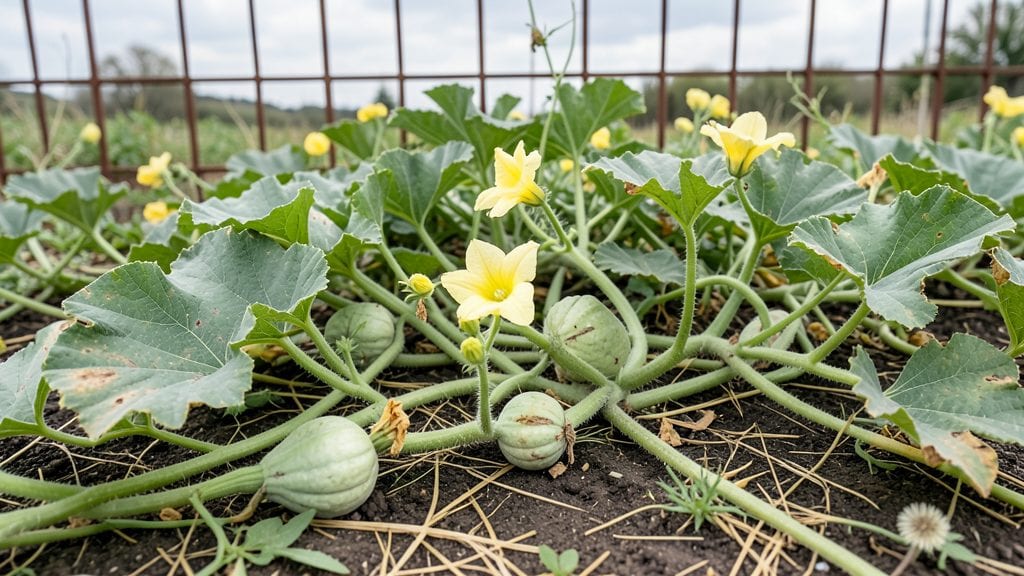
Pumpkin flower gender determines fruit production, with female blooms featuring tiny bulbous bases at their stems—this swelling signals potential fruit development—while male flowers lack this structure and focus on pollination. Identifying them early boosts harvest yields.
Understanding the gender of your pumpkin flowers isn’t just about curiosity—it’s about strategy. Female flowers develop into fruit, while males serve as pollinators, so recognizing their differences early helps you prioritize care.
For example, I’ve seen gardeners double their harvest by focusing on vines with more female blooms, especially in early summer when fruit set matters most. 🌱 The swollen base of a female flower isn’t just a visual clue; it’s your cue to protect it from pests and ensure proper pollination for bigger yields.
What’s fascinating is how environmental factors play a role—warmer temperatures and consistent sunlight can shift the balance toward female blooms, giving you more fruit potential.
Meanwhile, male flowers often appear first and in larger clusters, which is why some growers hand-pollinate female flowers to guarantee fruit development, especially in greenhouses or cooler climates. This small adjustment can make a huge difference in your pumpkin patch’s productivity.
💡 In This Article
- How Pumpkin Flower Anatomy Differentiates Male and Female Blooms
- Maximizing Pumpkin Yields by Managing Flower Gender
How pumpkin flower anatomy differentiates male and female blooms
The key difference between male and female pumpkin flowers lies in their reproductive structures. Female flowers develop from a swollen ovary base (the tiny bulb at the stem), which will eventually grow into fruit if pollinated.
This ovary typically measures about 0.1-0.3 inches in diameter when the flower first opens, creating a distinct rounded bump. Male flowers, by contrast, lack this swelling entirely—their stems attach directly to the flower without any bulbous formation.
Male flowers focus solely on producing pollen, so they feature prominent stamens (the pollen-producing parts) that extend beyond the petals, often by 0.5-1 inch. These stamens release pollen that must reach female flowers for fertilization.
Female flowers, while also having stamens, prioritize their pistil (the central structure containing the ovary), which is clearly visible as a raised, cone-shaped protrusion in the flower's center. This anatomical contrast is why female flowers often feel slightly heavier due to the developing ovary.
Environmental factors significantly influence flower gender expression. Warmer temperatures (75-85°F) and consistent sunlight (at least 6-8 hours daily) encourage more female blooms, while cooler conditions or fluctuating light may produce more males.
This is why gardeners in northern climates sometimes see male flowers dominate early in the season—pumpkin vines often prioritize male production until they're confident in stable growing conditions. 🌞 The plant's energy allocation shifts toward fruit production only when it senses reliable warmth and light.
Here's what's happening botanically: Female flowers require successful pollination to develop fruit, so their anatomy reflects this priority. The ovary's swelling contains ovules that will become seeds, while the pistil's sticky stigma captures pollen. Male flowers, lacking this reproductive burden, invest energy in pollen production instead.
This division of labor explains why male flowers appear first—they're essentially the plant's "scouts," ensuring pollination is possible before female flowers commit resources to fruit development.
One fascinating detail is how the flower's position on the vine correlates with gender. Female flowers often appear on the main vine (primary stem) or side shoots closer to the plant's center, while male flowers tend to form on laterals (secondary vines).
This spatial pattern helps gardeners identify which parts of the plant to monitor for fruit potential. Pruning techniques can leverage this knowledge—removing excess male-heavy vines redirects energy toward female blooms and fruit production.
Understanding these anatomical clues isn't just academic—it's practical. When you see that 0.2-inch swelling at a flower's base, you're looking at a potential 2-5 pound pumpkin if properly pollinated. The male flowers, while less immediately valuable, play a crucial role in ensuring that potential becomes reality.
This gender-specific anatomy explains why some pumpkin varieties produce more fruit than others—their genetic tendency toward female flower dominance makes them ideal for harvest-focused growing.