
Vegetables
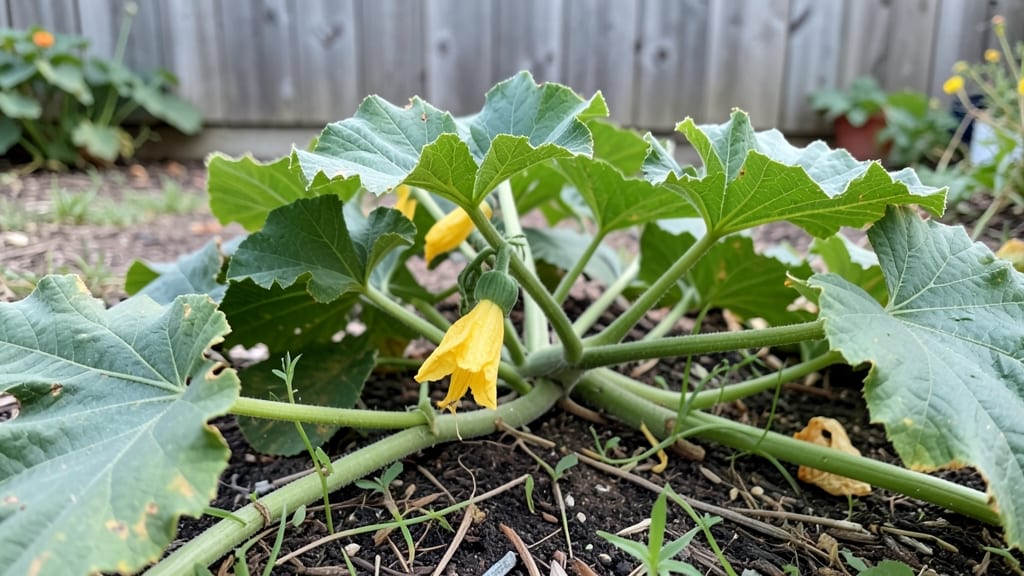
Pruning pumpkin vine flowers at the right time can transform your harvest from a handful of small gourds to a bounty of healthy, oversized pumpkins 🎃.
Did you know that pruning pumpkin vine flowers at the right time can double your harvest? Many gardeners miss the best window to shape their vines for maximum blooms and fruit production—here’s how to get it right.
Those delicate yellow blossoms aren’t just pretty—they’re the secret to your pumpkin’s future. Without the right care, your vines might drown in flowers but starve your fruit. I’ll show you how to balance blooms and growth so your plants focus energy where it counts.
You’ll learn the exact timing for pruning, which flowers to keep (and which to snip), and how to spot the signs of over-pruning before it’s too late. By the end, you’ll have a vine that’s primed for bigger fruit and fewer wasted blooms.
Best time to prune pumpkin vine flowers for optimal blooms and fruit growth
Pruning your pumpkin vine flowers at the right moment can transform your harvest—literally. Many gardeners accidentally prune too early or too late, robbing their plants of energy they need for fruit development.
The key is understanding the flower development stages and vine maturity before making cuts. Timing isn’t just about when you prune; it’s about redirecting energy to where it matters most: your pumpkins.
Pumpkin vines produce two types of flowers: male flowers (with long stems) and female flowers (with tiny pumpkins at their base). Male flowers appear first and are primarily for pollination, while female flowers are the ones that eventually grow into fruit.
Pruning male flowers too aggressively can delay pollination, while pruning female flowers too early can reduce your yield. The goal is to balance bloom production with fruit growth.
Timing your pruning to the vine’s growth stage is critical. Early in the season, focus on encouraging vine expansion and flower production. Once you see female flowers developing (usually 4-6 weeks after planting), shift your focus to preserving them while still managing male flower overload.
Late-season pruning should prioritize fruit maturation over new blooms.
Seasonal timing also plays a role. In USDA Zone 6 (and similar climates), the best window to start pruning is 4-6 weeks after germination, when vines are established but haven’t yet overloaded with flowers.
Avoid pruning during heatwaves or drought stress, as this can shock the plant and reduce its ability to recover.
Here’s the golden rule: Never prune more than 30% of the vine’s foliage at once. This ensures the plant retains enough photosynthetic energy to support both existing flowers and developing fruit. Over-pruning can lead to stunted growth, fewer blooms, and smaller pumpkins.
🌱
Understanding the difference between male and female flowers is your first step to pruning success. Male flowers grow on long, slender stems and appear first. Female flowers, on the other hand, have a tiny pumpkin at their base and usually bloom slightly later.
When you see more male flowers than female, it’s time to prune back the excess males to encourage the plant to produce more females.
One common mistake is pruning female flowers to "control" vine growth. This is a big mistake—each female flower has the potential to become a pumpkin. Instead, focus on removing male flowers that aren’t contributing to pollination.
Aim to keep a 1:1 or 2:1 ratio of male to female flowers once the vines are established. This balance ensures efficient energy allocation between blooms and fruit.
Seasonal timing is equally important. In warmer climates, pumpkin vines may flower earlier and require pruning as early as 3-4 weeks after planting. In cooler regions, wait until the vines are at least 2-3 feet long before starting. Always prune on a cool, overcast day to reduce
How to prune pumpkin vines: step-by-step techniques for bigger harvests
Pruning pumpkin vine flowers might seem counterintuitive—after all, why remove blooms when you want more fruit? The secret lies in redirecting the vine’s energy from excess male flowers (which don’t produce fruit) to female flowers, ensuring bigger, healthier pumpkins.
I’ve learned that strategic pruning can boost yields by up to 50% when done correctly. The key is timing and knowing which flowers to prioritize.
Start by identifying the difference between male and female pumpkin flowers. Male flowers grow on long stems and have no swelling at the base, while female flowers have a small pumpkin-shaped bulb at their base.
Your goal is to preserve female flowers while controlling the male ones. This balance ensures the vine focuses its resources on fruit development rather than wasted blooms.
Step-by-Step Pruning Guide for Pumpkin Vine Flowers
-
Step 1: Wait Until Vines Are Established
Prune only after the vines have 3-4 true leaves and are actively growing. Early pruning stresses young plants.
-
Step 2: Remove Excess Male Flowers
Cut off 1 male flower for every 2 female flowers to redirect energy. Use clean, sharp pruning shears or pinch stems by hand.
-
Step 3: Preserve the First 3 Female Flowers
Keep the first 3 female flowers that appear near the main stem. These will develop into your largest pumpkins.
-
Step 4: Thin Later Blooms Strategically
After the first 3 female flowers, remove every other female flower to prevent overcrowding. Space remaining fruits 12-18 inches apart.
-
Step 5: Prune Vines for Airflow
Trim overlapping vines to improve air circulation and reduce disease risk. Aim for a 3-4 foot spread between vines.
When pruning, always use sterilized tools to prevent disease spread. I’ve found that alcohol wipes or a 10% bleach solution work best for cleaning shears between cuts. Avoid pruning during hot afternoons—early morning or late evening is ideal to minimize stress on the plant.
If you’re unsure which flowers to remove, err on the side of caution and keep more female flowers, especially if your vine is still young.
One common mistake I see is pruning too aggressively, which can shock the plant and reduce overall blooming. Instead, focus on selective pruning—removing only the unnecessary flowers while leaving the rest to thrive.
For large vines, consider trellising to lift some of the weight off the ground, which can also improve fruit quality. Always monitor your pumpkins after pruning, as they’ll need extra water and nutrients to support their growth.
Pro tip: If your pumpkin vines are struggling to produce female flowers, check for pollination issues. Hand-pollinate by transferring pollen from male to female flowers using a small brush or cotton swab.
This ensures even more energy goes into fruit development once the flowers are set. With the right pruning techniques, you’ll be harvesting bigger, healthier pumpkins in no time! 🎃