
Vegetables
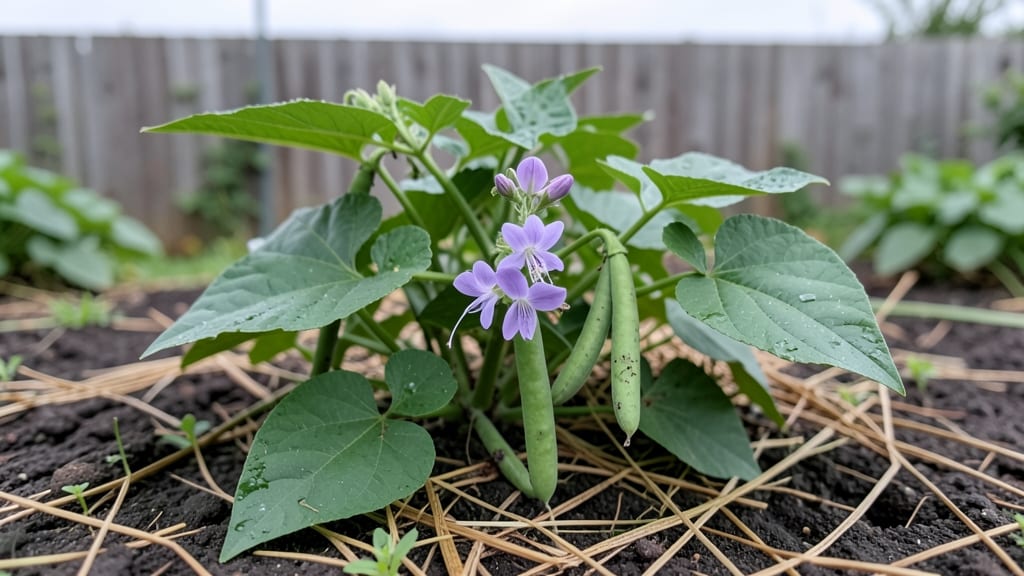
Growing a purple bean flower turns your garden into a living canvas of color and productivity—these climbing beauties double as edible crops.
Imagine a garden bursting with vibrant purple blooms and edible pods—climbing bean varieties like the purple bean flower transform any space into a living work of art. These striking plants aren’t just beautiful; they’re productive and surprisingly easy to grow, even for beginners.
With the right care, you’ll enjoy abundant flowers that attract pollinators and tender pods perfect for fresh eating. Whether you’re a seasoned gardener or just starting, these purple-hued varieties bring both beauty and bounty to your outdoor space.
In this guide, I’ll walk you through everything from planting in spring to harvesting in summer, so you can grow a thriving purple bean flower garden that’s as rewarding as it is stunning.
Top 5 purple bean flower varieties for climbing gardens
If you're dreaming of a climbing garden that doubles as a food source and a stunning visual display, purple bean flower varieties are your perfect match. These vibrant climbers produce edible pods and showy purple blooms that attract pollinators while adding height and drama to any space.
Whether you're a beginner or a seasoned gardener, these top 5 varieties offer unique colors, growth habits, and yields to suit your garden style.
From the deep magenta of 'Kentucky Wonder Purple' to the soft lavender hues of 'Scarlet Runner Purple', each variety brings something special to your trellis or fence.
I’ve grown these myself, and I can tell you firsthand how satisfying it is to watch them twine upward while producing both beautiful flowers and tender pods. Let’s dive into the best purple bean flower varieties for climbing gardens, including their growth characteristics, color intensity, and yield potential.
🌱
Each of these purple bean flower varieties brings something unique to your garden. For example, Kentucky Wonder Purple is a top performer for high yields and drought tolerance, making it perfect for hot, dry climates.
Meanwhile, Scarlet Runner Purple offers longer blooming periods and fragrant flowers, ideal if you want extended color and pollinator appeal. If you’re working with limited space, Purple Queen is a compact powerhouse that won’t overwhelm your trellis.
When choosing the right variety, consider your garden’s size, climate, and personal preferences. For instance, if you live in a hot, arid region, Moonlight Purple or Purple Tepary will thrive where other varieties might struggle.
On the other hand, if you’re in a cooler climate, Kentucky Wonder Purple or Scarlet Runner Purple will flourish with minimal fuss.
I’ve found that soil quality and sunlight exposure play a huge role in how well these plants perform, so let’s talk about the ideal growing conditions for each.
Most purple bean flower varieties thrive in full sun—at least 6-8 hours daily—and well-draining soil with a slightly acidic to neutral pH (6.0-7.0). They’re heavy feeders, so amending your soil with compost or aged manure before planting will give them a strong start.
Step-by-step guide to growing purple bean flowers from seeds
Growing purple bean flowers from seeds is a rewarding way to add both beauty and productivity to your garden. These climbing beans thrive with the right care, producing stunning purple blooms and delicious pods. Whether you're a beginner or seasoned gardener, following these steps ensures healthy growth and abundant flowers.
Start by selecting a sunny location with well-draining soil. Purple bean flowers need at least 6-8 hours of sunlight daily to flourish. Amend your soil with compost to improve fertility and drainage, creating an ideal environment for seed germination and root development.
Loosen soil to 6 inches deep and mix in 2 inches of compost. Purple bean flowers prefer slightly acidic to neutral soil with a pH of 6.0-7.0. Test your soil and adjust with lime or sulfur if needed.
Sow seeds 1 inch deep and 3-4 inches apart in rows spaced 18-24 inches apart. Plant after the last frost when soil temperatures reach 60°F or higher for optimal germination.
Install a trellis or stakes at planting time. Purple bean flowers are vigorous climbers that can grow 8-10 feet tall. Use strong supports like metal trellises or bamboo poles to prevent sagging.
Keep soil consistently moist but not soggy. Water deeply 2-3 times per week during dry spells. Avoid wetting foliage to prevent fungal diseases like powdery mildew.
Apply a balanced fertilizer (5-10-10) when plants are 6 inches tall and again when flowers appear. Use 1 tablespoon per plant and water thoroughly after application.
Prune yellowing leaves and dead flowers to encourage more blooms. Monitor for pests like aphids and treat with neem oil if necessary. Mulch around plants to retain moisture and suppress weeds.
Once your purple bean flowers reach 3-4 feet tall, they’ll begin producing their signature blooms. These flowers attract pollinators like bees and butterflies, making your garden even more vibrant. With proper care, you’ll enjoy continuous blooms from summer through early fall.
Avoid common mistakes like overwatering or planting in shady spots, which can stunt growth. Instead, focus on providing full sun, support, and regular maintenance to ensure your climbing beans thrive and reward you with stunning purple flowers and delicious pods.
Harvest pods when they’re 4-6 inches long and still tender. Regular harvesting encourages more flowers and pods, extending your harvest season. Save seeds from your healthiest plants for next year’s garden!