
Trees
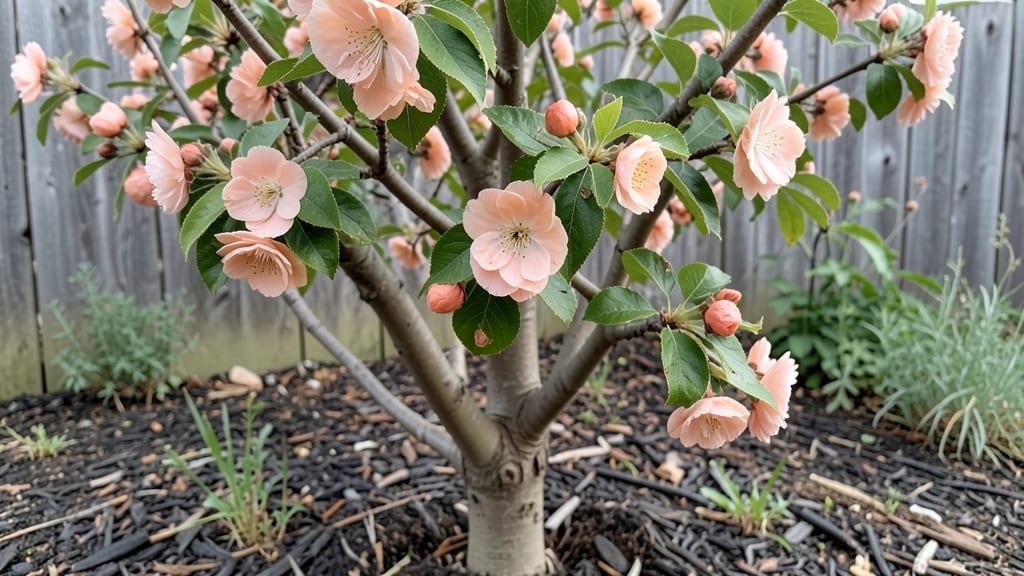
The red flowering peach 🍑 is a showstopper in any garden, bursting with vibrant blooms that set the stage for sweet summer fruit—but it won’t thrive without the right care.
Imagine a tree that bursts into fiery red blossoms in spring, then rewards you with juicy peaches in summer—this is the magic of the red flowering peach, a stunning hybrid that combines beauty and bounty. But growing one successfully requires more than just planting a seed.
In Zone 6a, timing is everything: plant yours in April–May after the last frost, and give it full sun to fuel those dramatic flowers. The key? Balancing pruning, soil prep, and watering to keep it healthy year-round.
Below, I’ll walk you through selecting the right variety, mastering pruning techniques, and avoiding the 5 biggest mistakes that kill these trees—so you can enjoy both the blooms and the harvest.
How to select and plant red flowering peach trees for maximum blooms
Selecting the right red flowering peach tree starts with choosing a cold-hardy variety like 'Redhaven' or 'Bonanza', both prized for their vibrant pink-red blossoms and reliable fruit production. These varieties thrive in USDA Zones 5-9, making them adaptable to diverse climates.
For maximum blooms, prioritize dwarf or semi-dwarf rootstocks, which produce flowers earlier and are easier to manage in smaller spaces.
Before planting, assess your garden’s sunlight exposure—red flowering peaches demand 6-8+ hours of full sun daily. Avoid planting in low-lying areas where cold air settles, as these trees are frost-sensitive during bloom.
If your soil drains poorly, amend it with compost or sand to prevent root rot, a common issue for peach trees.
⚠️ PRO TIP: Test your soil’s pH level (ideal: 6.0-6.5). If it’s too alkaline, mix in sulfur or peat moss to lower the pH before planting.
When planting, dig a hole twice as wide as the root ball but only as deep. Gently loosen the roots if they’re circling and place the tree so the graft union (visible bump near the base) sits 2-3 inches above soil level.
This prevents water from pooling around the graft, which can rot it over time.
Space your red flowering peach trees 15-20 feet apart to ensure proper airflow and sunlight penetration. If growing in containers, use a large pot (20+ gallons) with drainage holes and refresh the potting mix annually with compost and slow-release fertilizer.
Mulch around the base with wood chips to retain moisture and suppress weeds.
After planting, water deeply to settle the soil and encourage root growth. For the first 2-3 weeks, keep the soil consistently moist but avoid waterlogging.
In USDA Zones 5-6, protect young trees from late frosts by covering them with frost cloth during bloom time, as frost can damage delicate flowers.
To boost flower production, prune in late winter or early spring to remove dead or crossing branches. Thin out crowded areas to improve airflow, which reduces the risk of peach leaf curl, a fungal disease that can defoliate trees and reduce blooms.
Always sterilize pruning tools with rubbing alcohol between cuts to prevent spreading disease.
Fertilize lightly in early spring with a balanced 10-10-10 fertilizer to support new growth. Avoid high-nitrogen fertilizers, which promote leafy growth at the expense of flower and fruit production. Instead, focus on phosphorus and potassium to strengthen roots and encourage blooming.
Monitor for common pests like aphids or peach tree borers, which can stress the tree and reduce flower quality. Introduce beneficial insects like ladybugs or use neem oil sprays to keep pests in check naturally.
With proper care, your red flowering peach will reward you with stunning blooms and sweet fruit for decades.
Pruning and care tips to keep your red flowering peach tree healthy and productive
The red flowering peach tree thrives when you follow a seasonal care routine that balances pruning, watering, and pest control. Unlike fruit-focused peach trees, this ornamental variety prioritizes vibrant blooms over heavy fruit production, so your approach should reflect that goal.
Start by understanding the difference between dormant-season pruning (winter) and summer pruning—each serves a unique purpose in maintaining both health and beauty.
Your pruning schedule should begin in late winter or early spring, just before buds swell. This is when you remove dead or diseased branches and thin out crowded growth to improve airflow. For summer pruning, focus on shaping the tree after flowering to encourage a fuller canopy.
Remember, over-pruning can reduce next year’s red blossoms, so aim to remove no more than 25% of the tree’s foliage in any single season.
🌱 STYLED LIST: Essential Care Steps for Red Flowering Peach Trees
- 🌿 Dormant Pruning (Late Winter): Remove dead wood and crossing branches to prevent disease. Thin out 10-20% of branches to maintain an open center.
- ☀️ Summer Pruning (After Blooms): Lightly trim to shape and remove suckers (shoots growing from the base). Avoid heavy cuts to preserve flowering wood.
- 💧 Watering Schedule: Deep watering every 7-10 days in summer; reduce to bi-weekly in fall. Mulch with 2-3 inches of organic mulch to retain moisture.
- 🌱 Fertilization Plan: Apply balanced 10-10-10 fertilizer in early spring and mid-summer. Avoid fall fertilization to prevent late-season growth.
- ✂️ Pest & Disease Prevention: Spray copper fungicide in late fall to prevent peach leaf curl. Monitor for borers and treat with neem oil if detected.
Fertilization plays a critical role in maintaining your tree’s vibrant red flowers and overall vigor. Use a balanced 10-10-10 fertilizer in early spring to kickstart growth, then apply a light feed in mid-summer to support flowering.
Avoid fertilizing in fall or winter, as this can stimulate tender new growth that won’t survive winter frosts. Always water thoroughly after applying fertilizer to prevent root burn.
Watering your red flowering peach correctly is just as important as pruning. Young trees need consistent moisture, especially during their first two years. Water deeply once a week during summer, ensuring the soil is moist 6 inches deep.
For established trees, reduce frequency to every 10-14 days, but always check soil moisture before watering. Mulching with organic material like wood chips helps retain moisture and regulates soil temperature.
Pests and diseases can quickly threaten your tree’s health, particularly peach leaf curl and borers. To prevent peach leaf curl, apply a copper fungicide in late fall or early spring before buds swell. For borer control, inspect the tree trunk annually for sawdust-like frass or holes.
Treat infestations immediately with neem oil or beneficial nematodes. Regular monitoring and early intervention are key to keeping your tree thriving.
With these seasonal care tips, your red flowering peach will reward you with spectacular blooms every spring and a long, productive lifespan. Remember, the goal is to balance bloom production with tree health, so avoid aggressive pruning or over-fertilizing.
A well-cared-for tree can live for decades while continuing to dazzle with its fiery red flowers.