
Trees
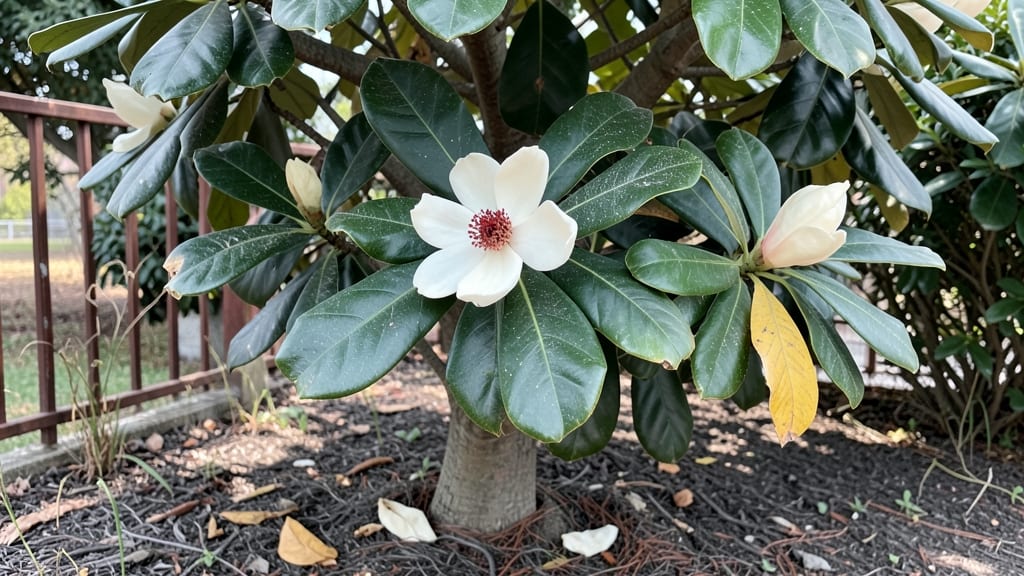
Growing a red magnolia flower 🌸 means adding a bold, fragrant centerpiece to your yard—but only if you prune it right.
That first flush of deep crimson blooms in spring is unforgettable, but without the right cuts, your tree might skip blooms or grow lopsided. I’ve seen 20-year-old magnolias reduced to a sad, bare skeleton because of one wrong snip.
The good news? A few simple techniques can keep your tree thriving for decades.
Here’s how to time your pruning for maximum blooms, avoid common mistakes that strangle growth, and keep your magnolia looking like the star of the neighborhood—year after year.
You’ll learn the exact seasonal schedule to follow, which tools to use (and which to avoid), and how to spot the early signs of over-pruning before it’s too late.
When and how to prune red magnolia trees for maximum blooms
The red magnolia flower thrives on precision pruning—cut at the wrong time or too aggressively, and you’ll sacrifice next year’s showstopping blooms. Unlike many trees, magnolias bloom on old wood, meaning flowers form on branches from the previous year.
Your goal? Shape the tree while preserving last year’s flower buds hidden in the leaf axils. Timing and technique are everything.
Most gardeners make one of two mistakes: pruning too early in spring (when buds are already set) or over-trimming in summer (stressing the tree before dormancy). The sweet spot? Late summer or early fall, after blooms fade but before winter dormancy begins.
This gives the tree time to heal and set next year’s buds without competition from new growth.
Step-by-Step Pruning for Red Magnolia Flower Buds
-
Step 1: Choose the Right Tools
- Use sharp bypass pruners for small branches (under 1 inch).
- Switch to a pruning saw for thicker branches (1–2 inches).
- Disinfect tools with rubbing alcohol to prevent disease spread.
-
Step 2: Identify Last Year’s Flower Buds
- Look for swollen buds in the leaf axils (where leaves meet branches).
- Avoid cutting branches with visible buds—these hold next year’s blooms.
- Focus on dead, diseased, or crossing branches instead.
-
Step 3: Make Clean Cuts at the Right Angle
- Cut just outside the branch collar (the swollen area at the base).
- Angle cuts 45 degrees downward to shed water away from the wound.
- Never leave stubs—they invite rot and pests.
-
Step 4: Thin Out the Canopy Strategically
- Remove 10–20% of the canopy max to avoid stress.
- Prioritize inward-facing branches to improve airflow.
- Open the center to let sunlight penetrate for even blooming.
-
Step 5: Clean Up and Mulch
- Rake up clippings to prevent fungal growth.
- Apply 2–3 inches of mulch around the base (keep it 6 inches from the trunk).
- Water deeply after pruning to reduce shock.
If you’re pruning in late summer (August–September), time it so the tree has 4–6 weeks to heal before winter. For spring pruning (only if necessary), wait until after blooms fade but before new growth flushes. Never prune in winter—dormant trees are more susceptible to cold damage and disease.
Pro tip: Use a small flag or tape to mark branches you’re unsure about before cutting. This prevents accidental removal of flower bud clusters. Magnolias are forgiving, but their bloom production depends on preserving last year’s growth. Think of pruning as sculpting, not hacking.
For young trees (under 5 years old), minimal pruning is key—just remove dead wood and shape lightly. Mature trees can handle more aggressive thinning, but always prioritize bud preservation.
If your magnolia’s blooms are sparse, it might be overdue for a light summer pruning to reduce stress and encourage new growth for next season.
One common misconception is that heavy pruning will boost blooms. The opposite is true: Over-trimming reduces flower production by removing next year’s buds. Aim for subtle shaping—your goal is to enhance the tree’s natural beauty, not transform it into a topiary.
Patience and precision pay off with vibrant red magnolia flowers year after year.
After pruning, monitor your tree for signs of stress, like yellowing leaves or wilting. If you see excessive sap oozing from cuts, it’s a sign of over-pruning.
In this case, scale back next time and focus on minor maintenance. With the right approach, your red magnolia will reward you with lush, abundant blooms for decades.
🌸
Common red magnolia pruning mistakes that kill blooms (and how to avoid them)
The red magnolia flower thrives on precision—especially when it comes to pruning. One wrong cut or timing error can turn your tree’s abundant blooms into sparse, uneven displays.
I’ve seen over-pruned magnolias struggle for years to recover their glory. The key is understanding what your tree needs versus what it tolerates.
Red magnolias bloom on old wood, meaning their flowers form on branches from the previous year’s growth. This makes them extra sensitive to aggressive pruning.
Even well-intentioned cuts can reduce next year’s blooms by removing potential flower buds. Let’s dive into the top mistakes and how to sidestep them.
⚠️ Warning: These Pruning Errors Can Ruin Your Red Magnolia’s Blooms
Pruning at the wrong time (e.g., late winter or mid-summer) forces your tree to sacrifice buds for survival. Improper cuts—like leaving stubs or tearing bark—invite disease and stress the tree. Even over-pruning (removing >25% of foliage) can stunt growth and delay blooming for years.
Actionable fix: Prune immediately after blooming (late spring) or in early summer to avoid bud damage. Always use sharp, clean tools and make cuts at a 45-degree angle just above a bud or branch collar.
Mistake #1: Pruning too late in the season. If you wait until fall or winter, your magnolia won’t have time to heal wounds before dormancy. This leaves it vulnerable to fungal infections and cold damage.
I’ve seen magnolias with blackened branches from winter pruning—heartbreaking for a tree that should be bursting with color in spring.
Mistake #2: Removing too many branches at once. Red magnolias are slow growers, and aggressive pruning can overwhelm their recovery. Stick to no more than 20-25% of the canopy per year. Think of it like haircuts: small, gradual changes keep the tree healthy and balanced.
Mistake #3: Cutting into old wood. If you prune heavy branches back to large, mature wood, you risk removing next year’s flower buds. Always prune younger branches to maintain the tree’s natural shape while preserving bloom potential.
Use a 3-step pruning approach: first thin out crossing branches, then shape, and finally remove dead wood.
Mistake #4: Using dull or dirty tools. Ragged cuts tear bark and expose the tree to pests and disease. Before you start, sterilize your pruners with rubbing alcohol and sharpen them with a file.
A clean cut heals faster and looks professional. Pro tip: Wipe blades with a cloth soaked in vinegar between cuts to prevent bacterial spread.
Mistake #5: Ignoring the tree’s natural form. Red magnolias have a graceful, layered structure. Pruning to create a symmetrical shape can disrupt their growth habit and reduce blooms.
Instead, focus on opening up the canopy to allow sunlight and air circulation. Remove only dead, diseased, or rubbing branches—never more than necessary.
To keep your red magnolia flower blooming like a pro, inspect your tree annually for signs of stress or poor pruning. Look for thinning foliage, fewer buds, or stunted growth—these are red flags.
With the right pruning approach, your magnolia will reward you with show-stopping blooms for decades.