
Plants
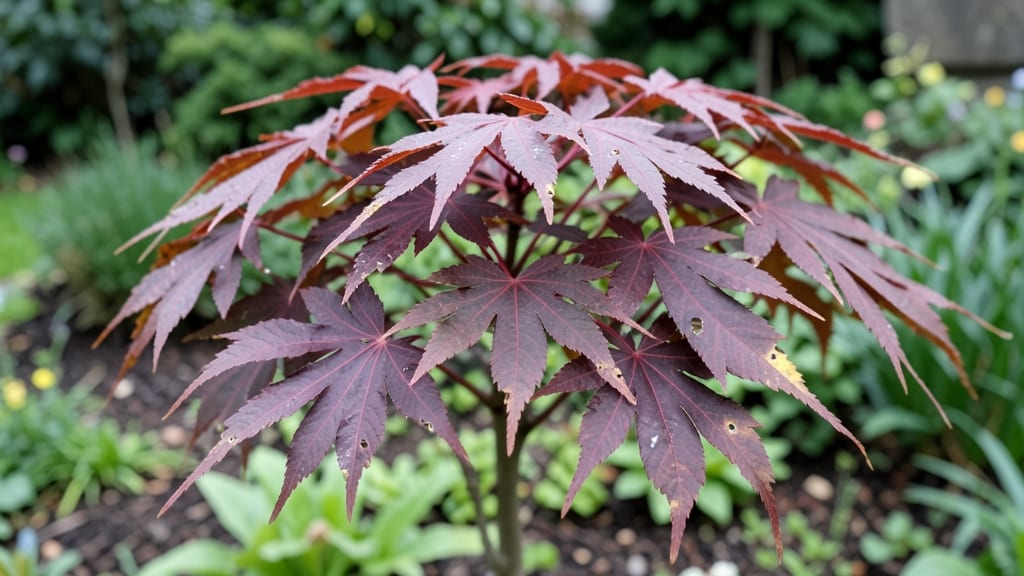
Growing a redvein flowering maple 🌿 unlocks a shade garden that pops with color all year—no full sun required.
Picture this: deep burgundy veins tracing glossy leaves, clusters of delicate blooms in spring, and fiery fall foliage that outshines most maples. Yet most gardeners overlook it because they assume shade plants mean dull greens. That’s a myth I’m here to bust.
This guide covers everything from planting in Zone 6a to keeping its signature veins vibrant through every season—plus the three companion plants that make it shine even brighter.
By the end, you’ll know exactly how to coax bold foliage, avoid common care blunders, and turn your shady corner into the envy of the neighborhood.
How redvein flowering maple stands out in shade gardens
The redvein flowering maple (Abutilon hybridum) steals the show in shade gardens with its striking burgundy veins that contrast beautifully against chartreuse-green leaves. Unlike traditional maples, this cultivar thrives in partial shade while delivering year-round visual interest, from delicate spring blooms to fiery autumn foliage.
Its compact growth habit—typically 10-15 feet tall—makes it ideal for smaller landscapes where larger trees would overwhelm.
What truly sets it apart is its adaptive foliage. While most maples rely on full sun for vibrant colors, the redvein variety maintains its signature vein pattern even in low-light conditions.
This makes it a standout performer in woodland gardens, understory plantings, or as a specimen tree near patios where dappled shade prevails.
🌿 comparison table 🌿
| Feature | Redvein Flowering Maple | Japanese Maple | Norway Maple |
|---|---|---|---|
| Foliage Color | Chartreuse with burgundy veins | Green to red/purple (varies by cultivar) | Dark green (lacks vibrant veins) |
| Sunlight Needs | Partial shade (4-6 hrs sun) | Full sun to partial shade | Full sun (struggles in shade) |
| Mature Height | 10-15 feet (compact) | 10-25 feet (varies by type) | 40-70 feet (large tree) |
| Autumn Foliage | Deep red-purple (enhanced veins) | Orange-red (best in full sun) | Yellow-brown (less vibrant) |
| Bloom Season | Spring to early summer | Late spring (insignificant) | None (ornamental foliage only) |
| Shade Tolerance | Excellent (thrives in shade) | Moderate (needs some sun) | Poor (requires full sun) |
| Garden Use | Specimen, understory, patio tree | Ornamental focal point | Shade provider (not ornamental) |
While Japanese maples dominate shade gardens with their delicate lace-like leaves, the redvein variety offers bold architectural interest thanks to its prominent burgundy veins. In low-light conditions, these veins become even more pronounced, creating a striking contrast against the lighter leaf background.
This effect is particularly noticeable in early morning sunlight or when backlit by dappled shade.
Another key advantage is its compact growth habit. Unlike Norway maples, which can grow into massive shade trees (40+ feet tall), the redvein flowering maple stays proportionate to its space, making it perfect for urban gardens or small yards.
Its moderate growth rate (1-2 feet per year) ensures it won’t outgrow its intended location quickly.
The seasonal color shifts of this maple are equally impressive. In spring, its chartreuse leaves emerge alongside pinkish-red blooms, creating a soft contrast. By autumn, the foliage transforms into deep burgundy-purple hues, with the veins becoming even more vibrant as temperatures drop.
This four-season interest sets it apart from many shade-loving plants that offer only summer or autumn color.
For gardeners seeking textural variety, the redvein flowering maple’s leathery leaves and upright branching create a structured silhouette that pairs beautifully with soft foliage plants like hostas or fern allies.
Unlike weeping maples, which require full sun for optimal growth, this variety performs exceptionally in shade, making it a low-maintenance star for high-traffic areas.
One of its most practical advantages is its drought tolerance once established. While young trees benefit from consistent moisture, mature redvein flowering maples can handle occasional dry spells
Year-round care guide for maximum color impact
Your redvein flowering maple thrives on year-round attention to unlock its full color potential. Unlike sun-loving maples, this shade-darling needs strategic care to maintain its signature burgundy veins and vibrant fall foliage.
The key lies in understanding its seasonal needs—from spring blooms to winter dormancy—while addressing shade-specific challenges like moisture retention and nutrient uptake.
Shade gardens present unique hurdles, like compacted soil and slow decomposition, which can dull your maple's colors. By adjusting your approach for each season, you’ll ensure its foliage stays lush, its flowers remain prolific, and its autumn display rivals any sunbathing maple.
Let’s break down the seasonal care calendar that keeps your tree stunning year-round.
- 1 Spring (March-May): Prune dead branches and shape lightly to encourage airflow. Apply a balanced fertilizer (10-10-10) after last frost to fuel new growth and spring blooms.
- 2 Summer (June-August): Monitor for spider mites (common in shade) and treat with neem oil. Water deeply once weekly to prevent leaf scorch in dry shade. Mulch with organic matter to retain moisture.
- 3 Fall (September-November): Prune weak stems to redirect energy to fall color development. Avoid fertilizing—let the tree harden off naturally. Rake up fallen leaves to prevent disease buildup over winter.
- 4 Winter (December-February): Protect young trees with burlap wraps if temps drop below 10°F. Avoid pruning—wait until early spring to assess winter damage. Check for ice encasement on branches and gently remove if needed.
Shade gardens often suffer from nutrient-poor soil, so I recommend a spring soil test to check for deficiencies like iron or magnesium, which can dull those red veins.
Amend with composted leaf mold or worm castings to improve organic matter—this mimics the forest floor conditions your maple craves. For established trees, a slow-release fertilizer in early spring keeps roots happy without overstimulating growth.
Pest control in shade is trickier because many predators avoid these cooler, darker spaces. I’ve had success with beneficial nematodes for grubs and horticultural soap sprays for aphids. Always apply treatments early in the day to avoid harming pollinators that visit the delicate maple blooms.
Pro tip: Install a small birdhouse nearby—birds are natural pest controllers!
Don’t overlook the power of mulching. A 3-inch layer of wood chips or pine straw around your tree’s base insulates roots, retains moisture, and slowly releases nutrients. Just keep mulch 6 inches away from the trunk to prevent rot.
In late winter, I rake back mulch slightly to check for voles or mice nesting—these pests can gnaw on young bark.
With this year-round routine, your redvein flowering maple will reward you with bold foliage, prolific blooms, and show-stopping fall colors—all while thriving in shade. The secret? Consistency and seasonal adjustments tailored to its unique needs. Happy gardening! 🌿