
Light Requirements
Struggling to keep flowers alive in shady spots? These 10 low-maintenance blooms not only survive but thrive in dappled sunlight, transforming dim corners into vibrant garden oases with minimal effort.
Hostas for Textured Ground Cover
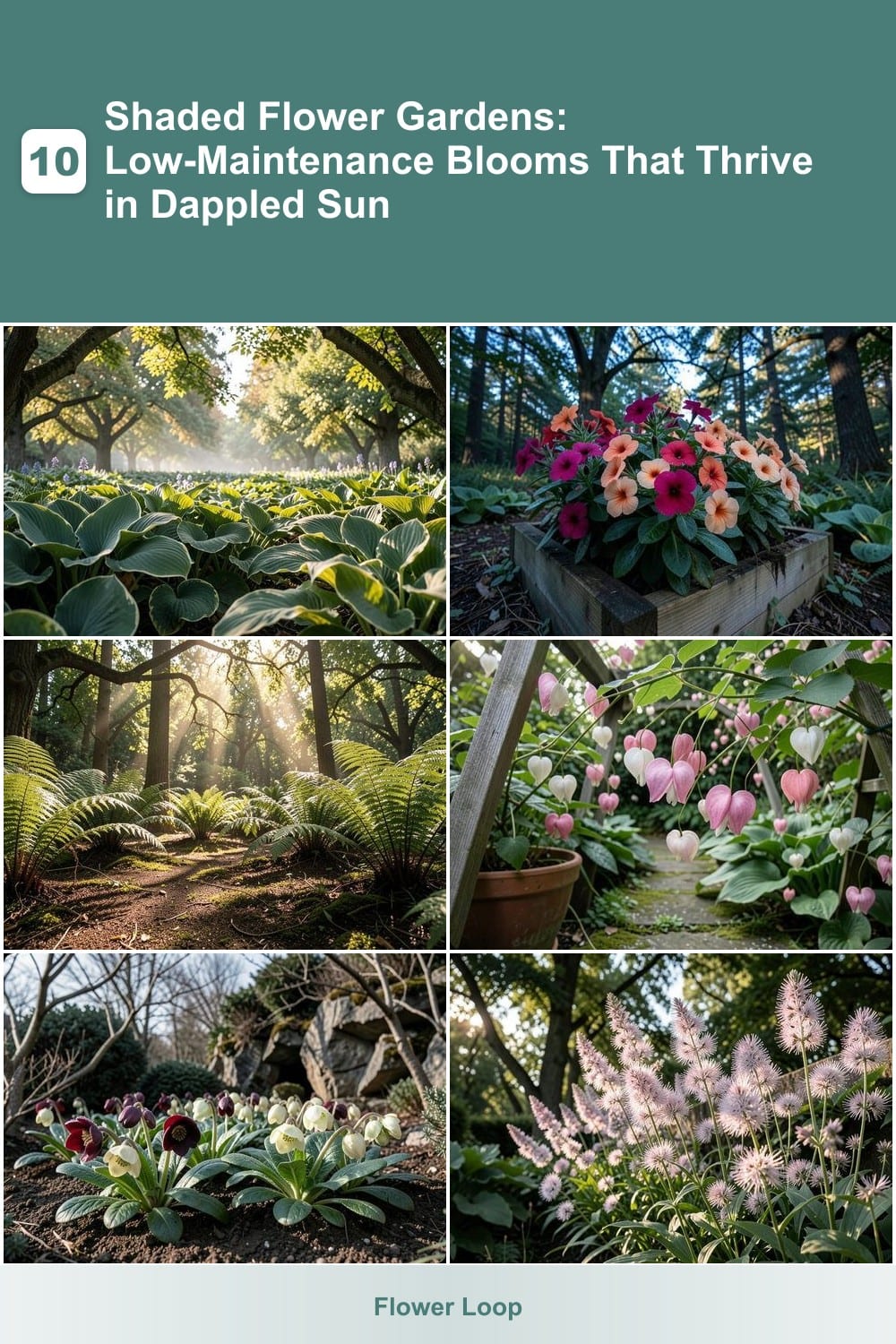
If you’ve ever stared at a shady patch under your trees and wondered what to plant there, hostas are your answer. These hardy perennials thrive in deep shade where most flowers would struggle, offering bold, textured foliage that adds instant visual interest to your garden.
Hostas come in a stunning range of colors—from deep blues and purples to golden yellows—and their large, dramatic leaves create a lush, almost tropical feel. They’re beginner-friendly, requiring only well-draining soil and occasional watering once established. Plant them in clusters for maximum impact, and pair with ferns or hellebores for a layered, woodland-inspired look.
Perfect for gardeners who want low-maintenance beauty without the fuss, hostas also deter slugs (thanks to their tough leaves) and spread slowly to fill in bare spots. They’re the ultimate solution for understory planting where sunlight barely reaches. 🌿
Impatiens for Bright Summer Color
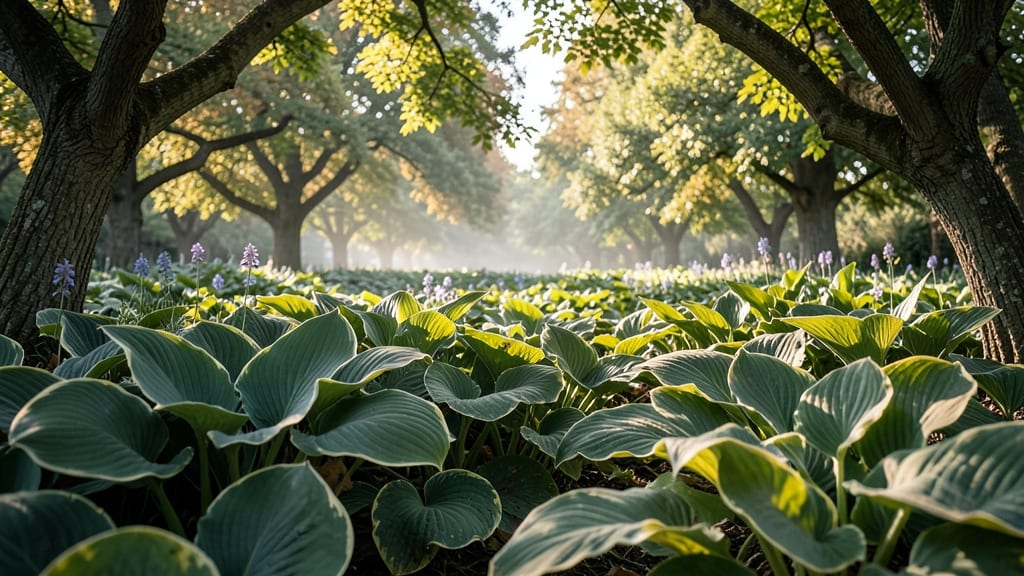
Need a quick splash of summer color in your darkest garden corners? Impatiens deliver nonstop blooms in just 4-6 weeks, outperforming other shade plants that barely budge. Their secret? A tender but resilient nature that thrives in deep shade where hostas or ferns might feel lackluster.
These annual workhorses come in red, pink, purple, and white varieties, perfect for hanging baskets, window boxes, or mass plantings. Keep soil consistently moist but well-draining—they wilt fast in dry conditions—and pinch back leggy stems to encourage bushier growth. Deadhead spent blooms to prolong flowering until frost.
Urban gardeners and renters love impatiens for their instant impact—no waiting years for perennials to mature. Pair them with ferns or hostas for a lush, layered look that brightens even the gloomiest spots. 🌻
Ferns for Lush Green Accents
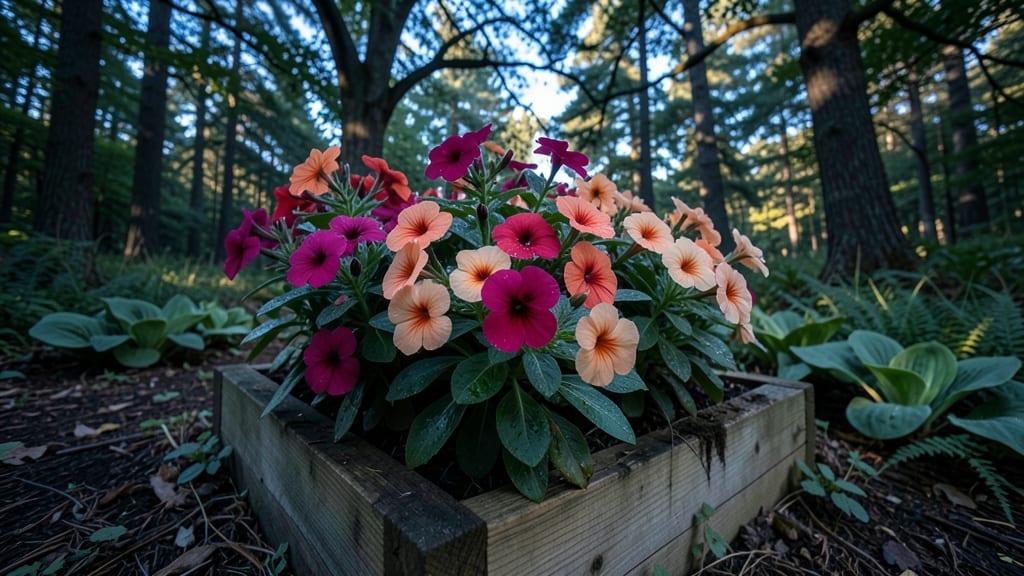
Want to turn your shaded garden into a tranquil woodland retreat without the upkeep? Ferns are your secret weapon—these ancient plants thrive in dappled sunlight, requiring only consistent moisture and well-draining soil to flourish year after year.
Choose from varieties like maidenhair ferns for delicate lace-like fronds or autumn ferns for bold, arching foliage. They naturally suppress weeds and attract beneficial insects, making them a low-maintenance choice that’s both functional and beautiful. Plant them in clusters along garden edges or under trees for a soft, textured backdrop.
Perfect for gardeners who crave serenity, ferns create a lush, evergreen canopy that stays vibrant even when other shade plants fade. Their quiet elegance makes them ideal for meditation gardens or cozy seating areas. 🌿
Bleeding Heart Flowers
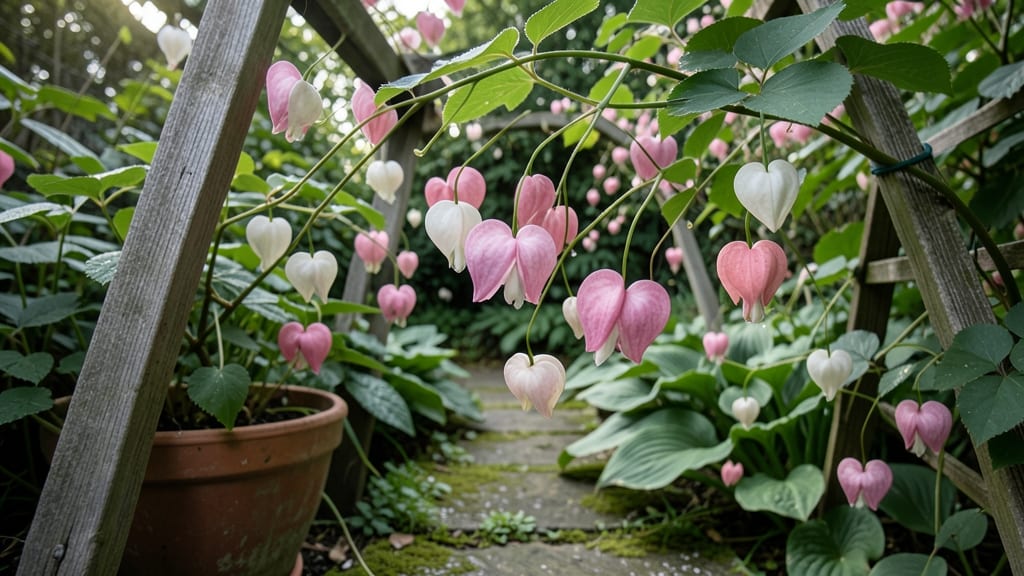
Want to add romantic charm and vertical drama to your shaded garden without sacrificing blooms? Bleeding heart flowers (Dicentra spectabilis) are the answer—these delicate perennials thrive in partial shade while arching gracefully over garden edges, trellises, or containers.
Plant them in moist, well-draining soil enriched with organic matter, and they’ll reward you with heart-shaped blooms in shades of pink, white, or red from late spring to early summer. Unlike flat ground covers, their arching stems create natural movement and height, perfect for softening fences or spilling over rock walls. Just keep them consistently moist (they hate drought) and divide clumps every 3-4 years to prevent overcrowding.
Ideal for cottage gardens, woodland borders, or even container gardens, bleeding hearts bring timeless elegance that pairs beautifully with ferns and hostas. Their springtime spectacle makes them a must for gardeners who love seasonal interest with minimal fuss. 🌷
Hellebores for Winter Blooms
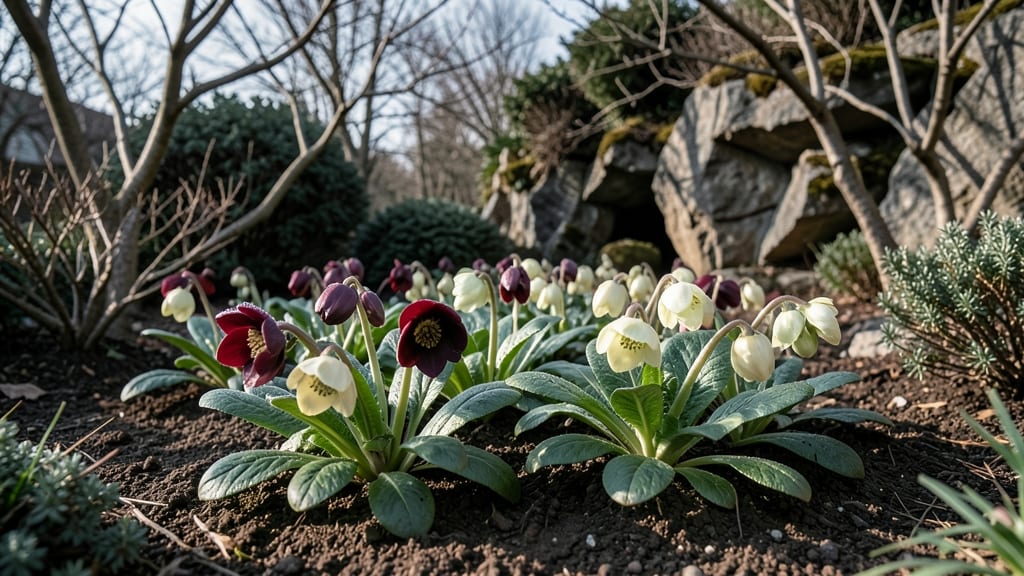
When your garden looks like a blank canvas in winter, hellebores step in as the unsung heroes—blooming from late winter to early spring when most plants are still asleep. These evergreen perennials thrive in deep shade, making them perfect for north-facing beds, under trees, or even rocky crevices where sunlight barely touches.
Plant hellebores in well-draining soil enriched with compost, and they’ll reward you with unique, nodding flowers in shades of white, pink, purple, or green. Their leathery, dark green leaves stay attractive year-round, while their late-winter blooms provide vital early pollen for bees. Deadhead spent flowers to encourage more blooms, but otherwise, they’re nearly foolproof—drought-tolerant once established and resistant to deer and rabbits.
Perfect for woodland gardens, cottage-style beds, or container gardens, hellebores add early-season drama when other shade plants are still dormant. Gardeners in cold climates will love their hardiness—they survive temperatures down to -20°F, making them a true winter standout. 🌟
Astilbes for Feathery Plumes
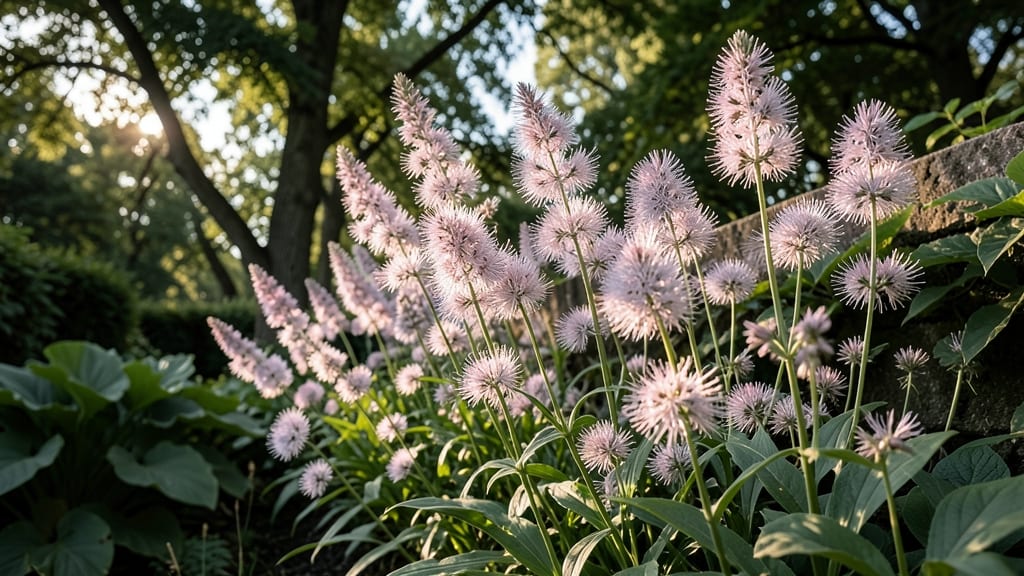
Tired of flat, uniform garden borders? Astilbes bring dramatic height and feathery texture to shaded edges with their airy, plume-like blooms that dance in the breeze. Unlike broadleaf plants, these perennials create vertical interest that catches light and adds movement—perfect for breaking up the monotony of hostas or ferns.
Available in pink, white, red, and lavender, astilbes thrive in partial to full shade and bloom from mid-to-late summer when many other shade plants have faded. Their fern-like foliage stays lush all season, and they’re deer-resistant—a bonus for rural gardeners. For best results, plant in moist, well-draining soil enriched with compost and stake taller varieties in windy spots.
Urban gardeners with small spaces will love astilbes for containers, while cottage gardeners can use them to frame pathways or soften fences. Their late-season color makes them a must for extending your garden’s blooming period. 🌟
Lungwort for Medicinal Beauty
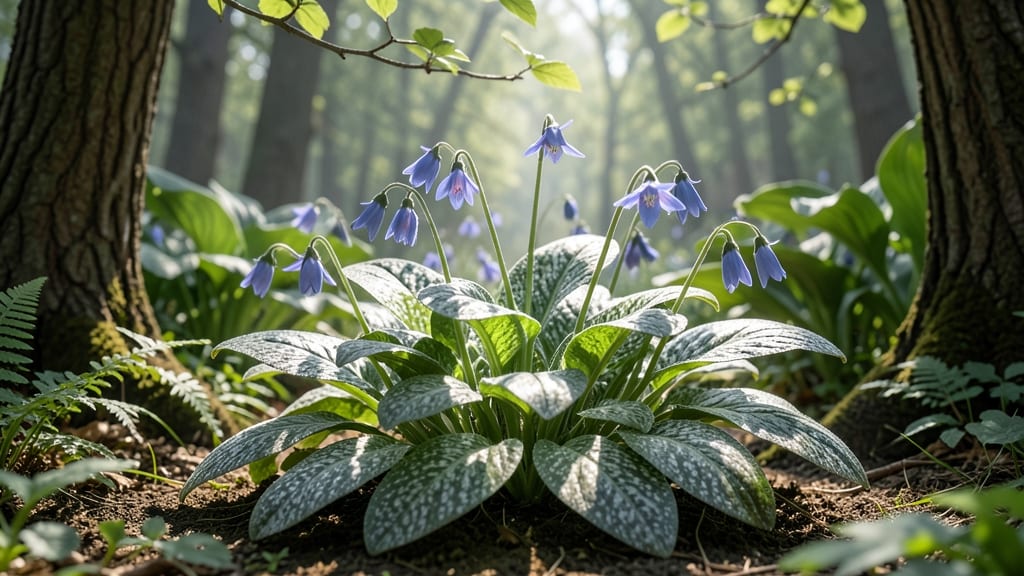
Looking for a shade-loving perennial that combines medicinal history with striking beauty? Lungwort (Pulmonaria) delivers both—its silver-spotted leaves and delicate blue spring blooms make it a standout in woodland gardens, while its roots were once used in traditional remedies for respiratory health.
This low-maintenance plant thrives in partial to full shade, tolerating everything from dry to moist soil as long as it’s well-draining. Its unique foliage (silver spots fade to green as spring warms) creates visual interest year-round, while early spring flowers attract pollinators. Plant it in clumps along borders or under trees, where its mounding habit adds texture without overpowering neighbors.
Perfect for herb gardeners, cottage-style plots, or woodland-inspired beds, lungwort’s dual appeal—both ornamental and functional—makes it a must for gardeners who love history-meets-horticulture. Its springtime charm bridges the gap between winter dormancy and summer blooms. ✨
Japanese Anemones for Late Season Color
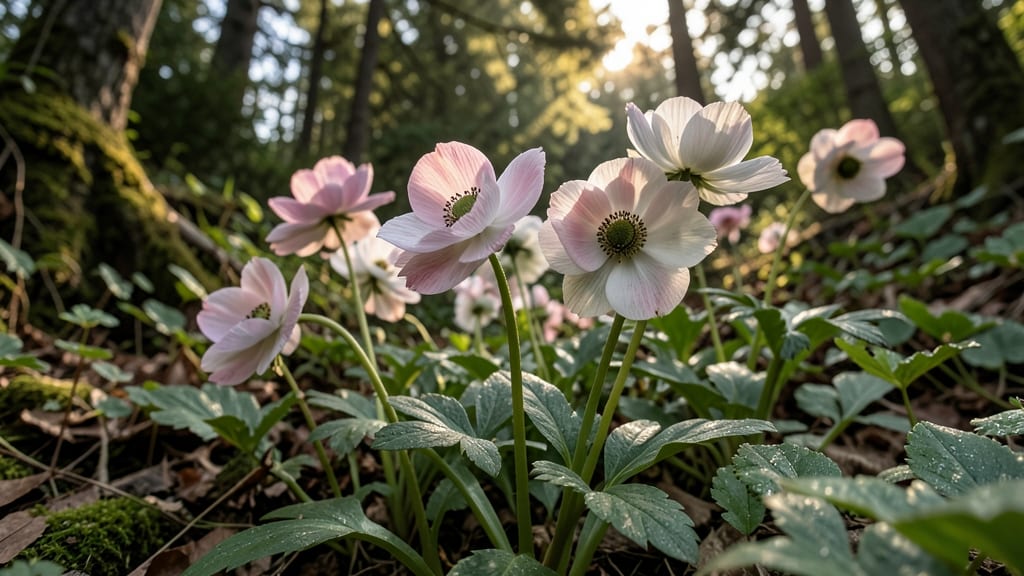
When your garden starts looking tired by late summer, Japanese anemones swoop in like a breath of fresh air—delivering elegant pink or white blooms just as other shade plants begin to fade. These perennials thrive in partial to full shade, making them perfect for understory planting where sunlight is scarce but dappled light filters through.
Their delicate, papery petals (often mistaken for peonies) bloom from August through October, providing long-lasting color when many gardens are otherwise bare. Plant them in moist, well-draining soil enriched with compost, and they’ll reward you with 3-4 feet of height, adding drama to borders or cutting gardens. Deadhead spent blooms to encourage more flowers, but otherwise, they’re nearly self-sufficient—drought-tolerant once established and resistant to deer.
Ideal for cottage gardens, woodland edges, or container plantings, Japanese anemones bring late-season magic that pairs beautifully with astilbes or hellebores. Gardeners who love extended blooming periods will adore how they turn shady spots into focal points well into autumn. 🌷
Sweet Woodruff for Fragrant Ground Cover
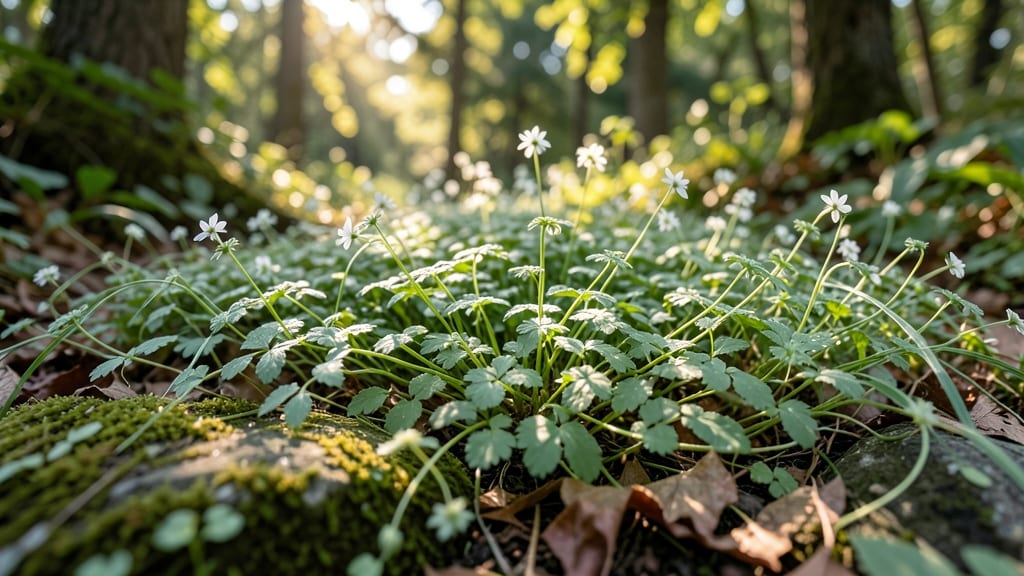
Tired of ground covers that look good but smell boring? Sweet woodruff (Galium odoratum) transforms your shady garden into a fragrant retreat with its low-growing, spreading habit and delicate hay-like scent when brushed against. Unlike most shade plants that focus on foliage or flowers, this perennial delivers a sensory experience—its leaves release a sweet, vanilla-cinnamon aroma that intensifies on warm days, perfect for pathways or seating areas under trees.
This hardy perennial thrives in partial to full shade, tolerating dry soil once established, and spreads quickly to fill bare spots while suppressing weeds. In spring, it produces tiny, star-shaped white flowers that add subtle charm, though the real magic is in its foliage. Plant it in clumps along borders or let it cascade over edges—it’s ideal for woodland gardens, fairy tale-inspired beds, or even containers where you want to add fragrance without height.
Gardeners who love scented gardens or want to create a whimsical, storybook atmosphere will adore sweet woodruff. It’s also deer-resistant and pairs beautifully with hostas or ferns for a lush, layered look. Just be warned—its scent is so intoxicating, you might find yourself crushing leaves just to enjoy it! 🌿
Caladiums for Tropical Foliage
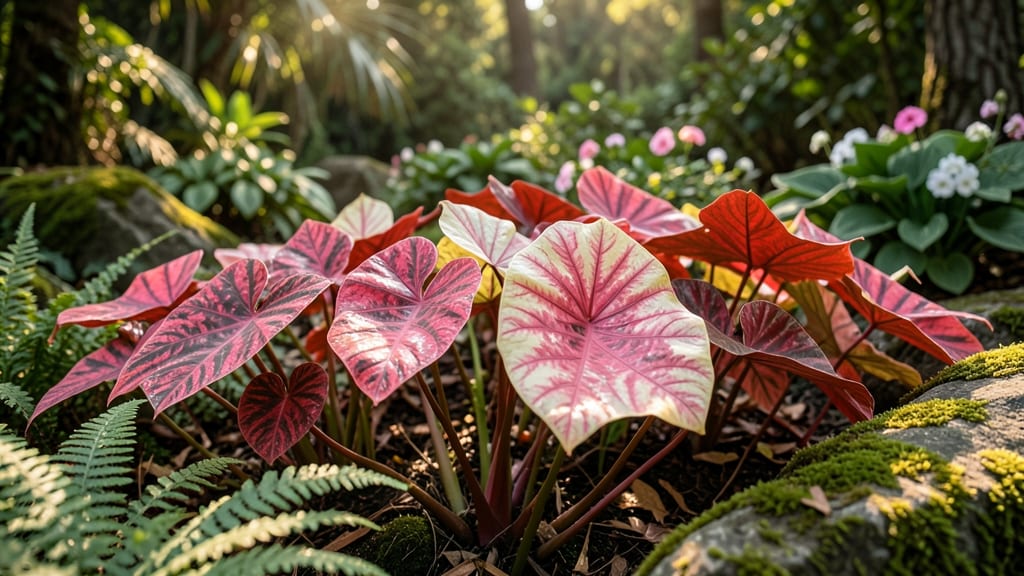
Ready to inject bold, tropical vibes into your shaded garden without the sun? Caladiums are the secret weapon—these stunning tuberous perennials deliver eye-catching foliage in fiery pinks, deep reds, and creamy whites, thriving where most plants would fade. Unlike traditional shade plants, caladiums focus on dramatic leaves rather than flowers, creating a lush, almost exotic backdrop perfect for containers, hanging baskets, or mixed borders.
Plant them in well-draining, rich soil with morning sun or dappled light—they’ll reward you with glossy, patterned leaves that stay vibrant all summer long. Since they’re tender perennials, treat them as annuals in colder zones (dig up tubers before frost) or overwinter them indoors. For extra drama, pair them with hostas or ferns to contrast their bold colors with softer textures.
Urban gardeners and small-space enthusiasts will love caladiums for their container versatility—they’re ideal for patios, balconies, or even as striking tabletop plants. Their seasonal punch makes them perfect for gardeners who want a tropical escape without the high maintenance. 💚