
Trees
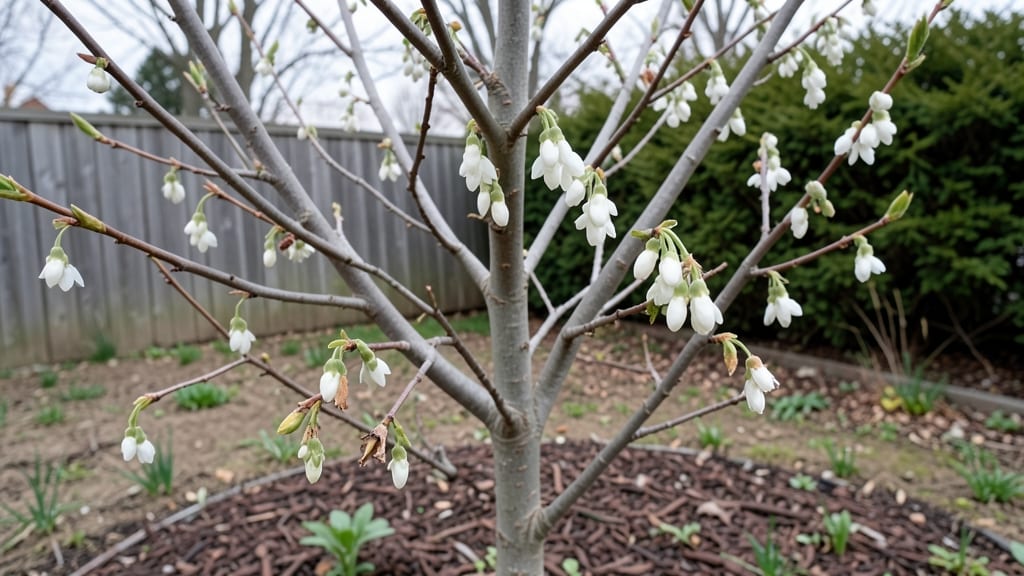
A pink and white flowering tree like the iconic cherry blossom 🌸 can transform your yard into a dreamy springtime canvas—without the upkeep of a high-maintenance garden.
Imagine a landscape that blooms with soft pink and pristine white flowers year after year—effortlessly adding elegance and charm without the fuss. These trees aren’t just beautiful; they’re the secret weapon for gardeners who crave low-maintenance yet stunning visual impact.
From delicate cherry blossoms to bold magnolias, these varieties thrive in USDA Zone 6a and beyond, offering fragrance, texture, and seasonal interest. Whether you’re planting a single specimen or lining a driveway, the right tree can create a focal point that lasts for decades.
Below, I’ll share the top varieties, planting tips for spring success, and design ideas to make your outdoor space unforgettable—starting with the perfect pink-and-white blooms that steal the show.
Top 10 pink and white flowering trees for every climate zone
Transforming your yard into a dreamy pink-and-white floral paradise is easier than you think. These hardy flowering trees thrive across USDA zones 3-10, offering seasonal blooms that attract pollinators while requiring minimal fuss.
Whether you're chasing cherry blossom vibes or dreamy magnolia fragrance, these top picks deliver year-round charm with disease resistance and adaptability as their superpowers.
From early spring bloomers like the Kwanzan cherry to late-summer showstoppers like the Japanese snowbell, each tree on this list has been handpicked for its bloom duration, low-maintenance care, and landscape versatility.
Whether you're a beginner gardener or a seasoned pro, these trees promise effortless beauty that keeps your garden looking fresh from season to season.
🌸
Let's start with the Kwanzan cherry, a disease
How to choose the perfect pink-and-white tree for your yard
Selecting the right pink-and-white flowering tree transforms your yard into a romantic retreat. But with so many options, how do you choose? Start by matching the tree’s sunlight needs to your yard’s light conditions—some thrive in full sun, while others prefer partial shade.
For example, Japanese cherry blossoms love bright light, while dogwoods tolerate dappled shade. This simple alignment ensures vibrant blooms and healthy growth.
Next, consider your soil type and mature tree size. Most flowering trees prefer well-draining, slightly acidic soil, but some like magnolias adapt to clay. Measure your space too—standard cherry trees can reach 40 feet tall, while dwarf varieties stay under 15 feet.
Skipping this step often leads to outgrown trees crowding patios or power lines.
Pink-and-White Flowering Tree Comparison
| Factor | Cherry Blossom | Dogwood | Magnolia |
|---|---|---|---|
| Sunlight | Full sun | Partial shade | Partial shade |
| Soil | Well-draining | Moist, acidic | Adaptable |
| Mature Height | 20-40 ft | 15-25 ft | 10-30 ft |
| Fragrance | Light | Mild | Strong |
| Bloom Time | Spring | Spring | Spring/Early summer |
Don’t overlook fragrance preferences—some trees like saucer magnolias fill the air with sweet scents, while others remain scentless. If you love evening strolls, prioritize fragrant varieties. Also, check existing plants in your yard.
Pairing a pink flowering tree with purple or blue perennials creates stunning color contrasts, while pairing it with another pink can feel overwhelming.
When planting, avoid these common mistakes: digging too small a hole (aim for 3x the root ball), planting too deep (root flare should sit above soil), or ignoring mulch (apply 3 inches of organic mulch to retain moisture).
I once planted a dogwood too deep, and it struggled for years—now I always mark the root flare with a stake before backfilling.
Finally, test your local climate zone. Trees like crabapples thrive in zones 4-8, while Japanese maples prefer zones 5-8. Check the USDA hardiness zone map and select a tree rated for your area. A well-chosen tree will reward you with decades of seasonal color and minimal fuss.
With these factors in mind, you’ll find the perfect pink-and-white tree that fits your yard’s style and conditions—without the guesswork. Start small, observe your yard’s microclimates, and enjoy the transformation! 🌸