
Trees
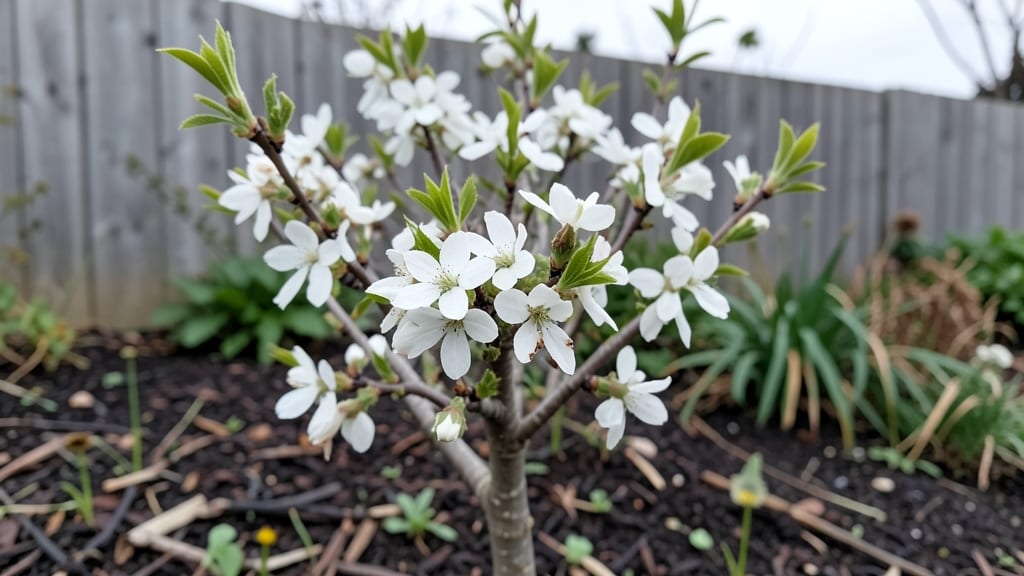
A white flowering almond tree 🌸 transforms your yard into a springtime paradise with its delicate, fragrant blooms—but only if you prune it like a pro.
Imagine a white flowering almond tree bursting with fragrant blossoms year after year—but only if you master the art of strategic pruning.
These stunning trees reward careful maintenance with longer, more abundant blooms, and the difference between a pruning novice and a pro can mean the difference between sparse flowers and a breathtaking display.
If you're in USDA Zone 6a, timing is everything. Plant your tree between March and April for the best start, but the real magic happens in winter when dormant branches reveal their secrets.
With the right cuts, you can shape a tree that blooms more heavily each spring, turning your garden into a fragrant showstopper.
In this guide, I’ll walk you through the exact pruning techniques to extend your white flowering almond’s bloom season, avoid common mistakes that kill blossoms, and keep your tree healthy for decades. Let’s get started!
When and how to prune white flowering almond trees for maximum blooms
Pruning your white flowering almond tree isn't just about shaping its form—it's the secret to unlocking its full blooming potential. These trees produce fragrant white blossoms in early spring, but only if you prune with precision.
The key lies in understanding seasonal timing and branch health, as aggressive cuts can damage next year's flower buds. I've learned that winter and summer pruning serve different purposes, and mastering both will transform your tree from a modest performer to a showstopper.
Timing is everything when it comes to white almond pruning. Most gardeners make the mistake of pruning at the wrong time, which can reduce flower production or even kill branches.
The best approach combines winter structural pruning (when the tree is dormant) with summer light pruning (to encourage air circulation). I'll walk you through both methods, including how to identify dead vs. healthy branches and when to make your cuts for optimal bloom results.
Step-by-Step Pruning Guide for White Flowering Almond Trees
-
Step 1: Winter Pruning (Late Dormancy)
Prune 3-4 weeks before bloom time (typically February-March in most climates). Focus on removing dead, diseased, or crossing branches to improve airflow and sunlight penetration.
-
Step 2: Identify Dead Branches
Look for brown, brittle wood with no green bark or leaves. Scrape a small section—if it reveals dark, dry tissue, it's dead. Cut these back to healthy wood at a 45° angle.
-
Step 3: Thin the Canopy
Remove 1/3 of the oldest branches to encourage new growth. Prioritize branches growing inward or downward, as they block sunlight and reduce bloom quality.
-
Step 4: Summer Pruning (Post-Bloom)
After flowers fade (late spring), prune lightly to shape the tree. Remove suckers or water sprouts (fast-growing vertical shoots) to redirect energy to blooms.
-
Step 5: Avoid Flower Bud Damage
Never prune after mid-summer, as new flower buds form then. If you must prune, limit cuts to 10% of the canopy to prevent stress.
-
Step 6: Sterilize Tools
Clean pruners with rubbing alcohol between cuts to prevent bacterial spread. Disinfect tools after each session to keep your tree healthy.
One of the biggest mistakes I see is pruning white flowering almonds too aggressively in spring. These trees set their flower buds in late summer, so heavy cuts now can reduce next year's blooms by up to 50%.
Instead, focus on selective thinning to maintain an open canopy. Aim for a shape that allows sunlight to reach the center, where most buds form. A well-pruned tree will have a balanced structure with branches spaced evenly.
Visual cues are your best friend when pruning. Healthy branches have green bark and smooth, flexible wood, while dead branches are dry, cracked, or hollow. If you're unsure, perform the "scratch test": scrape the bark with your fingernail.
Green underneath means it's alive; brown means it's dead. Always cut just outside the branch collar (the swollen area where the branch meets the trunk) to promote faster healing.
For young white flowering almond trees (under 3 years old), pruning is about establishing structure. Remove any branches growing below the first 12-18 inches of the trunk, as these won't receive enough sunlight.
In mature trees, focus on removing large, overcrowded branches that compete for nutrients. Remember, less is more—these trees bloom on old wood, so aggressive pruning can backfire.
After pruning, your tree will need time to recover. Apply a balanced fertilizer (10-10-10) in early spring to support new growth. Water deeply but avoid overwatering, as soggy soil can stress the tree.
Mulch around the base with 2-3 inches of organic matter to retain moisture and regulate soil temperature. This step is crucial for encouraging robust blooms the following season.
If your white flowering almond isn't blooming as expected, revisit your pruning habits. Over-pruning, wrong timing, or neglecting branch health can all reduce flower production. Start fresh in winter by removing only the necessary branches and focus on improving airflow.
With patience and precision, your tree will reward you with show-stopping white blossoms year after year.
Pro tip: Take before-and-after photos of your pruning sessions. Comparing the two will help you track progress and refine your technique over time. Most gardeners see a 30-50% increase in blooms within 2-3 years of proper pruning—proof that this investment pays off in spectacular fashion.
Common pruning mistakes that kill white flowering almond blossoms
Your white flowering almond tree might look healthy, but aggressive or poorly timed pruning can turn its stunning spring blooms into sparse, weak displays. I’ve seen before-and-after transformations where overzealous pruning reduced blossoms by 50% or more—and the worst part?
Many gardeners don’t realize they’re causing the damage until it’s too late.
Pruning is all about balance. Cut too much, and you remove next year’s flower buds hidden in the branches. Time it wrong, and you stress the tree when it’s already vulnerable.
Even clean cuts can backfire if you don’t know where to place them. Let’s fix this before your tree’s white blossoms become a memory.
- Pruning in late winter – Removes flower buds before they open.
- Cutting more than 25% of branches – Starves the tree of energy for blooms.
- Using dull tools – Causes jagged cuts that invite disease.
Your tree’s white blossom potential hinges on timing and technique. Skip these, and you’ll see fewer flowers—and weaker growth—next spring.
First, let’s tackle the timing trap. Many gardeners prune in late winter, just as flower buds form. These buds appear as tiny swellings along branches—if you snip them off, you’re essentially cutting next year’s blooms before they even bloom.
Instead, prune in early spring, right after the last frost but before buds swell (usually February–March in most USDA Zone 6a areas).
Next, watch your cutting ratio. A common mistake is removing 30%+ of branches at once. For white flowering almonds, this stresses the tree and diverts energy away from flower production.
Stick to 10–25% max per year. Thin out crossing or dead branches first—they block sunlight and drain resources. Save heavy shaping for summer pruning after blooms fade.
Your tools matter too. A dull pruner tears bark, creating jagged wounds that invite fungal infections like bacterial blight. Always use sharp, sterilized shears and make cuts just outside the branch collar (the swollen area where the branch meets the trunk).
Seal larger cuts with pruning sealant to prevent decay.
Finally, avoid the top-heavy look. Pruning only the top branches leaves your tree unbalanced, making it prone to storms and reducing airflow for flowering branches.
Focus on lower branches first to encourage a fuller, stronger structure. A well-pruned tree will reward you with dramatic white blossoms for years.
Ready to prune like a pro? Grab your shears, mark your calendar for early spring, and remember: less is more when it comes to white flowering almond pruning. Your future blooms will thank you! 🌸