
Shrubs
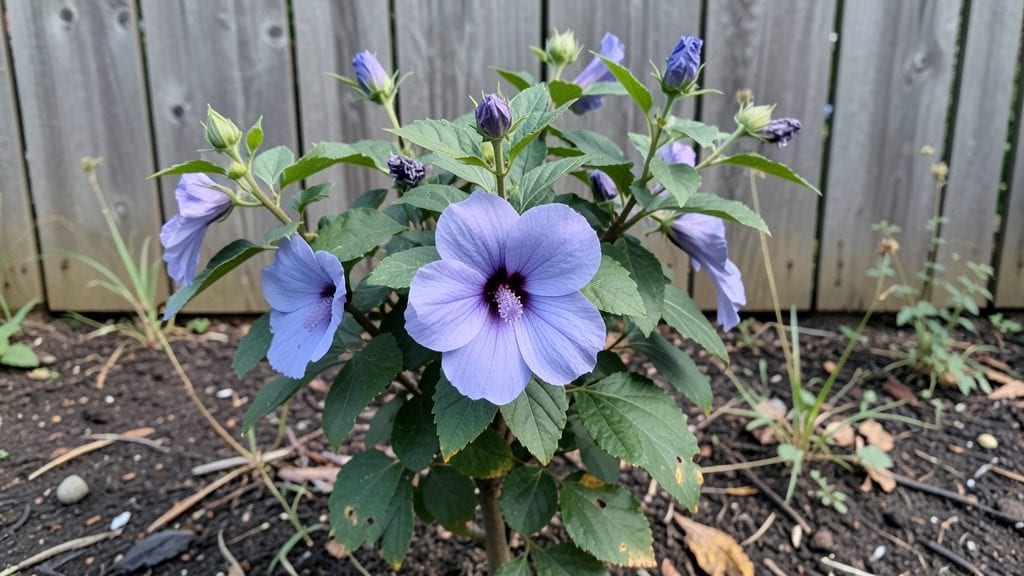
Growing a thriving shrub althea flower 🌸 means mastering its unique pruning needs to keep those showstopping blooms coming all season.
Picture this: you’ve planted your althea in spring, and by summer, it’s a lush, flowering wall of color—until you realize the blooms taper off by fall. The secret? Strategic pruning that encourages year-round reblooming without sacrificing the plant’s structure.
Most gardeners miss the timing or technique, but with the right cuts, you can turn that seasonal burst into a continuous display.
Althea thrives in USDA Zone 6a and beyond, but even the hardiest shrubs need a little help to perform their best. Whether you’re dealing with leggy stems or sparse flowers, the key lies in when and how you prune—spring for shaping, late summer for reblooming.
Below, I’ll walk you through the exact steps to keep your althea looking its best with minimal effort.
Ready to unlock longer blooms and a healthier shrub? Let’s dive into the pruning secrets that’ll transform your althea from a one-season wonder to a year-round star.
When and how to prune shrub althea for continuous flowering
Pruning your shrub althea (Hibiscus syriacus) at the right time can transform it from a seasonal bloomer to a year-round flower powerhouse. The key lies in understanding its natural growth cycle and how strategic cuts encourage reblooming while maintaining its compact, bushy shape.
Unlike many shrubs, althea blooms on old and new wood, meaning you can prune more aggressively without sacrificing flowers.
Timing is everything—prune too early, and you risk removing next year’s flower buds. Prune too late, and you may cut off current blooms. The best times are late winter/early spring (just before new growth starts) and late summer (after the first flush of flowers).
This two-step approach ensures your shrub stays healthy, vigorous, and covered in blooms from summer through fall.
Step-by-Step Pruning Guide for Shrub Althea
- 1 Late Winter/Early Spring Pruning (Zones 6-9): Cut back 1/3 of the oldest stems to the ground. Focus on thin, weak, or crossing branches to improve airflow and sunlight penetration. This stimulates new growth that will produce summer blooms.
- 2 Shape the Canopy: Use hand pruners to trim back any overly long branches to maintain a balanced, rounded shape. Avoid cutting into old wood (wood older than 3 years), as it won’t produce new flowers.
- 3 Late Summer Pruning (After First Bloom): Once the first flush of flowers fades (typically late August), prune again to encourage a second flush of blooms. Cut back 1/3 of the current season’s growth to promote new flower buds for fall.
- 4 Deadhead Faded Blooms: Throughout the growing season, remove spent flowers by pinching them off just above a leaf node. This redirects energy to new flower production instead of seed development, extending the blooming season.
- 5 Clean Up Tools: After pruning, sterilize your tools with rubbing alcohol to prevent disease spread. Store pruned branches in a compost bin or mulch them around the base of the plant for nutrient-rich mulch.
For young shrubs (under 3 years old), focus on light pruning to establish structure. Remove only dead or damaged branches and trim back 10-15% of the growth to encourage bushier growth.
Mature shrubs (over 3 years) can handle more aggressive pruning, as they’ve already developed a strong framework of old wood.
If your shrub althea isn’t blooming as expected, it might be over-pruned or lacking sunlight. Ensure it gets at least 6 hours of full sun daily and avoid cutting back more than 1/3 of the plant in a single season.
Over-pruning can stress the shrub and reduce flowering potential.
In colder climates (Zones 5 and below), delay spring pruning until after the last frost to avoid frost damage to fresh cuts. If you live in a warmer zone (Zones 8-10), you can prune year-round, but always avoid pruning during extreme heat or drought to prevent shock.
Pro tip: Label your pruning tools with the date and type of cut (e.g., "Spring 2024 – Structural Prune") to track your progress. Over time, you’ll notice how consistent pruning leads to healthier growth and longer bloom seasons.
Your shrub althea will reward you with vibrant, abundant flowers from early summer through fall!
Remember, pruning is an art, not a science. Start with these steps, observe how your shrub responds, and adjust your approach each year. With patience and practice, your shrub althea will become a stunning, low-maintenance focal point in your garden.
Common shrub althea pruning mistakes that kill blooms
Pruning your shrub althea (also called rose of Sharon) is essential for keeping it healthy and blooming year-round, but even small mistakes can drastically reduce flower production. Many gardeners accidentally stunt growth or eliminate next year’s buds by cutting at the wrong time or using the wrong technique.
Let’s explore the most common errors—and how to fix them—to keep your shrub althea flower thriving.
One of the biggest mistakes is pruning too late in the season. If you cut back after mid-fall, you risk removing next year’s flower buds, which form on old wood. Another frequent error is over-pruning, which weakens the shrub and limits its ability to produce flowers.
Even the cutting angle matters—improper cuts can lead to disease or slow recovery. Let’s dive into these critical mistakes and how to avoid them.
⚠️ Critical Pruning Mistakes That Stop Your Shrub Althea From Blooming
- Pruning in winter: Dormant buds form in late summer/fall—cutting now removes next year’s flowers.
- Cutting too aggressively: Removing more than 1/3 of the shrub weakens growth and reduces blooms.
- Wrong angle/surface: Jagged cuts or leaving stubs invite disease and slow recovery.
- Ignoring deadheading: Leaving spent blooms drains energy from new flower production.
These errors can turn your shrub althea into a shadow of its blooming potential. Fix them now to restore vibrant flowers!
First, let’s tackle timing mistakes. Many gardeners prune in late winter or early spring, but this is too late for shrub althea. The best time to prune is late winter to early spring, but only if you’re shaping the shrub.
For reblooming varieties, focus on light pruning in late summer to encourage new growth and more flowers. Cutting at the wrong time can leave your shrub with bare branches and fewer blooms.
Next, over-pruning is a silent bloom killer. If you remove more than 1/3 of the shrub in one session, you’re stripping away next year’s flower buds and weakening the plant’s structure. Instead, aim for 10-20% of the shrub per year.
For example, if your shrub althea is 6 feet tall, only trim back 1-2 feet annually. This keeps the plant strong and ensures a steady supply of vibrant blooms.
Another common error is using the wrong cutting technique. Always make cuts at a 45-degree angle, about 1/4 inch above a bud or branch. Avoid leaving stubs or cutting into old wood, as this can lead to disease or slow recovery.
Use clean, sharp pruners to make precise cuts. If you’re unsure where to cut, look for outward-facing buds—these will encourage the shrub to fill out rather than grow inward.
Finally, skipping deadheading is a missed opportunity for more blooms. After flowers fade, trim them back to the nearest leaf or bud. This redirects the plant’s energy into producing new flowers instead of seeding.
For shrub althea, deadhead regularly throughout the blooming season to keep your plant looking fresh and encourage continuous flowering.
By avoiding these common mistakes, your shrub althea flower will reward you with lush foliage and abundant blooms all season long. Start with the right timing, use the correct cutting technique, and don’t overdo it—your shrub will thank you with stunning flowers year after year! 🌸