
Trees
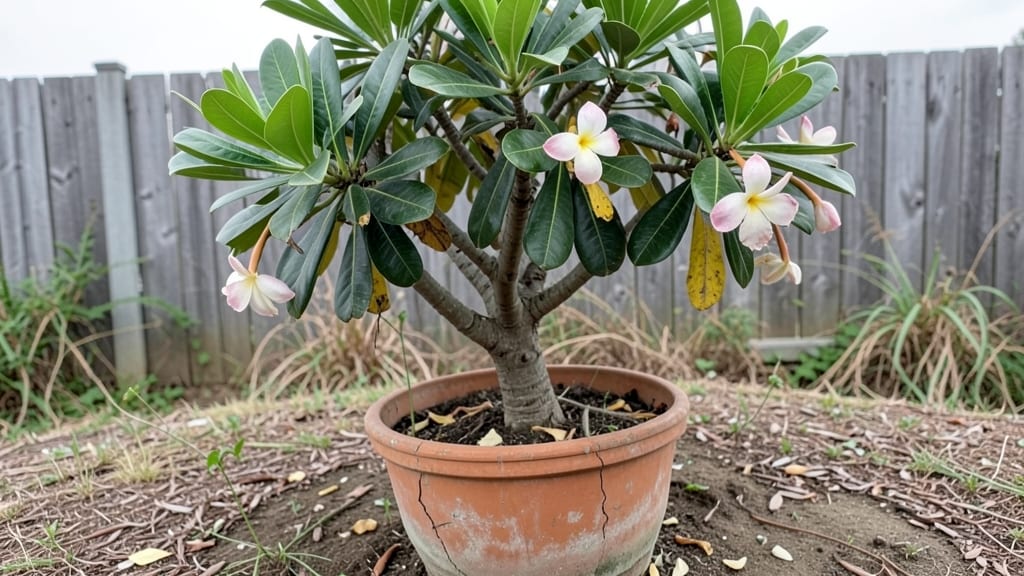
If you crave a smelly flowering tree that turns your yard into a fragrant paradise, the Amber Tree (Liquidambar styraciflua) 🌳 might just be your perfect match.
Picture this: spring arrives, and your garden bursts with a sweet, vanilla-like perfume that lingers in the air—so strong it follows you indoors. Unlike delicate annuals, this tree thrives for decades, offering year-round interest with its striking fall colors and spiky seed pods.
But here’s the catch: planting it in Zone 6a between April and May means timing matters. Too early, and frost zaps young roots; too late, and summer heat stresses the transplant.
I’ll walk you through the ideal window, soil prep, and care secrets to ensure your tree blooms with the strongest scent possible.
Ready to transform your outdoor space into a sensory retreat? Let’s dive into how to grow a fragrant giant that’ll make your neighbors jealous—and your garden unforgettable.
Top 5 fragrant flowering trees with strongest scents
If you crave a garden filled with intoxicating aromas, fragrant flowering trees are the ultimate solution. These stunning specimens don't just provide beauty—they transform your outdoor space into a sensory paradise.
The best smelly flowering trees like Japanese Snowbell and Star Magnolia release scents so powerful they can be detected from 30 feet away, creating an unforgettable atmosphere for your patio or garden parties.
What makes these trees truly special is their ability to combine visual appeal with aromatic intensity. Unlike delicate annuals, these hardy trees offer season-long interest, from vibrant spring blooms to fragrant summer evenings.
Their deep roots also improve soil health while attracting pollinators like bees and butterflies, making them an eco-friendly choice for any landscape.
🌿
The Japanese Snowbell stands out with its delicate white flowers that release a scent reminiscent of jasmine tea in late spring. This shade-tolerant tree thrives in moist, well-drained soil and works beautifully as an understory plant near patios where you can fully enjoy its fragrance.
Its horizontal branching creates an elegant, layered look that's perfect for traditional gardens.
For those who love bold spring displays, the Bradford Pear delivers with its abundant pink blossoms that smell like a mix of honey and citrus. This fast-growing tree reaches maturity quickly, making it ideal for instant curb appeal.
However, be aware that its invasive roots require careful placement away from sidewalks and foundations. Prune in late winter to maintain its shape and encourage more fragrant blooms.
🌸
If you prefer summer-long fragrance, the Crape Myrtle is a showstopper. Its lilac-like flowers emit a spicy, slightly sweet aroma that fills the air from July through September.
This drought-tolerant tree loves full sun and well-draining soil, making it perfect for xeric landscapes. The bonus? Its exfoliating bark adds winter interest when the flowers fade.
The Star Magnolia is a compact powerhouse with star-shaped white blooms that smell like cream-filled pastries in early spring. This low-maintenance tree prefers acidic soil and partial shade, making it ideal for woodland gardens or as a specimen plant near seating areas.
Its early bloom time makes it a favorite for gardeners who want spring fragrance before other trees leaf out.
For a smaller-scale option with subtle charm, the Eastern Redbud offers magenta pink flowers that release a gentle al
How to choose the best smelly flowering tree for your climate and space
Selecting the perfect smelly flowering tree for your yard requires balancing your climate zone, available space, and sunlight exposure. These fragrant trees thrive in specific conditions, so understanding their needs will ensure your investment blooms beautifully—and smells amazing—for years.
Let’s break down the key factors to consider before planting.
First, check your USDA hardiness zone to narrow down suitable varieties. For example, Southern Magnolias (Zone 4-9) love humidity, while Bradford Pears (Zone 5-8) handle cooler northern climates better. Your local microclimate also matters—urban areas may have hotter summers or drier air, affecting tree health and fragrance intensity.
- Climate Match: Choose trees like Crape Myrtle for hot, dry climates (Zones 7-9) or Japanese Snowbell for cooler, humid regions (Zones 5-8).
- Space Planning: Dwarf varieties like Star Magnolia (20-25 ft) fit small yards, while Bradford Pear (30-40 ft) needs ample room.
- Sunlight Needs: Most fragrant trees thrive in full sun (6+ hours/day), but Fringe Tree tolerates partial shade.
- Fragrance Intensity: Jasmine and Frangipani offer the strongest scents, while Dogwood has a milder, sweeter aroma.
- Soil Type: Well-draining, slightly acidic soil suits most flowering trees—amend clay soil with compost to improve drainage.
- Regional Tips: Western gardens may need drought-tolerant varieties like Desert Willow, while Eastern gardens can support moisture-loving Sweet Bay Magnolia.
Next, consider your yard layout and how the tree’s mature size will impact your space. A 20-foot-tall tree like the Eastern Redbud works well near patios, while a 40-foot Bradford Pear needs a large open area.
Place fragrant trees near seating areas, decks, or walkways to maximize scent enjoyment during evening strolls.
Don’t overlook maintenance requirements. Some smelly trees, like Crape Myrtle, need regular pruning to encourage dense blooms, while others, like Japanese Snowbell, require minimal upkeep. If you’re new to gardening, opt for low-maintenance varieties to avoid overwhelm while still enjoying their heavenly aromas.
Finally, test your soil’s pH and drainage before planting. Most fragrant trees prefer slightly acidic soil (pH 6.0-7.0), but a simple soil test kit will give you precise guidance.
Amend the soil with organic matter like compost or peat moss to create the ideal growing conditions for your chosen tree.
With these factors in mind, you’ll be well on your way to selecting a smelly flowering tree that thrives in your climate, fits your space, and fills your garden with intoxicating fragrance for seasons to come. Happy planting! 🌳