
Trees
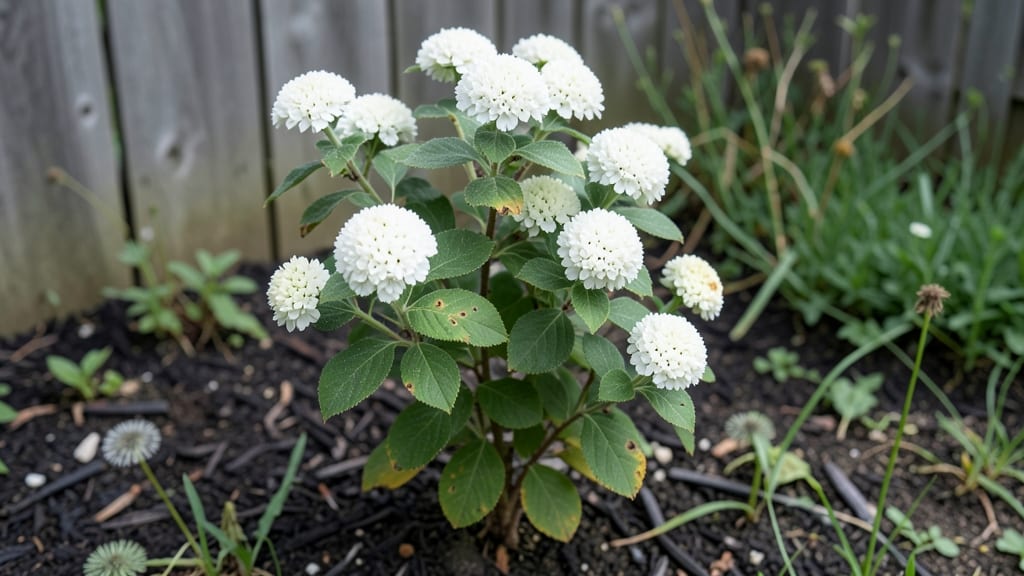
Growing a snowball flower tree 🌸 means adding a showstopper to your yard that blooms like clockwork every spring and keeps its charm long after the petals fall.
Imagine a tree that bursts into pure white blooms every spring, then transforms into a lush green canopy that provides shade and privacy year-round—all while growing faster than most ornamental trees.
The snowball flower tree (Viburnum opulus) delivers exactly that, making it a standout choice for gardeners seeking low-maintenance beauty with high impact.
If you’re looking for a tree that thrives in USDA Zone 6a and beyond, this one checks all the boxes: it handles partial shade, resists pests, and even attracts pollinators. But here’s the catch—planting it right in April or May sets the stage for bigger blooms and stronger growth.
Below, I’ll walk you through the exact steps to plant, prune, and care for your snowball flower tree so it becomes the star of your landscape—no green thumb required.
Top 5 fast-growing snowball flower tree varieties for instant impact
If you're dreaming of a quick-impact garden centerpiece, the snowball flower tree (Hydrangea arborescens) is your best bet. These varieties grow 3-5 feet per year, delivering stunning white blooms in just 2-3 seasons.
Whether you need a privacy screen, focal point, or shade provider, these top 5 fast-growing cultivars will transform your yard faster than you think.
The classic Snowball Hydrangea (Hydrangea arborescens 'Annabelle') remains a favorite, but newer varieties like 'Pink Profusion' and 'Compactum' offer unique colors and space-saving sizes. Each variety thrives in USDA Zones 4-9, making them versatile for most climates.
Let’s compare their growth rates, mature sizes, and ideal conditions to help you pick the perfect fit for your garden.
🌱
| Variety | Growth Rate (Annual) | Mature Height | Mature Width | Best For | Climate Zones |
|---|---|---|---|---|---|
| 'Annabelle' (Classic) | 3-5 ft | 4-5 ft | 4-6 ft | Privacy screens, borders | 4-9 |
| 'Wentworth' (Compact) | 2-4 ft | 3-4 ft | 3-5 ft | Containers, small gardens | 5-9 |
| 'Pink Profusion' | 3-4 ft | 4-5 ft | 4-6 ft | Color contrast, focal points | 4-9 |
| 'Compactum' (Dwarf) | 1-2 ft | 2-3 ft | 2-4 ft | Borders, patios, containers | 5-9 |
| 'Grandiflora' (Heat-Tolerant) | 3-5 ft | 5-6 ft | 5-7 ft | Hot climates, shade trees | 6-9 |
For instant curb appeal, the 'Annabelle' variety is my top pick—it grows aggressively and produces football-sized blooms that last from late spring to summer. If you're short on space, 'Compactum' is a dwarf powerhouse, reaching just 2-3 feet tall while still delivering bold white flowers.
Meanwhile, 'Pink Profusion' adds a unique color twist to traditional white blooms, perfect for gardeners who love pops of pink.
One of my favorite space-saving hacks is planting 'Wentworth' in large containers on patios or balconies. This compact variety thrives in containers and can be moved to optimize sunlight. Just ensure the pot has drainage holes and use a high-quality potting mix to prevent root rot.
For hotter climates, 'Grandiflora' is the heat-tolerant champion, flourishing in USDA Zones 6-9 where other varieties might struggle.
All snowball flower trees prefer morning sun to partial shade, but 'Annabelle' and 'Grandiflora' can handle full sun in cooler regions. In southern climates, provide afternoon shade to prevent leaf scorch.
Mulch around the base with 2-3 inches of organic mulch (like shredded bark) to retain moisture and regulate soil temperature. This simple step can double your tree’s growth rate in the first year.
When planting, dig a hole twice as wide as the root ball but no deeper. Amend the soil with compost to improve drainage, especially if
How to plant and care for snowball flower trees for maximum blooms
Transforming your yard with snowball flower trees (Viburnum opulus) starts with proper planting and ongoing care. These trees thrive with minimal effort but reward you with stunning white blooms and dense foliage.
The key to maximizing their beauty lies in understanding their sunlight needs, soil preferences, and pruning techniques. Whether you're planting a single specimen or creating a living privacy screen, following these steps ensures your trees grow strong and flourish for years.
Before you begin, choose the right location. Snowball flower trees love full sun to partial shade, ideally receiving at least 6 hours of sunlight daily.
They adapt well to various soil types but perform best in moist, well-draining soil with a slightly acidic to neutral pH. If your soil is heavy clay or overly sandy, amend it with compost or organic matter to improve drainage and nutrient retention.
Pruning is essential for encouraging fuller blooms and maintaining the tree's shape. The best time to prune snowball flower trees is late winter or early spring, just before new growth begins. Remove any dead, diseased, or crossing branches first.
To promote bushier growth, cut back one-third of the oldest stems to the ground each year. This rejuvenates the tree and stimulates new growth from the base.
During the growing season, monitor your tree for signs of stress or pests. Yellowing leaves may indicate overwatering or nutrient deficiencies, while chewed leaves could signal aphids or Japanese beetles.
Treat pests with neem oil or insecticidal soap, and address nutrient issues with a balanced fertilizer applied in early spring. Regularly check the soil moisture, especially during hot, dry periods, to prevent drought stress.
In fall, prepare your snowball flower tree for winter by applying a thick layer of mulch around the base. This protects the roots from freezing temperatures and retains moisture. Avoid fertilizing in late fall, as new growth can be damaged by early frosts.
With proper care, your tree will reward you with vibrant blooms year after year, adding timeless elegance to your landscape.