
Trees
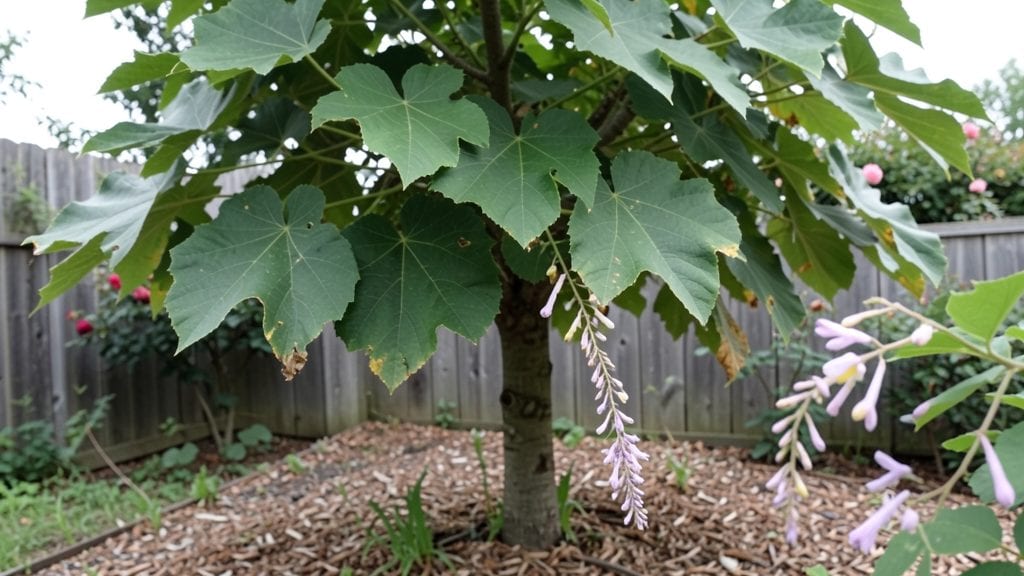
The Southern Catalpa flower 🌸 is one of the fastest-growing shade-tolerant bloomers you can plant, turning your yard into a summer spectacle with its fragrant, trumpet-shaped blossoms.
Imagine a tree that grows 3 feet a year while thriving in partial shade—yet most gardeners overlook it because they assume it needs full sun to shine.
The truth? This tree’s dramatic white and purple flowers actually prefer morning sun and afternoon shade, making it perfect for tight spaces or under power lines.
From planting in late winter to pruning for bigger blooms, I’ll walk you through every step to keep your Southern Catalpa healthy, pest-free, and bursting with color every June through August.
Ready to transform your landscape with minimal effort? Let’s dive into the secrets of growing this low-maintenance beauty—without the common mistakes that kill its potential.
How to plant Southern catalpa flowers for fast growth and vibrant blooms
The Southern Catalpa (Catalpa bignonioides) is a showstopper with its large, fragrant white blooms and rapid growth—up to 3 feet per year under ideal conditions. But to unlock its full potential, you need to nail the planting process.
Whether you're transforming a bare spot into a shade garden focal point or lining a driveway with these pollinator magnets, proper technique is everything. Let’s dive into the step-by-step planting guide that ensures your catalpa thrives from day one.
First, timing is critical. Plant your Southern Catalpa in late winter to early spring (February–March in most USDA Zones 8a-11), just as new growth begins. This gives roots 6-8 weeks to establish before summer heat arrives.
If you must plant later, opt for container-grown trees to avoid transplant shock. Avoid fall planting—your tree won’t have enough time to root before winter dormancy sets in.
Once your Southern Catalpa is planted, the real magic happens in the first growing season. These trees reward consistent care with lush foliage and abundant blooms by midsummer.
To keep your catalpa on track for fast growth and vibrant flowers, prioritize deep watering every 5–7 days during the first year, especially in hot, dry spells. Avoid overhead watering to prevent fungal diseases like powdery mildew, which can dull those stunning white and lavender blooms.
Pro tip: If your catalpa’s growth stalls or blooms are sparse, it might need a light feeding in early spring. Use a balanced fertilizer (10-10-10) at half-strength to avoid burning young roots. For established trees, a top-dressing of compost in late winter is all they need to thrive.
Remember, Southern Catalpas are low-maintenance once established—just give them space, sunlight, and a little TLC, and they’ll repay you with decades of drama.
Ready to transform your landscape? Plant your Southern Catalpa this season and watch it become the centerpiece of your summer garden.
With its fragrant flowers and rapid growth, it’s a tree that truly delivers on its promise—just follow these steps, and you’ll be rewarded with a shade-loving superstar that’s as easy to grow as it is beautiful.
Southern catalpa flower care: pruning, watering, and soil secrets for year-round health
The Southern catalpa (Catalpa bignonioides) rewards gardeners with showy summer blooms and lush foliage, but its long-term health depends on proper pruning techniques, watering consistency, and soil management.
Unlike many trees, catalpas thrive with minimal fuss—but they do need your attention at key times to prevent disease and encourage abundant flowering. Let’s break down the essentials for year-round vitality.
First, understanding your Southern catalpa’s growth habits is critical. These trees grow 2-3 feet annually in ideal conditions, but their flowering potential peaks when you prune strategically. The best time to prune is late winter or early spring, just before new growth begins.
This timing ensures you remove dead wood while stimulating fresh blooms for the upcoming season.
Pruning Southern Catalpa
Pros:
- Encourages larger blooms
- Removes dead/diseased wood
- Improves air circulation
- Shapes tree structure
Cons:
- Over-pruning reduces blooms
- Wrong timing stresses tree
- Improper cuts invite disease
Watering Southern Catalpa
Pros:
- Supports root development
- Prevents drought stress
- Enhances bloom production
- Keeps soil aerated
Cons:
- Overwatering roots rot
- Inconsistent watering weakens growth
- Poor drainage limits nutrients
Soil Amendments
Pros:
- Boosts nutrient uptake
- Improves drainage
- Encourages microbiome health
- Supports root expansion
Cons:
- Over-fertilizing burns roots
- Compacted soil limits growth
- Wrong pH reduces blooms
For watering schedules, young catalpas need deep watering every 5-7 days during their first year, while established trees thrive on bi-weekly deep soaks. Always water in the early morning to reduce fungal risks.
Mulching around the base with 2-3 inches of organic matter (like wood chips) helps retain moisture and regulates soil temperature.
Your Southern catalpa’s soil should be well-draining but moisture-retentive, with a slightly acidic to neutral pH (6.0-7.0). Amend heavy clay soils with compost or sand, and avoid waterlogged areas.
A balanced fertilizer (10-10-10) applied in early spring gives your tree the nutrients it needs for vigorous growth and showstopping blooms.
Pest control is usually minimal, but watch for catalpa worms (harmless to the tree but annoying) and aphids. A strong spray of water or neem oil keeps these pests in check.
Regularly inspect your tree for yellowing leaves or mushroom-like growths, which could signal root rot or fungal issues—address these promptly to protect your catalpa’s health.
With these care secrets, your Southern catalpa will reward you with year-round health and stunning summer blooms for decades. Happy gardening! 🌿