
Landscaping
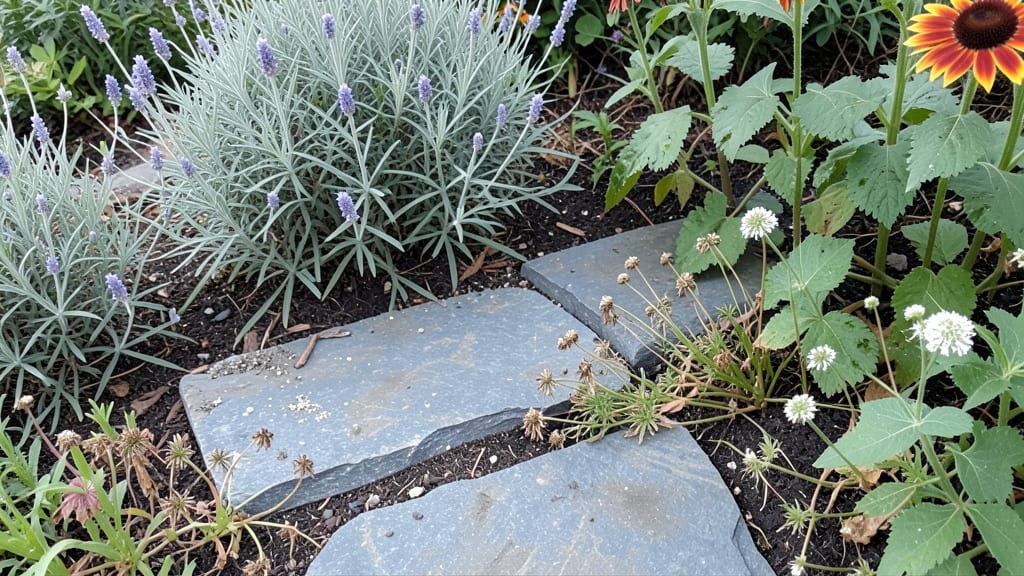
Stepping stones in flower beds create a seamless blend of structure and beauty, turning ordinary pathways into a garden art piece that draws the eye.
Transforming your garden pathway with stepping stones isn’t just about function—it’s an art that blends aesthetics with practicality, guiding visitors through your floral masterpiece while protecting delicate plants.
Whether you’re aiming for a rustic charm or a sleek modern look, the right stones can elevate your garden’s design, making every step feel intentional and every corner inviting.
Discover 10 creative designs, material tips, and placement tricks to craft a pathway that enhances your flower beds without compromising their natural beauty.
How to choose stepping stones for flower beds: materials, sizes, and placement tips
Selecting the right stepping stones for your flower beds can transform a simple pathway into a stunning focal point. The key lies in balancing durability, aesthetics, and plant-friendly placement.
Whether you prefer the rustic charm of natural stone or the precision of concrete pavers, each material offers unique benefits for your garden’s flow and health.
Before making a choice, consider your flower bed’s size, the foot traffic it will endure, and how the stones will interact with your existing plants.
A well-placed stone can highlight your best blooms while protecting delicate stems from trampling. Let’s explore the best options to elevate your garden’s design and function.
| Material Type | Durability | Cost | Installation | Best For | Plant-Friendly? |
|---|---|---|---|---|---|
| Natural Stone (Slate, Bluestone, Sandstone) | High (weather-resistant) | $5–$15 per sq. ft. | Moderate (uneven surfaces) | Rustic gardens, high-traffic paths | Yes (natural drainage) |
| Concrete Pavers (Stamped or Smooth) | Very High (customizable) | $3–$10 per sq. ft. | Easy (precise cuts) | Modern gardens, DIY projects | Yes (if spaced properly) |
| Recycled Materials (Brick, Glass, Rubber) | Moderate (depends on material) | $4–$12 per sq. ft. | Easy (pre-cut options) | Eco-friendly designs | Yes (if permeable) |
| Flagstone (Flat, Irregular Shapes) | High (long-lasting) | $6–$18 per sq. ft. | Moderate (irregular fit) | Natural landscapes, curved paths | Yes (organic look) |
When choosing stepping stone sizes, aim for a width that matches your flower bed’s width. For narrow beds, 12–18-inch stones work well, while wider paths can accommodate 24-inch squares. The thickness matters too—1.5–2 inches is ideal for stability without overwhelming small plants. Always leave a 2–3 inch gap between stones to allow water drainage and prevent soil compaction.
For placement tips, start by mapping your garden’s natural flow. Place stones along the most walked paths, but avoid overcrowding low-growing perennials like heuchera or ajuga.
Instead, position them near taller plants like daylilies or black-eyed Susans, where they won’t smother roots. Use a string line to ensure even spacing and a polished look.
Color coordination is another game-changer. Neutral tones like gray slate or beige sandstone blend seamlessly with most flower beds, while bold hues like red bluestone can complement vibrant blooms. For a cohesive design, match the stone’s color to your garden’s dominant foliage or container colors.
Pro tip: Test a few stones in different areas before committing to a full installation.
Don’t overlook the texture of your stones. Smooth surfaces like polished concrete offer a sleek, modern vibe, while rough flagstone adds organic charm. Textured stones also provide better traction in wet areas, reducing slip hazards.
If your garden has shady spots, opt for lighter-colored stones to reflect sunlight and keep the path bright.
Installation starts with prep: clear weeds, level the ground, and lay a 2-inch sand base for drainage. For extra stability, add a layer of landscape fabric to prevent weeds from creeping between stones.
As you place each stone, tap it gently with a rubber mallet to ensure it’s flush with the surrounding soil. This step is crucial for avoiding trip hazards and maintaining a clean, professional finish.
Finally, think about maintenance. Natural stones may need occasional moss removal in shady areas, while concrete pavers can be power-washed to remove dirt. To keep your pathway looking fresh, sweep away debris regularly and reapply polyurethane sealer to concrete stones every few years.
With the right stones and placement, your flower bed pathway will stay beautiful—and functional—for years to come.
Ready to elevate your garden? Start small with a single pathway or go bold with a full stone border. The key is to let your stones enhance the natural beauty of your flower beds, not compete with it. Happy gardening! 🪨
10 Creative stepping stone design ideas for flower bed pathways
Stepping stones aren’t just functional—they’re the silent stars of garden pathways, transforming muddy trails into artistic statements. Whether you prefer rustic charm or modern minimalism, the right design can elevate your flower bed aesthetics while keeping plants protected.
Let’s explore how to blend creativity with practicality for pathways that feel like an extension of your garden’s soul.
From sinuous curves that mimic natural streams to geometric grids that scream contemporary, your stepping stone layout should reflect your garden’s personality. The key? Harmony with surrounding flora—stones should guide, not compete. Think of them as visual anchors that highlight your favorite blooms while keeping foot traffic contained.
-
🌿 Curved Organic Pathways
Mimic nature’s meandering streams with asymmetrical stone placements. Use irregularly shaped stones like slate or flagstone for a whimsical, organic feel. Pair with hostas and ferns for a woodland retreat.
-
☀️ Sunburst Geometric Grid
Create a radiating pattern from a central point, like sunbeams spreading outward. Use uniform square stones in contrasting colors (e.g., gray and terracotta) to highlight a sun-loving garden with lavender and rosemary.
-
🪨 Rustic Flagstone Steps
Lay large, flat flagstones in a staggered herringbone pattern for a timeless cottage garden vibe. Add moss between stones and surround with peony bushes and delphiniums for old-world charm.
-
🌹 Modern Concrete Slabs
Opt for sleek, minimalist concrete in monochromatic tones (e.g., matte black or white). Frame with succulents and ornamental grasses for a low-maintenance, contemporary look that thrives in urban gardens.
-
🌿 Stepping Stone "Islands"
Place small clusters of stones like mini islands in a sea of mulch. Perfect for small gardens, this design lets you weave between plants without trampling them. Try impatiens and coleus for vibrant color.
-
✂️ Chequered Boardwalk
Alternate two stone types (e.g., bluestone and sandstone) in a checkerboard for a playful, classic look. Ideal for formal gardens, pair with boxwood hedges and hydrangeas for structure.
-
🌳 Tree-Circle Pathway
Arrange stones in a circular pattern around a young tree or shrub, creating a protected micro-pathway. Use rounded river rocks to soften the look, and plant wildflowers at the edges for a naturalistic touch.
-
🪴 Mosaic Stone Trail
Mix colors and textures—think polished marble, rough granite, and glass pebbles—for a bohemian mosaic effect. Surround with tropical plants like bird of paradise and hibiscus for a vibrant, eclectic garden.
-
🌻 Spiral Garden Path
Wind stones in a spiral toward a focal point, like a garden bench or fountain. Use stepping stones in graduated sizes to create visual movement. Plant black-eyed Susans and coneflowers along the edges for a dynamic display.
-
🌿 Stepping Stone "Bridges"
Place stones in a straight line across a narrow bed to create a mini bridge over a ground cover like creeping thyme or ajuga. This adds height and drama while keeping pathways elevated and plant-friendly.
Don’t forget to consider stone spacing—aim for 12-18 inches apart to prevent weeds while allowing root growth beneath. For a luxurious finish, add sand or gravel between stones to create a clean, polished look that’s easy to maintain.
Let your flower bed’s colors guide your stone choices: cool tones for shady gardens, warm hues for sunny spots.
Experiment with lighting too! Solar-powered pathway lights embedded near stones add magical evening ambiance, making your garden feel like a hidden retreat at any time of day. Start small—even a single creative path can transform your garden’s flow and beauty.