
Advice
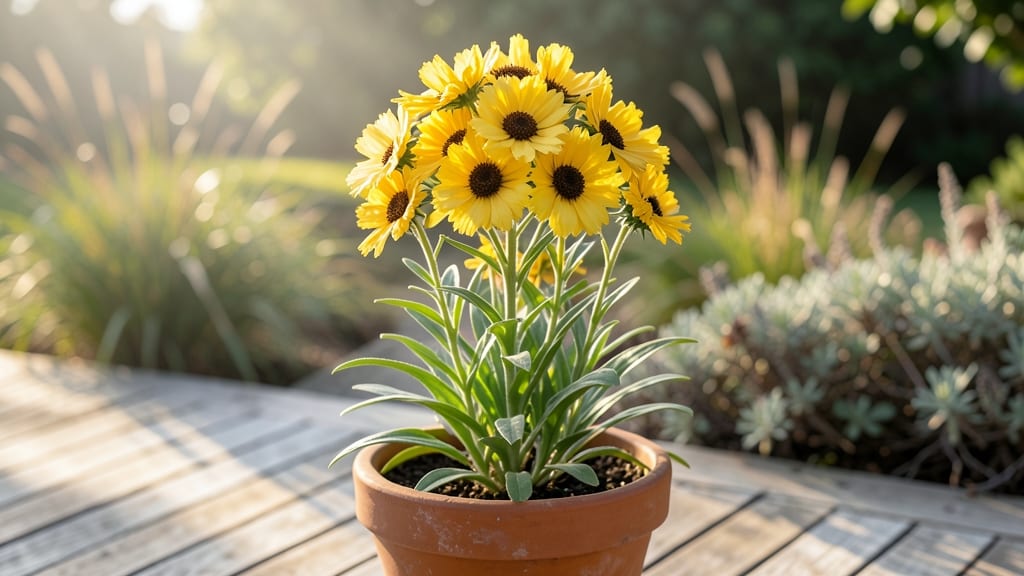
Strawflowers reach maturity in 60 to 120 days from seed, depending on the variety and growing conditions — a range that can make planning your garden feel like a guessing game.
Picture this: you’ve spent weeks nurturing your 🌼 strawflower seedlings, only to wonder why some varieties bloom in 90 days while others take twice as long. The answer lies in the type you choose and how you care for them.
Whether you’re growing classic ‘Moonwalk’ or vibrant ‘Ruby Red,’ knowing the exact days to maturity helps you time harvests for long-lasting cut flowers or vibrant garden displays. Too early, and you miss the peak; too late, and the season slips away.
Here’s how to adjust planting, care, and even climate tricks to hit that ideal bloom window every time — no more wasted effort or missed deadlines.
Strawflower days to maturity by variety: exact growing timeline guide
Strawflowers (Xerochrysum bracteatum) are prized for their long vase life and drought tolerance, but their days to maturity vary significantly by variety. Understanding these timelines helps you plan for cut flowers or garden displays.
Most varieties reach maturity in 60–120 days, but cooler climates can extend this by 2–4 weeks.
For warm regions (USDA Zones 8–10), strawflowers often bloom faster due to longer daylight and heat. In cooler zones (3–7), start seeds indoors 6–8 weeks earlier to compensate. Below, I’ve broken down 10 popular varieties with precise timelines and climate adjustments.
| Variety | Days to Maturity (Warm Zones) | Days to Maturity (Cool Zones) | Height (ft) | Color | Climate Notes |
|---|---|---|---|---|---|
| Limelight | 60–70 | 75–90 | 2–3 | Lime Green | Fastest bloomer; ideal for cut flowers |
| Ruby Red | 70–80 | 85–100 | 1.5–2.5 | Deep Red | Heat-loving; extend season in warm zones |
| Moonwalk | 75–85 | 90–110 | 2–3 | White | Tolerates partial shade; slower in cool zones |
| Pink Beauty | 65–75 | 80–95 | 1.5–2 | Soft Pink | Compact; great for containers |
| Golden Delight | 70–80 | 85–100 | 2–3 | Golden Yellow | Drought-resistant; thrives in heat |
| Midnight | 80–90 | 95–110 | 2–2.5 | Deep Purple | Slowest to mature; needs consistent warmth |
| Sunny Side | 60–70 | 75–85 | 1.5–2 | Orange | Early bloomer; perfect
How to adjust strawflower harvest timing for seasonal planting successStrawflowers thrive on flexibility—whether you're aiming for early summer blooms or fall harvests, adjusting their days to maturity is all about timing. In USDA zones 3-6, frost can cut blooming short, while zones 7-10 often face heat stress if planted too early. The key? Strategic planting schedules that align with your local climate and desired bloom windows. For extended seasonal displays, I recommend succession planting every 3-4 weeks during your growing season. This ensures a continuous harvest from early summer through fall, even if individual plants have 60-120 days to maturity. Start with your fastest-maturing varieties (like 'Limelight' at 60 days) and follow with longer-blooming types (like 'Moonwalk' at 90 days). 🌱 Strawflower Days to Maturity by Strategy
In cooler climates (zones 3-6), I’ve found that frost protection is non-negotiable. Use lightweight row covers or cold frames to shield plants from early fall frosts, which can delay maturity by 10-14 days. For extended fall color, try planting 90-day varieties in late July—they’ll bloom just before frost hits. For earlier harvests, manipulate daylight with grow lights. Strawflowers respond well to 14+ hours of light daily, which can shave 10-15 days off 90-day varieties. Place lights 12-18 inches above plants and use full-spectrum bulbs to mimic summer conditions. This trick works especially well in USDA zones 4-6 where daylight shortens quickly in late summer. Don’t overlook soil temperature—strawflower seeds need 60°F+ soil to germinate. In northern zones (3-5), wait until mid-May to direct-sow, even if air temps are warm. Use a soil thermometer to confirm readiness. For container growing, pre-warm soil with black plastic mulch to speed up germination by 5-7 days. Pro tip: Deadhead spent blooms to encourage reblooming in longer-day varieties. This extends your harvest window by 3-4 weeks and keeps plants producing cut-quality flowers well into fall. Pair this with regular watering (1 inch/week) to maintain vigor, especially in drought-prone zones 7-10. 🌼 |